


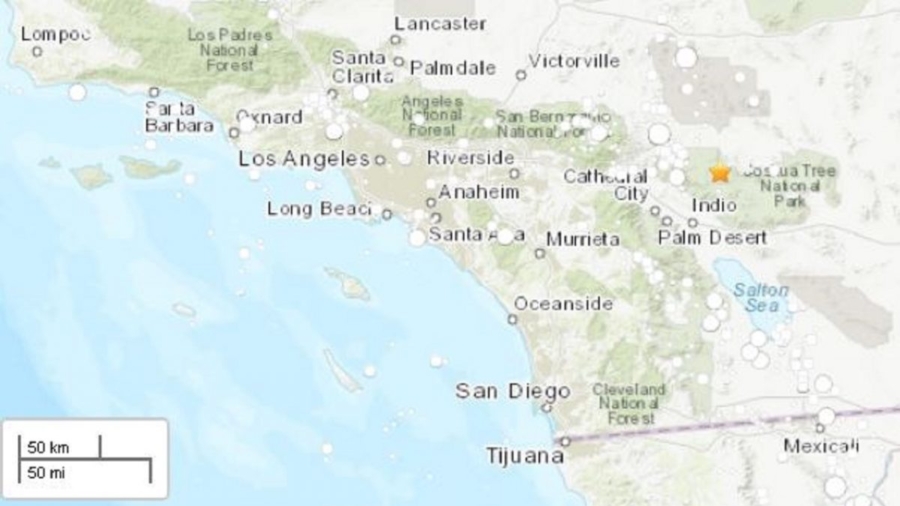
A 4.2 magnitude earthquake struck Southern California on July 22, rattling the Twentynine Palms area.
The quake struck more than two weeks after a pair of strong earthquakes hit in the Mojave Desert, inflicting damage to buildings and roads.
The quake was initially recorded as a 4.4 magnitude temblor but was later downgraded. It was at a depth of about 5 miles.
Twentynine Palms sits about 180 miles southeast of Ridgecrest. On July 4, a 6.4 magnitude quake struck in that area; the next day, a 7.1 temblor shook the region.
There have been thousands of aftershocks since July 4 and concerns that another powerful quake could strike.
Seven smaller quakes struck in the Ridgecrest area on Sunday into Monday, the largest a 3.0 magnitude. The 4.2 magnitude in the Twentynine Palms area was much further south than those quakes.
That quake also hit about 18 miles east-southeast of Joshua Tree, 21 miles north-northeast of Indio, and 30 miles east-northeast of Palm Springs.
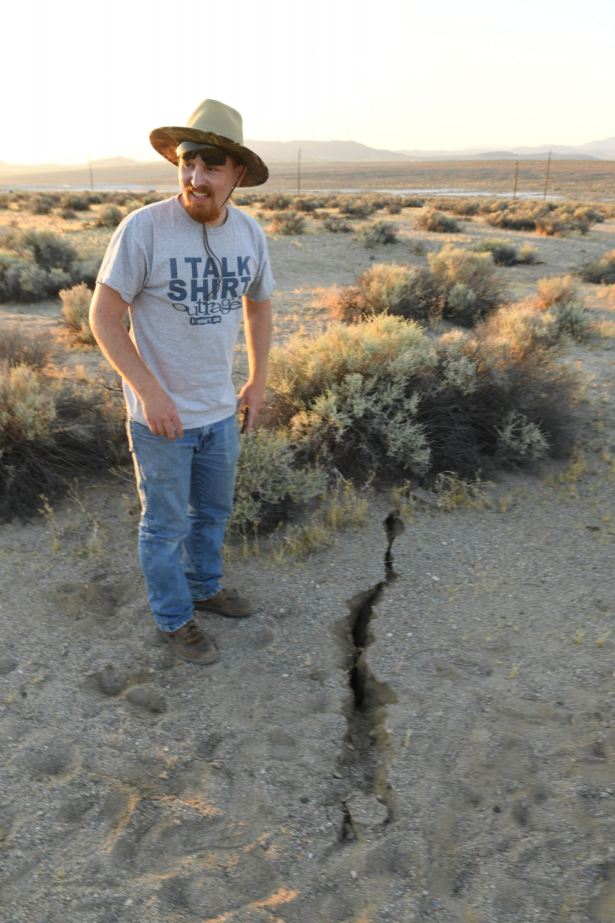
Earthquake Aftershocks Getting Closer to Big Faults
Aftershocks from the powerful 7.1 magnitude earthquake near Ridgecrest, California, which is southeast of Sequoia National Forest, have been edging closer to the second-biggest fault in the state, experts warned.“At least one section of the fault has shown movement by creep in recent years,” the center noted. There is little doubt “that the Garlock fault zone will rupture again in the future.”
The former has not had a major quake in about 465 years.
“Those are places we would be more concerned,” U.S. Geological Survey research geophysicist Morgan Page told the Times. “Little earthquakes are telling us where big earthquakes are more likely.”
“Every earthquake actually increases the probability of more earthquakes,” she added to the Times about the raft of aftershocks. “It’s based on the idea on how a contagion spreads to a population. Earthquakes are like that … in general, if there are a lot of earthquakes going on, it’s more probable for a large earthquake to go on.”
Another expert agreed.
“We always worry when seismicity picks up very close to a major fault or if it’s at the end of a major fault—whether it’ll push it enough to start a major rupture,” added Caltech seismologist Egill Hauksson.
The 6.4 quake triggered on the Greenville Fault, according to the survey, while the 7.1 quake occurred in the Little Lake fault zone.