


Countries with water shortages face more challenges in responding to COVID-19 pandemic, as people don't have enough water to wash their hands at regular intervals to reduce the risk of infection and health care systems don't have the required supply to care for patients.
Mamata Dash, an expert who has worked on the water crisis in several countries in Asia, Africa, Latin America, and the Pacific, told The Epoch Times that every nation has a vulnerable population when it comes to the water supply.
"High-density population or not, those living in the margins and vulnerable across geographies face tremendous challenges to keep them afloat in a situation like this," Dash wrote in an email.
Dash gives the example of Nairobi—the city is a popular destination for tourists and non-tourists and many people from central and east Africa throng its hospitals for treatment. But the city has a limited supply of water, and on a normal day, is unpredictable.
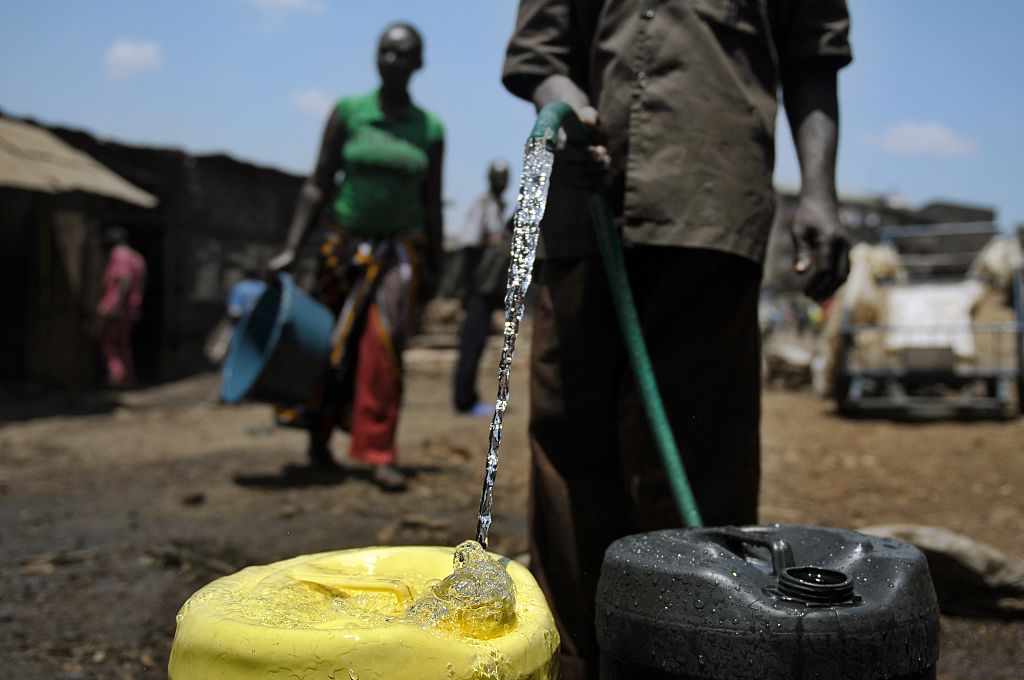
"As a normal practice, people (resourced) store water to wade through no-water supply time. In a pandemic like this with more need of water for handwashing, it is not known how the city will be able to manage the additional water requirement," said Dash.
The capital of Kenya is currently under partial lockdown from 9 p.m. to 7 a.m. and Dash said it will go into a complete lockdown as the number of cases of infection surge.
"People in many parts of Africa face water scarcity in normal times and very often, people have to shell out money to ensure the most minimum amount of water that would sustain them for a day," she said.
Harsher Realities of Poverty and Migration
Amnesty International has raised concerns about the lack of protective measures, particularly food and water to people under lockdown in various parts of South Asia and the Middle East.They said there's a substantial population of displaced people in war-torn Afghanistan that live in scattered camps in difficult-to-access areas who are forced to travel long distances to search for food and water.
In communities under lockdown facing water scarcity, people have already started innovating.
In New Delhi, India, which is under complete lockdown until April 14, a group of youngsters regularly face water scarcity in the slum dwelling of Lal Gumbad with a population of 5,000. After the lockdown, they barricaded their colony and created two exits and at each exit set up a handwashing station, making it mandatory for anyone leaving or entering the colony to wash their hands, even when there's no regular water supply in each home.
"We used a normal water dispenser used at homes at each point. We contributed 20-50 rupees (26-65 cents) and collected 2,000 rupees ($26) and used that to buy soaps, glycerin, and antiseptic," Sanjay Pradhan, 31, the leader of the group told The Epoch Times over the phone. "We are poor. We don't have any other way to protect ourselves."
With businesses shutting down and no respite visible, these people got stranded in cities and many started to walk extremely long distances back home without food or water. Dash describes it as the "longest walk home with no food, water."
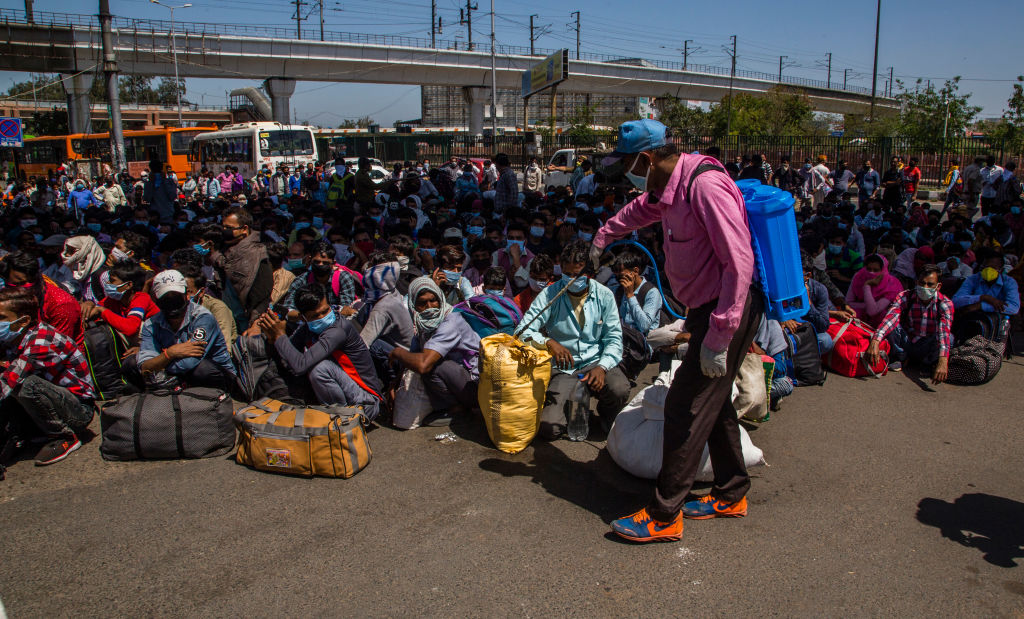
Sunil Kumar Aledia, who has been working with the homeless population of Delhi for two decades, is supporting poor people stranded on the roads due to the lockdown in the capital through his organization, the Centre for Holistic Development. He told The Epoch Times that he saw individual volunteers and charity organizations distributing small water packets to stranded people only once during almost ten days of his work on the streets.
"Water for handwashing is a privilege. Sanitizer is even beyond that," said Aledia over the phone, highlighting that when crowds have lost jobs and are in a hurry to get back to villages, even social distancing is very difficult.
Dash said similar reports are coming out from other parts of the world.
"Countries where migrant laborers are left high and dry with complete or partial shut-downs—water remains a critical resource at present for these people as it is for everyone else. With the global water crisis and the ever more demand for availability of water to ensure hand hygiene, situations like this do not particularly provide a hopeful picture," she said.
Amnesty International has raised similar concerns over the migrant workers in labor camps in the Middle East. Responding to reports about stranded workers in Qatar’s Industrial Area in Doha amid the lockdown due to the CCP virus pandemic, Amnesty International urged the Qatar government to make sure the workers have access to health care and preventive care.