


Researchers at the Centers for Disease Control and Prevention (CDC) have found a widely-used herbicide chemical that has been linked to cancer in the majority of urine samples collected from children and adults in the United States.
NHANES, which began in the early 1960s, is a program of studies that are designed to assess the health and nutritional status of adults and children across the country.
The survey found glyphosate in 1,885 of 2,310 urine samples collected from people aged 6 years and older in 2013 and 2014. Nearly a third of the samples came from kids, ranging in age from 6 to 18.
Food is the main route of exposure to glyphosate for children aged 18 and under, according to CDC researchers. Given that the herbicide is used as a pre-harvest drying agent, or crop desiccant—a chemical applied to crops to dry them out more quickly before harvest—the pesticide is highly likely to make its way into foods.
'Unlikely to Be a Human Carcinogen'
According to the EPA, the agency, "continues to find that there are no risks of concern to human health when glyphosate is used in accordance with its current label.""EPA also found that glyphosate is unlikely to be a human carcinogen."
However, there continues to be intense debate about whether or not glyphosate is indeed carcinogenic.
"Glyphosate is the most widely used herbicide in the country, yet until now we had very little data on exposure," said Alexis Temkin, EWG toxicologist. "Children in the U.S. are regularly exposed to this cancer-causing weedkiller through the food they eat virtually every day."
Lawsuits Pile Up
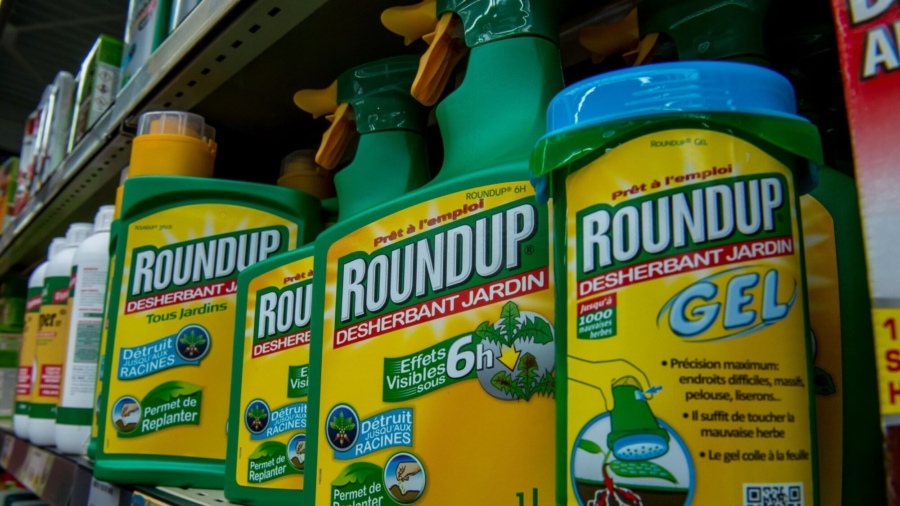
Glyphosate was first used in the Roundup herbicide developed by Monsanto in 1974 and marketed until 2018, when the German company Bayer A.G. bought Monsanto for $63 billion.Among the cancer claims, non-Hodgkin lymphoma, the same form of cancer highlighted in the 2019 U.S. Agency for Toxic Substances and Disease Registry analysis, is prevalent.
Plaintiffs argue that the company failed to adequately warn the public about health risks associated with glyphosate and Roundup.
Last month, the U.S. Supreme Court denied Bayer A.G.’s appeal to review a million-dollar lawsuit filed by a Californian man who is suing the company, alleging that over 20 years of Roundup use has caused him to develop cancer.
The move paves the way for thousands more lawsuits against the company to ensue.