


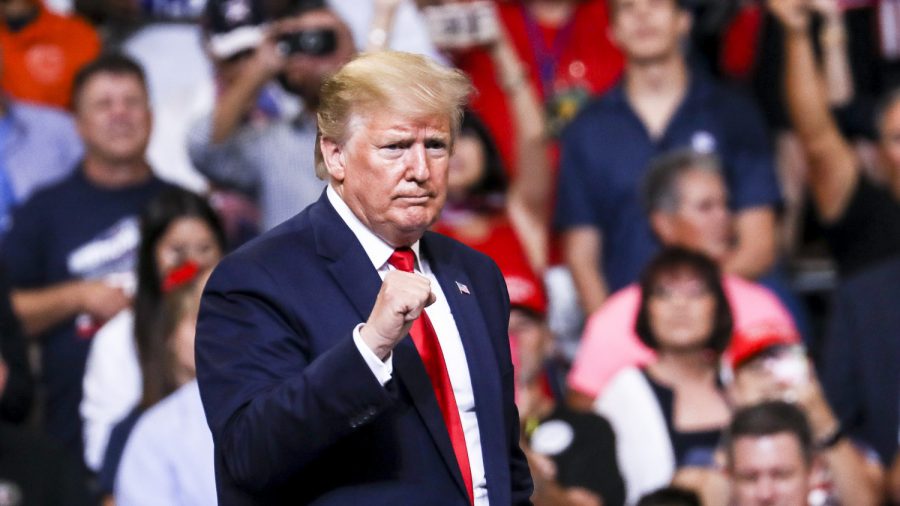
A former judge said that if President Donald Trump issues an executive order to put the citizenship question on the 2020 Census, the Supreme Court would recognize his authority.
The website reported on July 4 that Trump was mulling issuing an executive order, citing anonymous sources.
"The administration is considering the appropriateness of an executive order that would address the constitutional need for the citizenship question to be included in the 2020 census," one source, described as "a senior legal source," reportedly said.
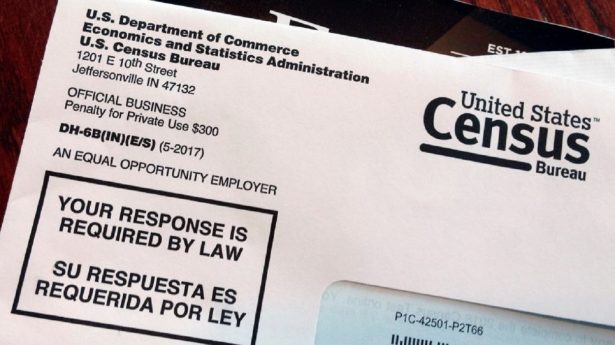
“We think there may be a legally available path under the Supreme Court’s decision,” said Joseph Hunt, assistant attorney general for the department’s Civil Division, in a teleconference. “We’re examining that, looking at near-term options to see whether that’s viable and possible.”
Department of Justice representatives had told reporters and plaintiffs earlier Wednesday that census forms were being printed without the question, but Trump said several hours later that the reports based on interviews with the representatives were not true.
“We are absolutely moving forward, as we must, because of the importance of the answer to this question,” Trump said, adding that he told the Departments of Commerce and Justice “to do whatever is necessary” to get the question on the census.
He said on July 4 that government workers at both departments were working on the issue."So important for our Country that the very simple and basic 'Are you a Citizen of the United States?' question be allowed to be asked in the 2020 Census. Department of Commerce and the Department of Justice are working very hard on this, even on the 4th of July!" he wrote.
The administration had argued that the question about a person’s citizenship is needed to better enforce a voting rights law, the Voting Rights Act of 1965 (VRA). A group of states including New York, along with immigrant rights organizations, sued to try to prevent the question from being added to the census.
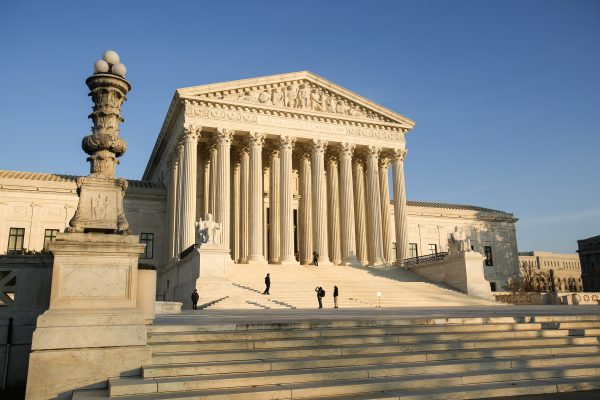
The ruling left open the possibility of the question being added.
Writing the dissenting opinion, Justice Clarence Thomas said that the Supreme Court’s “only role in this case is to decide whether the Secretary complied with the law and gave a reasoned explanation for his decision.”