


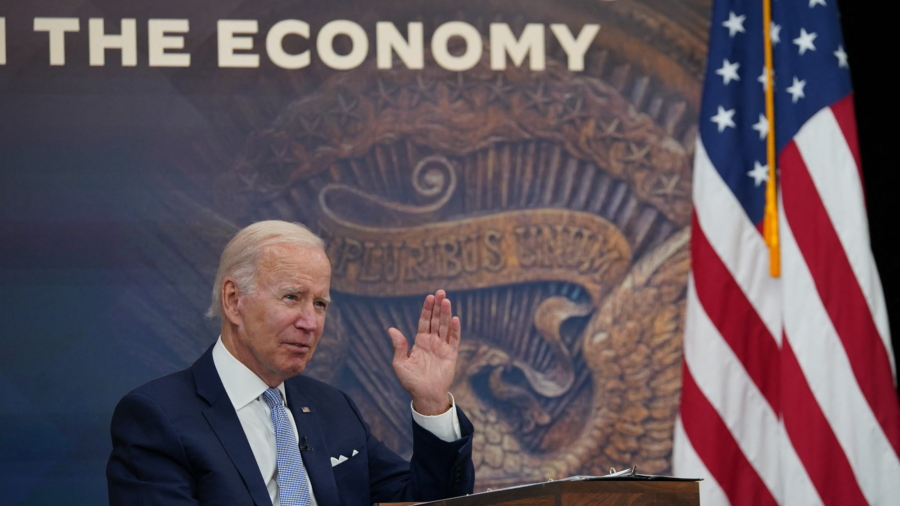
The U.S. House of Representatives passed the CHIPS and Science Act on July 28, allocating funding for a bill now nearly two years old. The new legislation, which is now headed to President Joe Biden's desk for signing, will allocate $250 billion in subsidies, tax breaks, and research grants to prop up the domestic semiconductor industry.
"The CHIPS and Science Act is exactly what we need to be doing to grow our economy right now. By making more semiconductors in the United States, this bill will increase domestic manufacturing and lower costs for families."
Many proponents of the bill were pleased to see its passage and believe that it will be a boon to American manufacturing.
To that end, Biden said that the bill would improve jobs and national security by making the United States less dependent on foreign supply chains.
Because of the removal of that provision, tech companies in the United States will be able to research new semiconductor technologies using billions of dollars in taxpayer monies, and then outsource the production of those new technologies to China.
The move drew unusual alliances of opposition across Democrats, Independents, and Republicans. Perhaps most notably from Rep. Thomas Massie (R-Ky.) and Sen. Bernie Sanders (I-Vt.), who lambasted the bill as corporate welfare that would grow already-thriving tech companies and taxpayer expense.
Semiconductors, which are used in the production of everything from personal computers to hypersonic missiles, have become a key point of anxiety over the past two years as a global supply chain crisis has wreaked havoc on the United States’ ability to obtain the chips.
The new CHIPS [Creating Helpful Incentives to Produce Semiconductors for America] and Science Act, will provide hundreds of billions of dollars in subsidies and tax breaks to technology corporations in an effort to spur new market growth, as well as funding for government-backed tech research.
Proponents of the legislation have long said that it’s necessary in order to maintain a competitive edge with China, which is pouring money into its own domestic chip production.
The bill is expected to be signed into law on July 29, just before Congress goes on its annual August recess.