


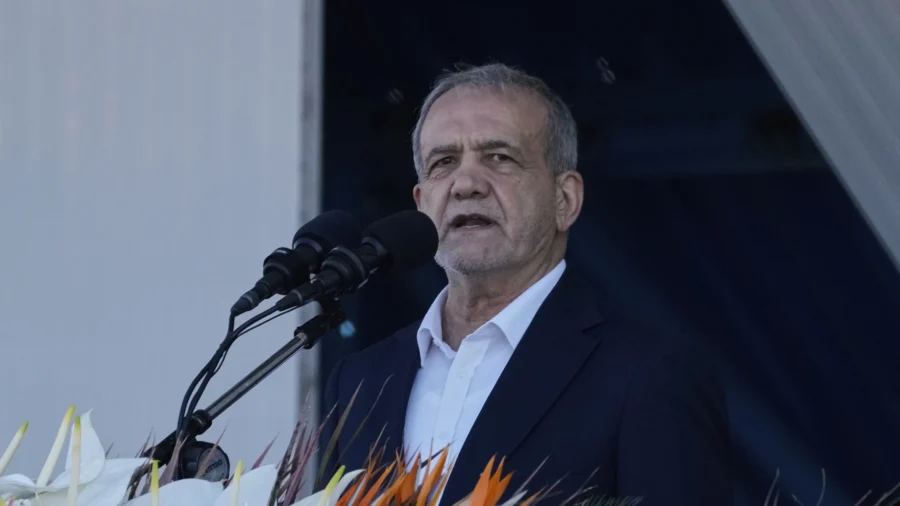
Iranian President Masoud Pezeshkian on Wednesday released an open letter saying confrontation is "costly and futile" as the month-long war between Iran and the United States continues.
“Today, the world stands at crossroads. Continuing along the path of confrontation is more costly and futile than ever before. The choice between confrontation and engagement is both real and consequential; its outcome will shape the future for generations to come," Pezeshkian said in a letter he posted in English on his X account.
In the letter, he did not make reference to President Donald Trump's message on Wednesday morning that Iran's president had said he wanted a cease-fire to end the war.
Starting last week, the Trump administration has said U.S. officials are in talks with members of the Iranian regime, including Pezeshkian and Iran's parliamentary speaker, Mohammad-Bagher Ghalibaf. Meanwhile, Iranian Foreign Ministry officials have denied that direct negotiations are occurring.
Also in his letter, Pezeshkian questioned whether the conflict serves the interests of Americans and alleged that the U.S. military has acted as a proxy on behalf of Israel.
“Exactly which of the American people’s interests are truly being served by this war? Was there any objective threat from Iran to justify such behavior?” he asked.
Before the conflict started on Feb. 28, Washington and Tehran were involved in negotiations over Iran's nuclear program. U.S. and Israeli officials have long believed Iran was attempting to enrich uranium to weapons-grade potential to produce nuclear missiles that would threaten other countries, which Iran has denied.
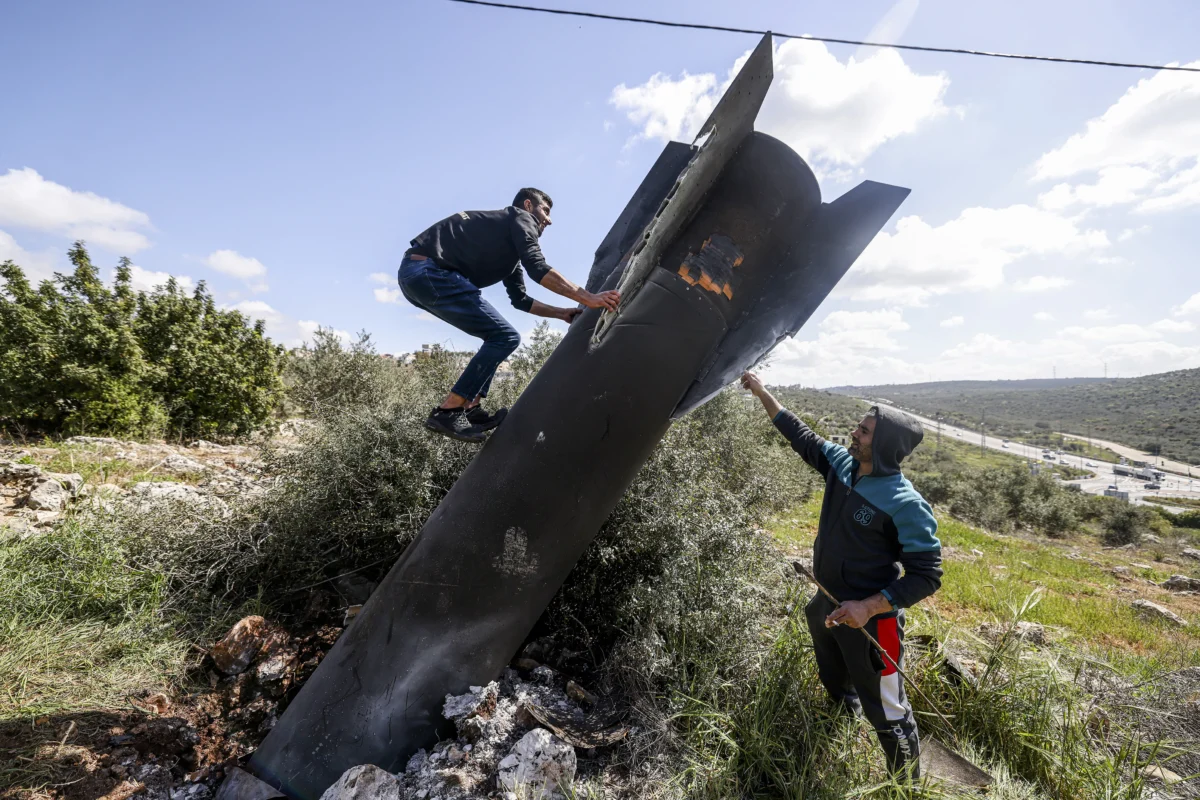
In response to the U.S.-Israeli strikes, Iran has launched numerous missiles and drones at neighboring countries such as Saudi Arabia, Qatar, Kuwait, Israel, the United Arab Emirates, Turkey, and others, while saying it is attacking U.S. or Israeli assets in the region.
Iranian forces have also blocked commercial shipping traffic in the crucial Strait of Hormuz that carries roughly 20 percent of the world's oil, sending energy prices significantly higher.
This week, the governments of Qatar and the United Arab Emirates said that alleged Iranian projectiles struck civilian ships, including one operated by Qatar's state-owned QatarEnergy, on Wednesday. On Monday, a fire on board a fully loaded Kuwaiti crude oil tanker hit by Iran at Dubai Port's anchorage had to be extinguished. Dubai authorities said the strike damaged the vessel's hull and raised concerns about a possible oil spill.
At 9 p.m. ET on Wednesday, Trump is expected to address the nation about the status of the U.S. military operation against the Iranian regime.