

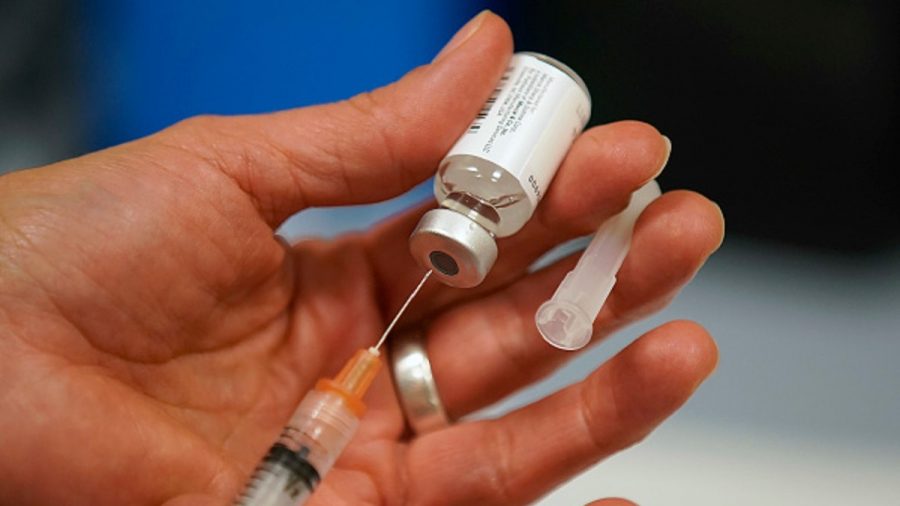
Panic about measles has swept the state of California after an infectious individual visited Disneyland in Anaheim.
L.A. Public Health sounded alarm bells after news broke of the infectious person visiting Disneyland.
The L.A. Department of Public Health immediately announced the incident on Twitter. No contagion has been reported so far.
- Review your immunization and medical records to determine if you have been vaccinated. People who have not been infected previously or received the measles vaccine may be at risk of contracting the virus and should talk with a health care provider about receiving measles, mumps and rubella (MMR) immunization.
- Contact and notify your health care provider as soon as possible about a potential exposure if you are pregnant, are an infant, or have a weakened immune system and/or are unvaccinated.
- Monitor yourself for illness with fever and/or an unexplained rash from 7 days to 21 days after their exposure (the time period when symptoms may develop); if symptoms develop, stay at home and call a healthcare provider immediately.
"For those who are not protected, measles is a highly contagious and potentially severe disease that initially causes fever, cough, red, watery eyes, and, finally, a rash," Los Angeles County Health Officer Muntu Davis said.
Effectiveness of Vaccines for Measles
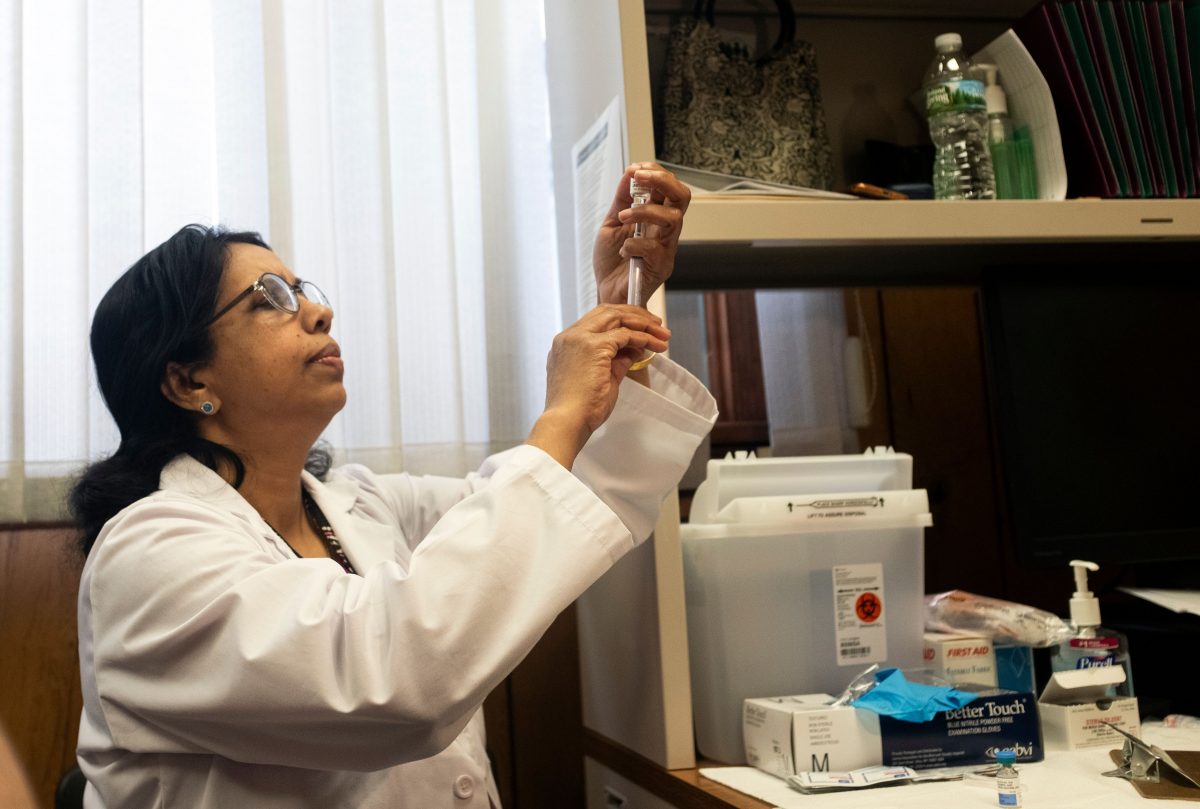
The scientific literature has been documented that outbreaks do happen in highly vaccinated populations around the world.
In 2003, an outbreak in a boarding school in Pennsylvania also caused nine cases, with six of the people affected having received two doses of the measles vaccine.
The editorial also noted that multiple studies show that even two doses of measles vaccine do not appear to confer immunity in 2 to 10 percent of people—a phenomenon called primary failure. Secondary failure refers to the waning of immunity over time.