


The days are longer, full of sunshine, and bright with the promise of enjoying a more relaxing spring and summer with your loved ones. But if you want to enjoy your daytime, it's time to increase your sleep during the nighttime.
More than a third of American adults are not getting enough sleep on a regular basis, the U.S. Centers for Disease Control and Prevention says, calling sleep deprivation a "public health epidemic."
It's a global problem too, according to the World Sleep Society, a nonprofit organization of sleep professionals dedicated to advancing "sleep health worldwide."
"Sleep problems constitute a global epidemic that threatens health and quality of life for up to 45 percent of the world's population," the society says.
You don't have to go through life sleep-deprived. Just as you learned to frequently wash your hands and wear a mask as part of your pandemic personal hygiene, you can learn to sleep better each night with what experts call "sleep hygiene."
That's sleep specialist lingo for the ways you can train your brain to recognize it's time to fall asleep—and then stay asleep.
Sleep is one of the three key ingredients to a healthier, longer life (the others are diet and exercise). Many of the ways to increase the quality of your sleep are easy to do.
1. Create a Sleep Nest
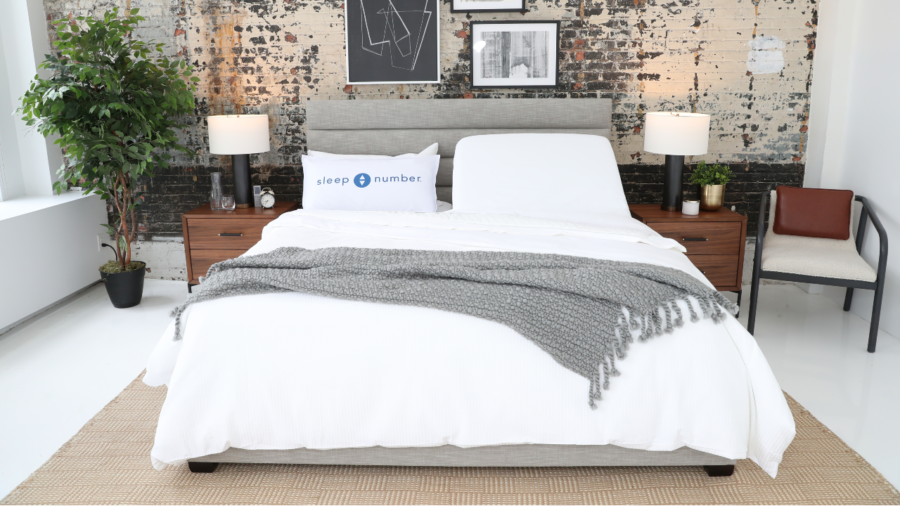
One of the first tasks is to set up your sleep environment. The REM or dreaming stage of sleep is a lighter level of rest that can more easily be disrupted, so strive to have a comfortable mattress and bedding that's not too hot.2. Develop a Routine
Set up a bedtime ritual by taking a warm bath or shower, reading a book, or listening to soothing music. Or you can try deep breathing, yoga, meditation, or light stretches.You're teaching your brain to wind down.
3. Cut the Lights
Secretion of the sleep hormone melatonin begins in the dark. Research has found that the body will slow or stop melatonin production if exposed to light, so get rid of any light, even the blue light from your charging smartphone or laptop. If your room isn't dark enough, consider using light-blocking shades or eye masks.What if you like to read yourself to sleep? That's fine, experts say. Just read in the dim light from a real book, not a tablet or an e-reader.
That's because "any LED spectrum light source may further suppress melatonin levels," said Dr. Vsevolod Polotsky, who directs sleep research in the division of pulmonary and critical care medicine at Johns Hopkins University School of Medicine, in a former CNN interview.
4. Dampen Sound
While you're dealing with the blue light from your smartphone, go ahead and turn off any work alerts (no Slack or email pings at 2 a.m.).Better still, just charge it outside your bedroom.
5. Boycott Caffeine Later in the Day
Stop drinking caffeinated liquids at least six hours before your normal bedtime (some experts say nothing after 3 p.m.). And caffeine is in more than just coffee, so that applies to some teas and sodas, as well as chocolate.6. Skip the Booze
Don't turn to alcohol to calm your nerves or help you sleep. Alcohol may help you fall asleep, but it traps you in the lighter stages of sleep.7. Avoid Heavy or Spicy Foods
Heavy and spicy foods may give you heartburn or other digestive issues, thus affecting your ability to fall and stay asleep. As for sugar, studies show it's linked to restless, disturbed sleep and may possibly affect hormones that control cravings.8. Keep the Bedroom for Sleep
And last, but not least, reserve your bed for sleep.The Need for Sleep
Why go through all this trouble? Because sleep deprivation is dangerous for your health.Not getting enough sleep has been linked to a lack of libido, weight gain, high blood pressure, a weakened immune system, paranoia, mood swings, depression, and a higher risk of some cancers, dementia, diabetes, stroke, and cardiovascular disease.
But wait, there's more: Sleeping less than you need on a regular basis may double your risk of dying. In a longitudinal study of 10,308 British civil servants, researchers found that people who reduced their sleep from seven to five hours or fewer a night were almost twice as likely to die from all causes—but especially cardiovascular disease.
Remember, the amount of sleep you need each night depends on your age.
Babies need 12 to 16 hours, toddlers 11 to 14 hours, and preschoolers 10 to 13 hours of sleep each day, including naps, according to the CDC. School-age kids need 9 to 12 hours of shut-eye each night, and teens still need 8 to 10 hours—which, because of social media, few get.
Adults need to sleep at least seven hours a night—another goal many fail to reach. But with these sleep hygiene tips, you can teach your brain a few new tricks to gain the quality sleep you crave.
Whatever you do, don't stay sleep-deprived: If you try these tips and can't seem to relax, or your sleep continues to worsen, be sure to reach out to your doctor or mental health professional.