


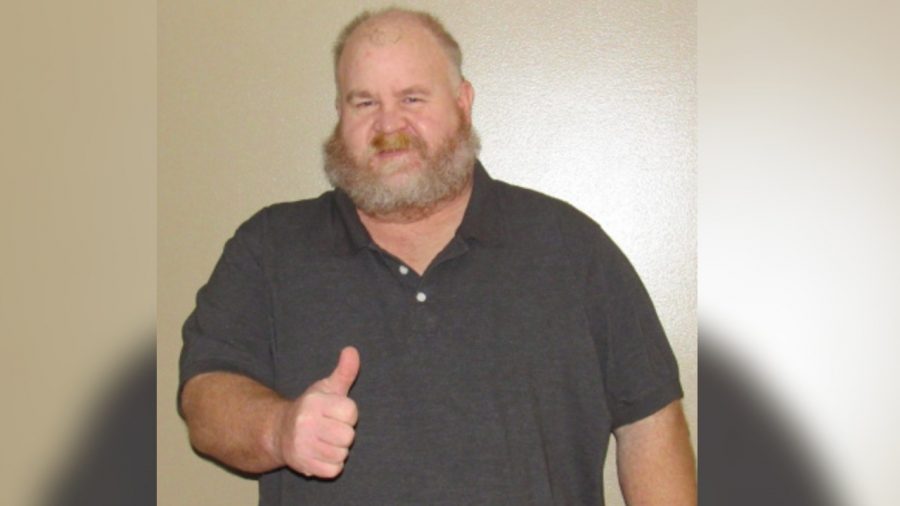
RED BOILING SPRINGS, Tenn.—A mayor in Tennessee who is up for re-election has been arrested after allegedly attempting to get a pill press used to make illegal drugs.
The Macon County Sheriff’s Office on April 25 arrested Red Boiling Springs Mayor Joel Coe two days before he was set to compete against two opponents for the mayor's seat on Saturday.
The 51-year-old Coe faces multiple charges, including criminal conspiracy and tampering with evidence.
According to the arrest affidavit, Coe was messaging a person about picking up a pill press—a machine that presses powder into tablets. The machine has been used for producing pills containing fentanyl and heroin, the affidavit said. Coe also sent messages about hiding the press in trash bags to bypass a police search.
The police were already waiting for Coe as he arrived at the arranged spot to pick up the pill press. They said Coe deleted the messages from his phone after they confronted him, although they were able to secure the trash bags he discussed in the text.
A voicemail message with Coe’s office wasn’t immediately returned.
Coe took the office as the mayor of Red Rolling Springs in July 2017. He had previously served on the City Council, the planning commission, and as the vice mayor.
Although it's not illegal for individuals to own a pill press, Drug Enforcement Administration requires one to file a report for every purchase or sale of the machine. The presence of a pill press is often linked to manufacturing and/or distribution of controlled substances.
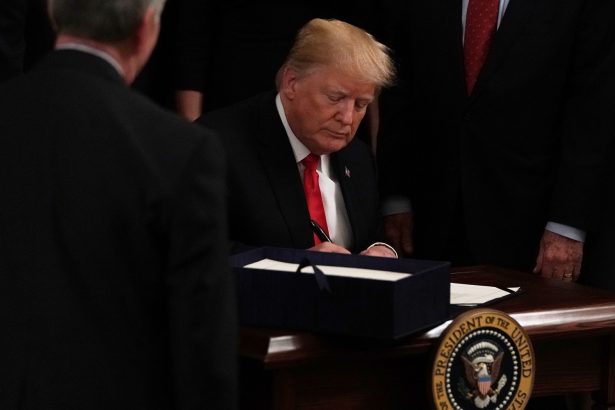
Since taking office, President Donald Trump has launched a number of initiatives to address opioid addiction in the United States, including signing an opioid bill in October 2018, which includes plans to bring in $6 billion in funding over two years, and most recently, a faith-based initiative.
In the most recent opioid bust, Tennessee officials charged over 30 medical professionals for illegally prescribing millions of painkillers.
A total of 60 people, including 53 medical professionals who wrote 350,000 prescriptions and distributed as many as 32 million pills, were charged by federal prosecutors on Wednesday. They said most of those charged were from the five states targeted by the strike force: Alabama, Kentucky, Ohio, Tennessee, and West Virginia.
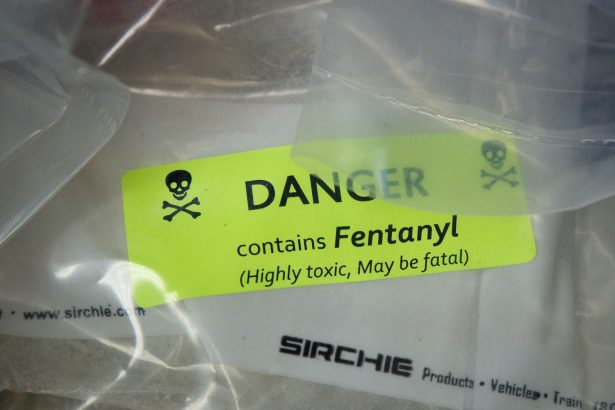
U.S. Attorney Don Cochran said that the opioid death numbers are not a good indicator of the problem. "A lot of people who go on to heroin and even more dangerous things like fentanyl start with prescription opioids," Cochran said during the press conference on April 22.
A recent report by the Centers for Disease Control and Prevention found that fentanyl deaths in the United States skyrocketed by over 1,000 percent over a period of six years. The largest rate increases were among younger adults aged 15 to 34.