


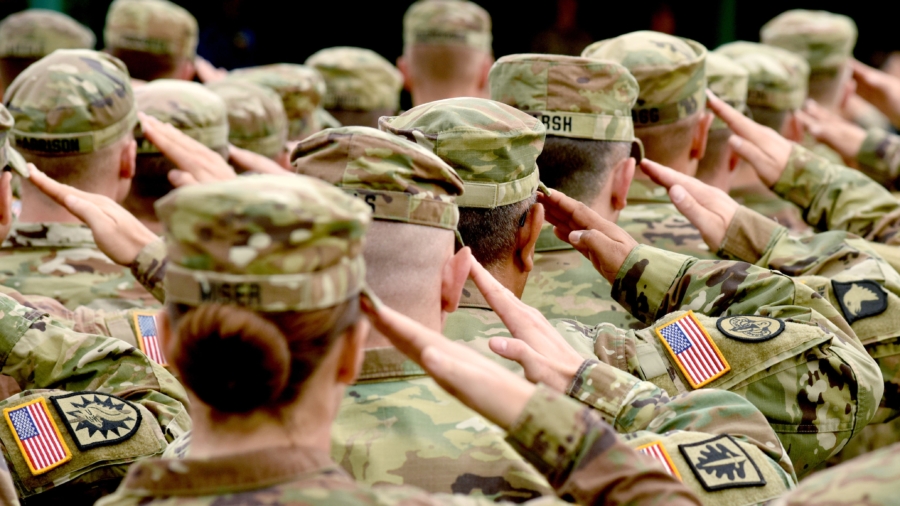
The Army failed to meet its recruitment goal, officials confirmed on Sept. 30, after the military refused to heed calls to roll back its COVID-19 vaccine mandate.
“In the Army’s most challenging recruiting year since the start of the all-volunteer force, we will only achieve 75% of our fiscal year 22 recruiting goal,” Army Secretary Christine Wormuth said in a statement. “The Army will maintain its readiness and meet all our national security requirements. If recruiting challenges persist, we will draw on the Guard and Reserve to augment active-duty forces, and may need to trim our force structure.”
The recruitment goal was 60,000, but the Army only recruited about 45,000 soldiers in the 2022 fiscal year, which ended on Friday.
Competition with corporate America is also fierce while many trusted people in a young person's life, such as parents and teachers, do not recommend military service, Spears added.
The COVID-19 pandemic has also harmed recruitment efforts, Stephanie Miller, deputy assistant secretary of defense for military personnel policy, told a Senate hearing in September.
“Our recruiters have been unable to access schools or conduct other public engagements. This lack of access atrophied the required skills and greatly diminished the routine contacts recruiters need to successfully communicate and promote the Air Force brand,” Miller said.
Other Branches
While the Army was the only service that didn't meet its target, all of the others had to dig deep into their pools of delayed entry applicants, which will put them behind as the next recruiting year begins.According to officials, the Marine Corps, which usually goes into each fiscal year with as much as 50 percent of its recruiting goal already locked in, has only a bit more than 30 percent. And the Air Force and the Navy will only have about 10 percent of their goals as they start the new fiscal year. The Air Force usually has about 25 percent. Officials spoke on condition of anonymity to provide details on the recruiting totals that have not yet been released.
The Air Force was able to pull enough recruits from its delayed entry pool to exactly meet its goal to bring in 26,151 recruits this year.
“Using Air Force lexicon, I would say we’re doing a dead stick landing as we come into the end of fiscal '22, and we’re going to need to turn around on the first of October and do an afterburner takeoff," Maj. Gen. Edward Thomas, head of the Air Force Recruiting Service, said at a conference last week. "We’re going to be starting 2023 in a tougher position than we started 2022.”
The Marine Corps was on track to meet its reduced recruitment goal, Michael Strobl, the Marines acting deputy commandant for manpower and reserve affairs, told the Senate hearing. An "exceptional retention year" enabled officials to only slightly reduce the goal, he said.
The Navy reached its goal for active-duty personnel but expected to fall short on reserve enlistments, according to Vice Adm. Rick Cheeseman, deputy chief of naval operations for personnel, manpower, and training.
Potential Solutions
Members of the military told The Epoch Times that leaders should scale back their promotion of certain policies, such as welcoming people who identify as the other gender, to boost recruiting numbers.Some have said eradicating the vaccine mandate would help, since it's preventing some potential recruits from joining at the same time it's removing members.
Miller said that there's "no one silver bullet or specific action" that can solve the recruiting crisis.
Part of the solution, she said, is to "focus on galvanizing our citizens both youth and influencers on the merit and value of contributing to the country's well being through military service."
That will require involvement from members of Congress, veterans, parents, and others described as influencers by the military.
Military leaders used increased enlistment bonuses and other programs to try and build their numbers this year, and future plans include improving providing better housing, daycare services, and jobs for military spouses, according to Lt. Gen. Douglas Stitt, a deputy chief of staff for the Army.
He also said that the branch will not lower its standards.
"We will invest in America's youth so that those who want to serve can meet our standards," he said, adding, "The United States Army exists for one purpose" to protect the nation by fighting and "winning our nation's wars."