


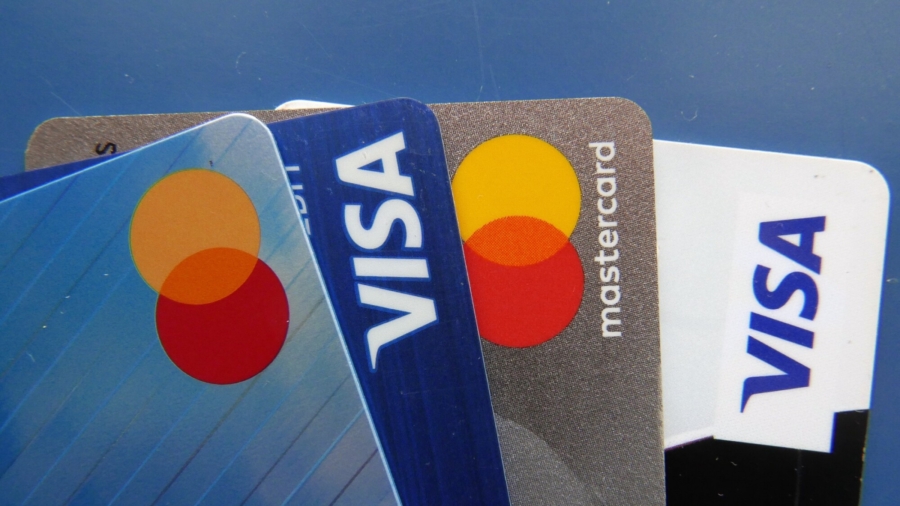
Total U.S. household debt surged to a fresh all-time high of nearly $16 trillion to kick off 2022, the latest Federal Reserve Bank of New York (FRBNY) data showed.
Most of the credit and debt increase was driven by growing mortgage balances, advancing by $250 billion in the first three months of 2022. At the end of March, total mortgage debt stood at $11.18 trillion. Balances on home equity lines of credit (HELOC) were relatively unchanged, standing at $317 billion.
Student loan debt swelled by $14 billion in the first quarter, raising the annual increase to 6.5 percent. In total, student debt stood at $1.59 trillion.
Auto loan debt totaled $1.47 trillion, up by $11 billion from the fourth quarter of 2021.
“The first quarter of 2022 saw an increase in mortgage and auto loan balances coupled with a typical seasonal decrease in credit card balances,” said Andrew Haughwout, Director of Household and Public Policy Research Division at the New York Fed, in a statement. “However, mortgage originations declined from the historically high volumes seen in 2021, reflecting an unwinding in the demand for refinances.”
First-quarter serious delinquency rates, which are 90 days or more overdue, were down for nearly all debt categories on an annualized basis. Student loan debt delinquencies had edged up by 0.03 percent to 1.05 percent.
"While higher inflation is leading to higher spending it is clear consumer strength goes beyond this, with aggregate spending growth exceeding current U.S. consumer price inflation of 8.5% in March," the BofA Institute stated in the report.
"[T]he strength of the labor market is likely alleviating some of the pain of higher prices for those on lower incomes," the study authors added.
As the economy adopts a rising-rate environment, there is a growing concern over debt-servicing payments. Since the Fed raising interest rates impacts credit markets, and consumer debt levels are on the rise, payments are forecast to surge.
"Every May, federal student loans are given a new fixed interest rate for the upcoming school year," the website reported. "These rates are calculated by combining the high yield on the 10-year Treasury note with a fixed congressional premium of 2.05 percent."
The same study found that one-quarter of consumers think their household financial situation will be somewhat worse off next year.
Could current economic conditions dampen business and consumer trends?
But the University of Michigan Consumer Sentiment Index is forecast to weaken slightly in May.
"Though the labor market remains sturdy, we expect sentiment to continue to plumb the recent low readings on the back of high inflation and weakness in asset prices," Deutsche Bank said in a research note. "That said, we will also pay close attention to what consumers are saying about the inflation outlook given that they are an input into the Fed's index of common inflation expectations (CIE)."
“Small business owners are struggling to deal with inflation pressures,” said NFIB Chief Economist Bill Dunkelberg in a statement. “The labor supply is not responding strongly to small businesses’ high wage offers and the impact of inflation has significantly disrupted business operations.”
Public expectations for the level of inflation a year from now remains high at 6.3 percent, according to the The New York Fed's April survey.