


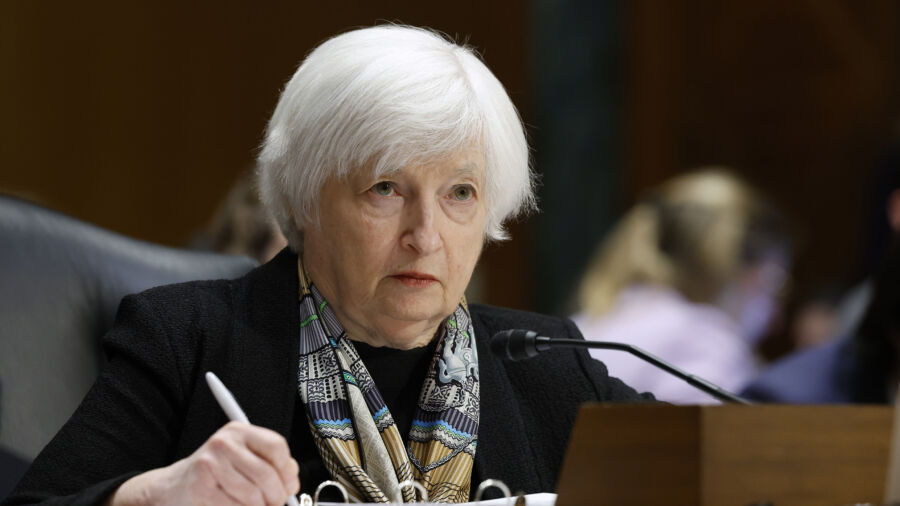
As part of the U.S. government’s extraordinary measures to shield insured and uninsured depositors at Silicon Valley Bank from losses, foreign clients will also be protected, confirmed Treasury Secretary Janet Yellen.
The rescue package will be partly funded through special assessments levied on U.S. banks to recoup these losses and make customers whole.
Since the collapse of the Santa Clara-based financial institution, it has been reported that the bank had many Chinese funds and startups, including companies with ties to the Chinese Communist Party (CCP).
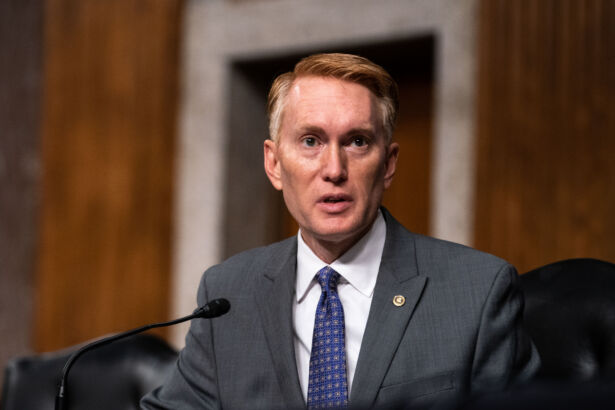
“Will my banks in Oklahoma pay a special assessment to be able to make Chinese investors whole from Silicon Valley Bank?” asked Sen. James Lankford (R-Okla.) during a Senate Finance Committee hearing on Thursday.
Yellen noted that uninsured depositors would be made whole at SVB, adding, “I suppose that could include foreign depositors.”
“I don’t believe there’s any legal basis to discriminate among uninsured,” she said.
“I ask the department to ensure that foreign adversarial regimes, as well as companies subject to their jurisdiction, are unable to exploit this moment for their own material benefit,” Rubio wrote.
“As the Department of Treasury, in tandem with the Federal Reserve and the FDIC, continues its response, I request information from the Department of Treasury regarding depositors from the PRC, including Hong Kong and Macau, that can expect to receive federal reimbursements from the Deposit Insurance Fund and other federal relief.”
It is estimated that SVB had $13.9 billion in foreign deposits that were not subjected to federal or state insurance regulations.
In a March 11 statement, SPD Silicon Valley Bank—a joint venture with the state-owned Shanghai Pudong Development Bank—confirmed that its operations were “sound.”
“The bank has a standardized corporate governance structure and an independent balance sheet,” the company said in a statement.
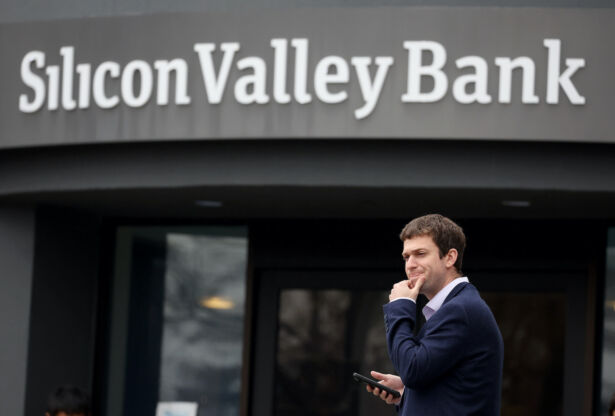
SVB’s History in China
Industry experts note that Silicon Valley Bank was critical for China since many funds and small businesses, especially biotech companies, held their money at SVB before bringing it back home.SVB first dipped its toe in the Chinese market in 1999 and established a Beijing office to offer venture capital investors and technology firms advisory services and client support.
SVB Financial, the parent company of Silicon Valley Bank, took pride in serving the “innovation economy.”
In the aftermath of SVB’s collapse, Chinese investors, businesses, and regulators will attempt to mitigate the damage and navigate the current turbulent landscape.