


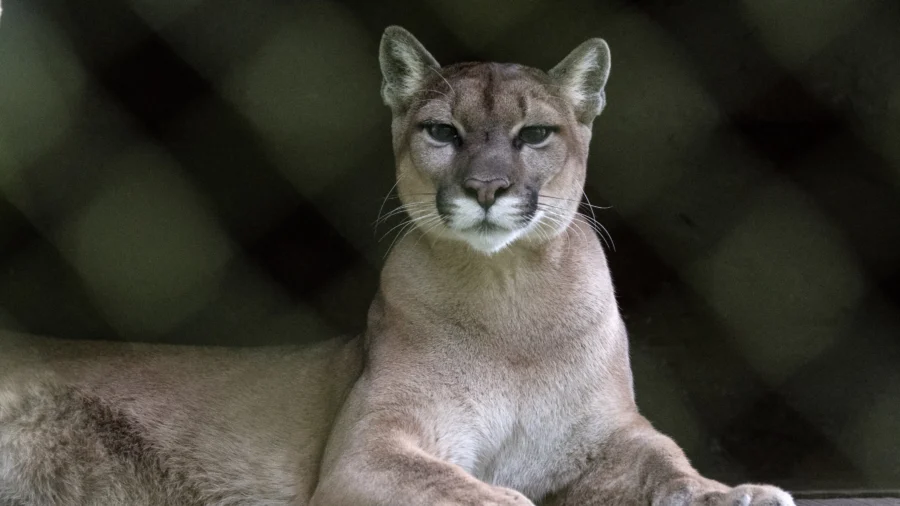
Animal health officials confirmed the presence of highly pathogenic avian influenza among more than half of the wild felids at the facility.
"We are heartbroken to share that animal health officials have confirmed the presence of highly pathogenic avian influenza (HPAI) among over half of our wild felids as of December 2024," the sanctuary stated on Dec. 20.
The outbreak has claimed the lives of 20 wild cats, including an Amur/Bengal tiger, four cougars, an African caracal, two Canada lynx, a Geoffroy cat, a Bengal cat, a Eurasian lynx, four bobcats, and five African servals. The sanctuary provided a list of the deceased animals which also included their names, in a heartfelt post.
The virus, primarily carried by birds, most often is spread through phlegm or mucus and bird-to-bird contact. Wild animals, especially carnivores, can become sick by ingesting infected birds or their droppings. Cats are especially susceptible to the virus, which can rapidly progress and result in death within 24 hours, due to pneumonia-like conditions, the sanctuary said.
In response to the outbreak, the Wild Felid Advocacy Center has implemented strict quarantine measures and is working closely with federal and state animal health authorities, as well as Mason County health officials. The sanctuary's team is also working with private veterinarians to look for ways to prevent further infections and protect the remaining animals in their care, they said.
Despite best efforts, the sanctuary has suffered significant losses and is now turning to the community for support. They said the mounting medical costs, even at discounted rates, have placed a considerable financial strain on the sanctuary.
The sanctuary anticipates reopening in the New Year and is offering full refunds to those who had scheduled visits. It also promises to provide updates on its website.
Officials for the Wild Felid Advocacy Center of Washington didn't immediately return NTD's request for comment.