


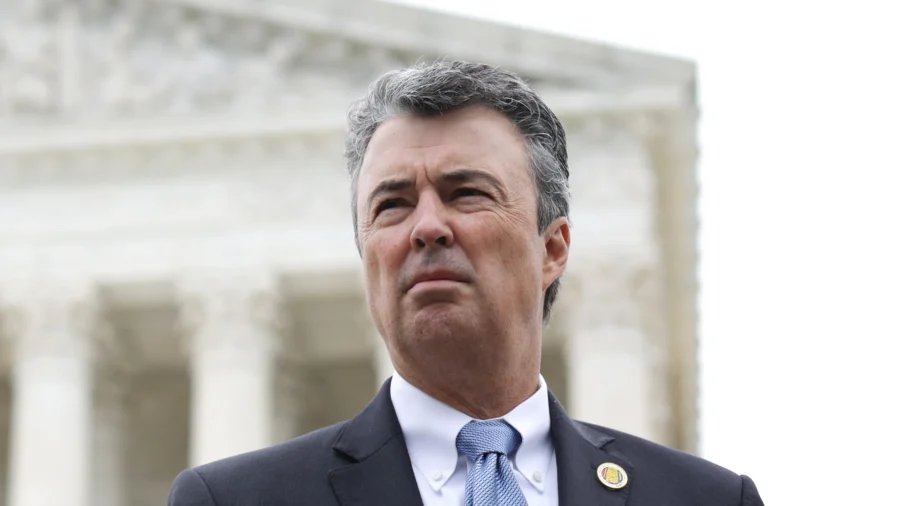
Alabama’s Attorney General Steve Marshall said on May 11 that his office has opened an investigation into the Southern Poverty Law Center (SPLC) following its federal fraud indictment last month.
Marshall said he has sent a subpoena to the SPLC seeking documents detailing donations from Alabama residents, the annual donations received from them, and annual payments made to informants using those funds.
The SPLC must provide the requested documents by June 1. Marshall’s office said the center’s headquarters in Montgomery, Alabama, gives the state attorney general jurisdiction to seek information about its dealings with donors and informants, including those outside Alabama.
“We have always suspected that they were monetizing hate and trading on race-baiting, it was just a matter of proving it,” the state attorney general said in the statement.
“Thanks to the U.S. Justice Department’s action to deal with the SPLC, the State’s efforts have now received a shot in the arm. We look forward to learning more about the inner workings of an organization that we have long believed was rotten, but until recently, has been impervious.”
The SPLC said in a statement to news outlets on May 1 that it had received notice of the subpoena and was currently reviewing the request.
One of the SPLC’s paid informants was a member of the leadership group that planned the Unite the Right protest in Charlottesville, Virginia, in 2017 that resulted in one death, according to the Justice Department.
“Although we don’t know all the details, the focus appears to be on the SPLC’s prior use of paid, confidential informants to gather credible intelligence on extremely violent groups,” Fair said. “This use of informants was necessary because we are no stranger to threats of violence.”
Fair said the SPLC no longer works with paid informants but did frequently share the information gained by them with law enforcement. Fair said the informants risked their lives to infiltrate radical groups, and the SPLC began working with them during the height of the Civil Rights Movement.
“There is no question that what we learned from informants saved lives,” Fair said. The group pleaded not guilty on May 7.