

Several professional athletes have announced plans to return to college after courts granted players a fifth year of eligibility.
On top of that, basketball player RJ Luis Jr. has also secured an injunction allowing him to join the LSU basketball team. Luis went undrafted last season and spent time with the Utah Jazz and Boston Celtics organizations.
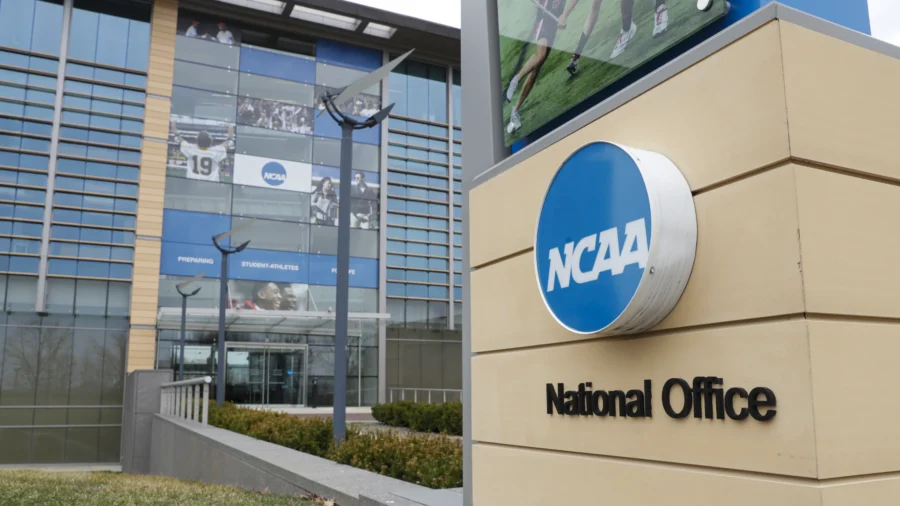
The new NCAA rules make sense. If an athlete has a five-year eligibility window, he or she should be eligible for all five of those years. On the other hand, the athletes suing for a fifth year make a reasonable argument: it's not fair that they are still in college but unable to play sports because of rules that are no longer in force.
But the players who are trying to go back from the professional ranks are doing a serious disservice to the college game. They have already trained like professional athletes, competed against professional athletes, and lived the life of a professional athlete. It's more than reasonable to assume they would have a significant leg up on an underclassman just getting his start in the college ranks. Moreover, having more experience in college after playing a full 4 seasons, coaches who might get these players to commit are more likely to give them opportunities that would otherwise go to younger players.
There is another NCAA controversy we can look to to get a sense of how this could play out. In 2019, University of Pennsylvania swimmer William Thomas ranked 554th in the nation in the 200-meter freestyle, 65th in the 500-meter freestyle, and 32nd in the 1650-meter freestyle. After coming out as a transgender woman, "Lia" Thomas won the 2022 NCAA Championship in the 500m freestyle, came fifth in the 200, and eighth in the 100. Thomas won the Ivy League Championships in all three events, and set program records in the 100, 200, 500, 1000, and 1650 freestyle events.
Another example: in 2016 and 2017, Franklin Pierce University runner Craig Telfer ranked 200th and 390th in the 400-meter hurdles among all Division II male runners. After not running in 2018 due to NCAA rules on transgender athletes, "CeCe" Telfer won a national championship in the event.
What these former pros are doing is no different. Here are players who were mediocre at their appropriate level of competition, so they leave and return to the game at a lower level of competition in order to dominate. In both cases, the players who actually belong at that level of competition suffer the consequences.
Even if it's only for this year, what these pro players are trying to do is blatantly unfair to current college athletes and threatens to turn the transfer portal into a fallback option for mediocre athletes who wash out of the pros. Good on the NCAA and NFL for shutting it down.