

An Arizona bill requiring public schools to teach fetal development has advanced among lawmakers in the state senate.
The House has yet to approve the bill before it can be presented to Gov. Katie Hobbs for her signature. The Senate approved the proposal, 16 to 10, on April 13.
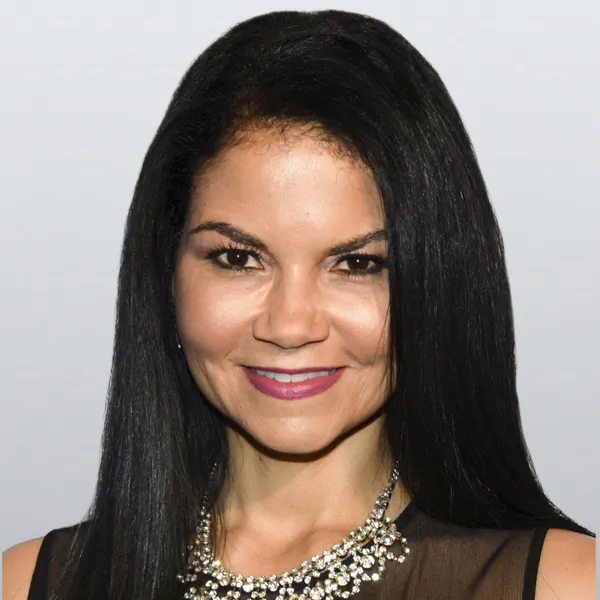
State Rep. Rachel Keshel (R-17), who introduced the legislation, is advocating for fetal development to be reclassified as a science topic rather than sex education.
Keshel did not respond to requests for comment by the time of publication.
“General principles of healthy prenatal development, including only biological and physiological factors that support normal growth and organ development require that instruction provided pursuant to this section meet both of the following," the legislation states. “Be descriptive and age appropriate, not include instruction on sexual activity, sexual behavior, contraception, abortion procedures or reproductive decision-making.”
House Bill 2830 arrives on the heels of Maricopa Superior Court Judge Greg Como's decision in February that the state of Arizona must stop enforcing abortion restrictions that predate and contradict a 2024 constitutional amendment that voters approved, which guarantees abortion rights.
The older laws barred abortion if a woman was seeking it because the fetus had a non-fatal genetic abnormality, and required women to visit with a doctor twice and at least 24 hours apart, before securing an abortion.
Laws prior to 2024 also required women to undergo ultrasounds and Rh blood testing before seeking abortion and prohibited physicians from telehealth prescriptions of abortion pills and mailing them to patients.
“Each of these laws infringe on a woman’s ‘autonomous decision making’ by mandating medical procedures and disclosure of information regardless of the patient’s needs and wishes,” Como ruled.
“When telemedicine is restricted, rural communities, people with low incomes, people with disabilities, survivors of intimate partner violence and communities of color suffer the most,” ACLU lawyer Julia Kaye said.