


A dead rabbit found in a Colorado neighborhood has county health officials sounding the alarm about tularemia—a rare but potentially dangerous bacterial infection—in local wildlife populations.
The Larimer County Department of Health and Environment issued a public health report on June 9 that tularemia had been detected in the county, with the bacteria identified in the dead rabbit found in a southwest Berthoud neighborhood.
The discovery has renewed calls for caution as residents and visitors head outdoors this summer, particularly around rabbits, rodents, and tick-prone areas throughout the county.
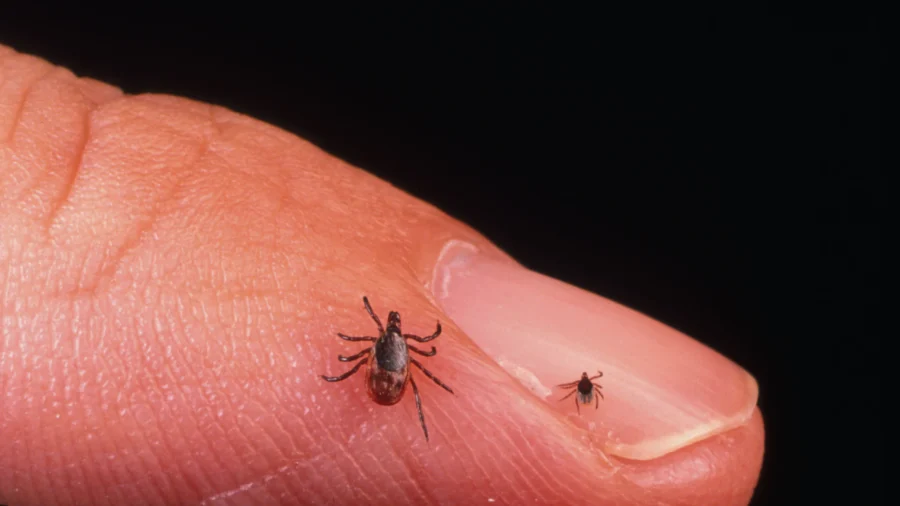
Tularemia—sometimes called "rabbit fever" or "deer fly fever"—is caused by the bacterium Francisella tularensis and is considered highly infectious, according to the Cleveland Clinic. Even minimal contact with the bacteria can be enough to cause illness. The infection is not contagious between people, but it can spread to humans through multiple routes: bites from ticks or deer flies, handling sick or dead animals, drinking untreated water, and even inhaling contaminated dust or soil particles, according to the Centers for Disease Control and Prevention.
Symptoms can range from mild to life-threatening and typically include fever, chills, fatigue, swollen lymph nodes, and skin ulcers. They may appear anywhere from a few days to two weeks after exposure. Left untreated, the disease can prove fatal in 10 percent to 50 percent of cases—but with quick antibiotic treatment, the mortality rate drops to around 1 percent.
7 Human Cases Since 2020
Larimer County has recorded seven human cases of tularemia since 2020. Because the disease is endemic to the region, officials say it is likely already present in wildlife beyond the Berthoud neighborhood where the infected rabbit was found."Because tularemia is present in Larimer County, it's important to take steps to avoid infection," said Dr. Paul Mayer, the health department's medical officer. He urged residents and visitors to "use effective insect repellent, check skin for ticks after being outdoors, and keep children and pets away from wild animals, including rabbits and squirrels."
Nationally, the disease remains uncommon—fewer than 200 cases were reported across the United States in 2023, according to the CDC. Naturally occurring infections have been reported in every state except Hawaii. Cases are most concentrated in the South-central United States, the Pacific Northwest, and parts of Massachusetts.
What Doctors Look For
Tularemia takes several forms depending on how a person is infected. The most common is ulceroglandular tularemia, which stems from infected tick or animal bites and primarily affects the skin and lymph nodes. The most severe form—pneumonic tularemia—develops when bacteria are inhaled and can cause pneumonia-like symptoms. In serious, untreated cases, complications can include sepsis, organ failure, meningitis, and internal bleeding.Protecting Yourself This Summer
Health officials are urging simple but effective measures to reduce the risk of infection such as wearing gloves while gardening, applying EPA-registered insect repellents containing DEET or picaridin, and wearing a dust mask when mowing or working in soil where animal remains may be present. Residents should also wear shoes outdoors and use protective gloves when removing any dead rodents or rabbits from their property.Anyone who spots three or more dead animals—especially rabbits or rodents—within a localized area over a two-week period is asked to contact the LCDHE Zoonosis Team at 970-498-6666.