


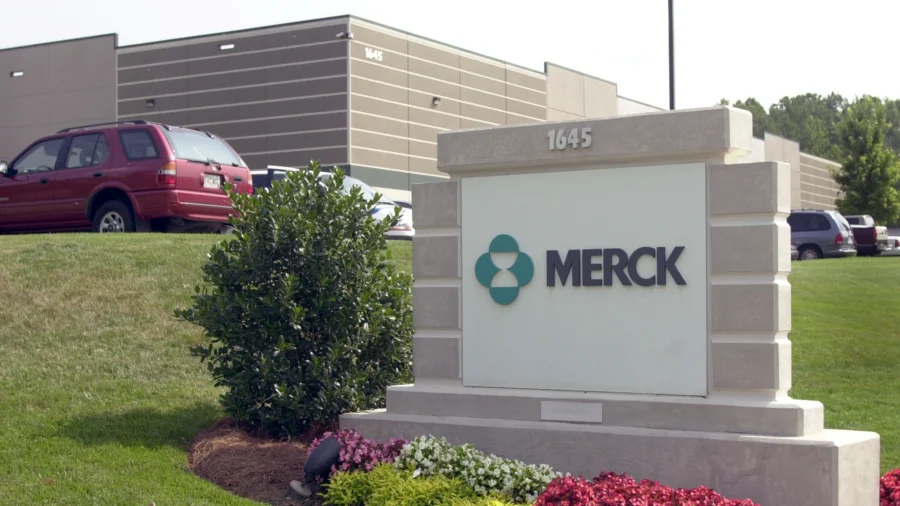
The Food and Drug Administration (FDA) has approved Merck’s drug for respiratory syncytial virus (RSV) in infants.
RSV is a lower respiratory tract disease that spreads in the fall and winter.
The FDA has not yet released documents outlining the approval.
Merck said the approval was based on the results of a phase 2b/3 placebo-controlled clinical trial that showed that infants who received Enflonsia had reduced risk of contracting RSV-associated medically attended lower respiratory infections and RSV-associated hospitalizations. A separate phase 3 trial found that the antibody reduced the risk of severe RSV disease when compared to palivizumab, an RSV preventative medication, according to Merck.
Adverse events in the trials were comparable between the Enflonsia recipients and control arms, the company said.
The Centers for Disease Control and Prevention estimates that up to 80,000 children younger than 5 are hospitalized because of RSV each year.
There were shortages of Beyfortus in the 2023–2024 season due to what Sanofi said was unprecedented demand.
Beyfortus has different dosing levels based on the recipient’s weight, while Enflonsia has the same dosage regardless of weight.
The effect of the antibodies is strongest in the weeks after they are administered and wanes over time, according to the CDC.
The FDA clears drugs, while the CDC issues recommendations on which populations can receive the products, typically after receiving advice from the Advisory Committee on Immunization Practices.
After the FDA approved Beyfortus, the CDC’s vaccine advisory panel unanimously voted to advise the CDC to recommend the drug for all infants born during or entering their first RSV season, advice the CDC adopted. The panel also later recommended that the CDC add the drug to the childhood immunization schedule, which the CDC did.