


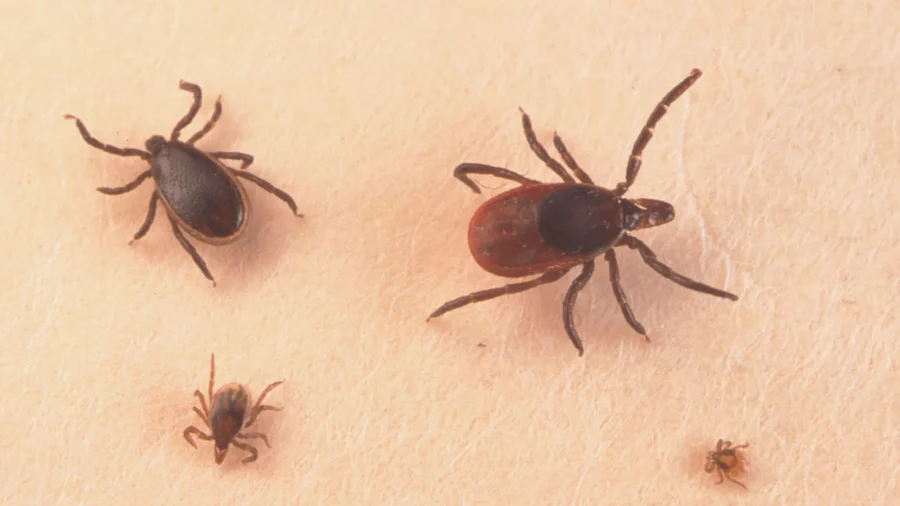
The first human case of a tick-borne disease, usually found in the southeastern part of the country, has emerged in the Northeast.
State scientists say the Gulf Coast tick transmits the disease.
"Although cases of this disease have been reported in the southeastern part of the country, this is the first report of this disease in the Northeast, an area already plagued by tick-borne diseases, including Lyme disease, babesiosis, anaplasmosis, Powassan virus disease, and ehrlichiosis," the media release said.
The disease can result in symptoms such as fever, headaches, muscle pain, and rash, which are typical in other spotted fevers, according to the Centers for Disease Control and Prevention (CDC).
Spreading North
State scientists said the tick historically has been found near the coastal regions of states bordering the Gulf of Mexico and the southern Atlantic coast, but in recent decades, new cases have emerged farther north, which could be for various reasons.“Rising global temperatures, ecological changes, reforestation, and increases in commerce and travel are important underlying factors influencing the rate and extent of range expansion of ticks and associated pathogens," said Dr. Goudarz Molaei, the CAES Tick-Borne Diseases Surveillance Program director.
Migratory grassland birds also serve a crucial role in spreading Gulf Coast ticks to locations in central and northern states.
Molaei, who is also an associate clinical professor at the Yale School of Public Health, emphasized the need for education on tick-borne illnesses and how to prevent infections.
“The rapidly changing dynamics and evolving risks of tick-borne diseases across this region reinforce the need for awareness of and education for tick bite prevention strategies, including the use of repellents registered with the Environmental Protection Agency,” he said.