


The Five Eyes intelligence alliance on June 3 warned that China’s military intelligence services are using fake recruiters and consulting firms on popular job websites to recruit people with access to sensitive information.
In a joint security bulletin, intelligence agencies from the United States, the UK, Canada, Australia, and New Zealand said Chinese operatives target individuals, including military personnel and academics, with access to classified or privileged information.
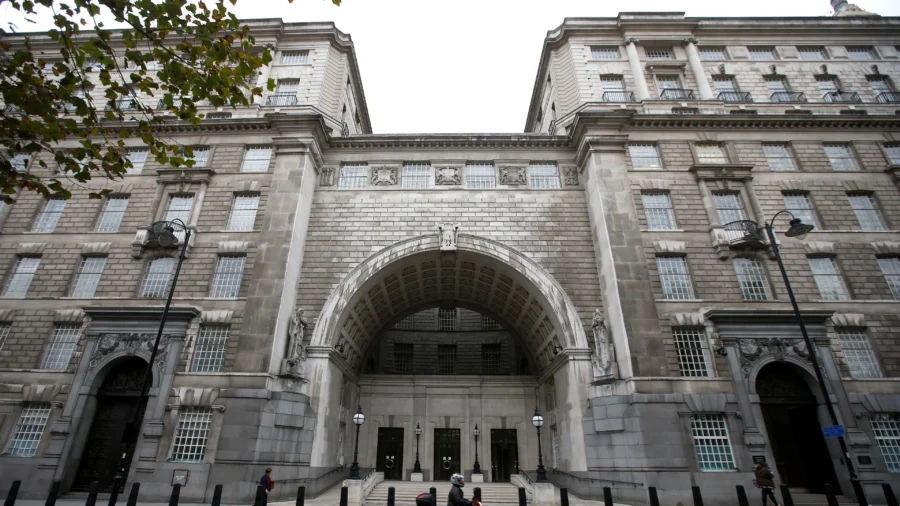
The bulletin, titled "Safeguarding Our Secrets," was released jointly by the FBI, the UK's MI5, the Canadian Security Intelligence Service, the Australian Security Intelligence Organisation, and the New Zealand Security Intelligence Service.
"China's military intelligence services are using an increasingly wide array of professional networking sites and online job platforms to target Five Eyes government and military personnel—and anyone with access to classified or privileged information," the agencies said in the bulletin.
Western security agencies have repeatedly warned that Chinese intelligence-gathering efforts span both cyber operations and human recruitment networks.
Fake Recruiters, Cover Companies
The Five Eyes bulletin said Chinese intelligence officers often pose as private consultancies, think tanks, or recruitment companies.The recruiters typically claim to work for companies based outside China and use what the Five Eyes agencies described as fake but convincing "cover companies."
According to the bulletin, they frequently advertise jobs for defense analysts, foreign policy experts, researchers, and consultants on professional networking and freelance work websites.
The recruiters then identify people who may have access to sensitive information and begin building relationships with them. The agencies said platforms used in these operations include LinkedIn, Indeed, and Upwork.
Interviews are usually conducted online, making it harder to verify the recruiter's identity or location. The agencies said recruiters often start with routine questions before gradually asking about government contacts, military activities, or policy issues.
Military personnel may be asked about their duties, units, locations, or deployments.
More Sensitive Information
The intelligence agencies said recruits are often first asked to complete what appears to be a harmless research assignment, such as a report on China’s foreign relations. The initial assignments serve as a screening process, and once a recruit has established a working relationship, requests may gradually become more sensitive."Successful candidates are pressured to provide 'non-public' information for unspecified clients who are associated with the Chinese government," the agencies said in the bulletin.
At a later stage, recruiters often move conversations away from public platforms and onto encrypted messaging applications.
The agencies said this shift makes communications more difficult to monitor and can help conceal the identities of those involved. They added that recruits are often paid for reports and research. Payments can range from a few hundred dollars to several thousand dollars, with larger sums offered for more sensitive information.
The payments may be made through PayPal, Payoneer, Wise, Skrill, Zelle, Western Union, electronic transfers, or cryptocurrency.
"Applicants who provide their resumes and other personally identifiable information risk compromises of personal privacy," the agencies added.
It warned that people who knowingly disclose protected information could face criminal penalties under national espionage laws.
The Five Eyes agencies said similar activities have previously led to criminal prosecutions, job losses, and revoked security clearances.
China Rejects Allegations
A spokesperson for the Chinese Embassy in the UK rejected the Five Eyes warning, saying the allegation of a "Chinese espionage threat" was "entirely fabricated and constitutes malicious slander.""We strongly condemn this," the spokesperson added.
The spokesperson also criticized the Five Eyes intelligence alliance and urged the UK government to withdraw the accusations.