


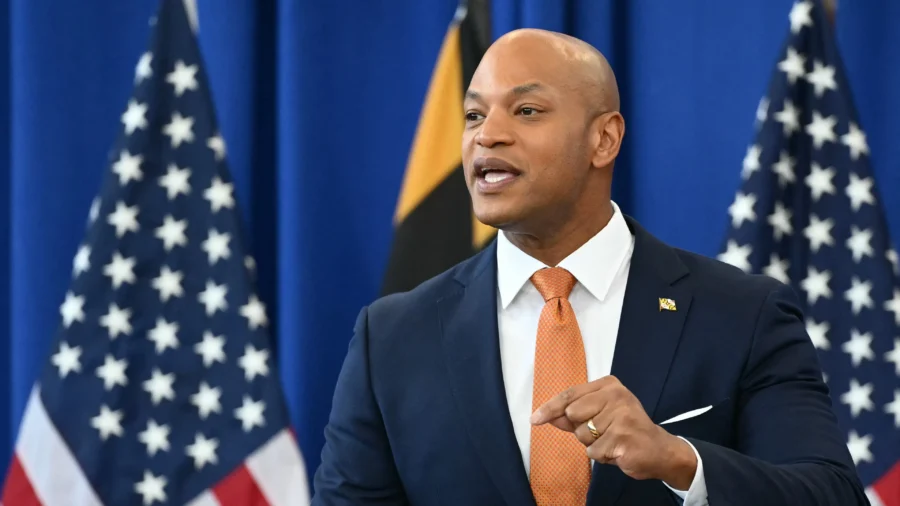
The governor’s office statement did not specify whether he was referring to legal or illegal immigrants, though wording in a supporting release and the state’s broader stance on noncitizens suggests the latter.
"Immigrant communities have reported the emergence of new schemes targeting immigrants for exploitation and abuse, as unscrupulous actors seek to take advantage of immigrants’ fear of immigration enforcement," states a press release from the governor's office.
The Maryland Immigrant Rights Protection Task Force will operate for 12 months along with state agencies, the attorney general’s office, the comptroller’s office, and other government entities to coordinate responses to legal services scams, workplace violations, housing issues, consumer fraud, and civil rights concerns, according to the order.
“Our immigrant communities contribute to the greatness of Maryland,” Moore said in a statement. “I have made it clear that we will not stand by while bad actors prey on immigrants in our communities.”
Immigrants make up about 17 percent of Maryland’s population and nearly 22 percent of the state’s labor force, according to the governor’s office.
“Immigrant communities are particularly vulnerable to wage theft, housing scams, and workplace abuse in the current political climate,” Attorney General Anthony Brown said. “This Task Force brings State government together to ensure immigrant Marylanders have access to the services they need, protection they deserve, and the rights they are owed.”
The group will also recommend ways to improve outreach and access to legal help. Maryland Comptroller Brooke Lierman said the effort will improve coordination among agencies and expand access to information about legal protections and resources.
Recent Immigration Policy Moves in Maryland
The order follows other immigration actions by Moore this year, including laws that designate schools and hospitals as protected spaces and limit local cooperation with federal immigration enforcement.The Community Trust Act restricts local law enforcement from asking about a detainee’s citizenship or immigration status, notifying federal immigration authorities when a detainee is suspected of violating immigration laws, or transferring detainees to U.S. Immigration and Customs Enforcement (ICE) without a judicial warrant.
The law allows cooperation with federal immigration authorities only in limited cases, including when a detainee is a convicted felon, a registered sex offender, has served 12 to 18 months in a state prison, or has been convicted in another state and imprisoned for at least five years.
The lawsuit says it prohibits local officers and correctional staff from honoring federal immigration detainers, notifying federal authorities about removable noncitizens in custody, transferring custody to ICE, or sharing information unless a judicial warrant is presented.
The plaintiffs contend the law also limits cooperation even in cases involving individuals convicted of serious felonies or sex offenses, saying it is subject to narrow exceptions for certain “convicted individuals.”