


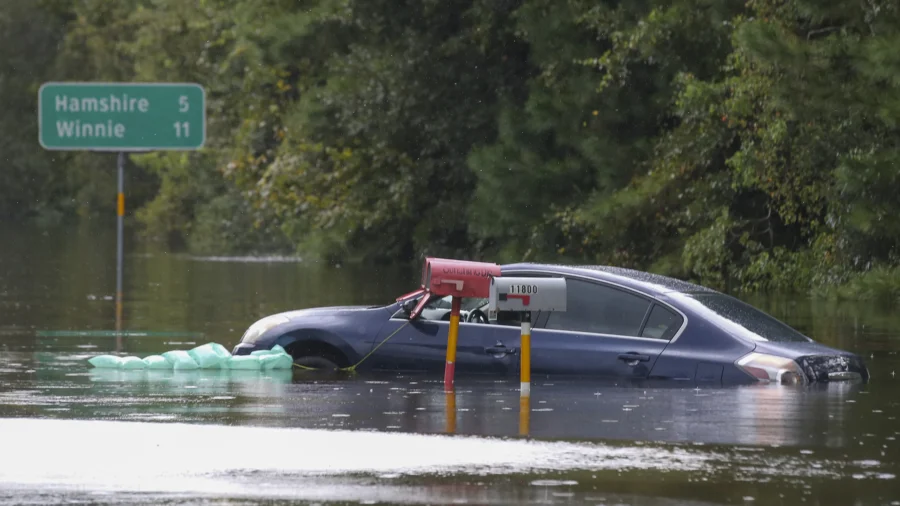
Home and automobile insurance is on the rise, according to S&P Global Market Intelligence, and finance experts weighed in on how to mitigate the cost.
A Consumer Federation of America (CFA) report called "Overburdened" indicates that homeowners’ insurance premiums increased an average of 24 percent over the past three years, while ValuePenguin estimates that car insurance premiums increased 16.5 percent last year.
“We’re taught to hope nothing happens and then we panic when it does,” Iowa-based certified financial planner Stoy Hall told NTD. “Real budgeting means planning for protection. Build it in, bake it into your monthly habits, and stop treating insurance like a luxury.”
Stoy also advises reconsidering the necessity of roadside assistance and rental car reimbursement in order to lower the cost of car insurance premiums.
“Improve your credit score,” he added. “Insurers are shady. Many use it to price your risk. Shop around annually because loyalty doesn’t pay in this game. Bundle when you can. Raise your deductibles if you’ve got a safety net to cover them.”
A deductible is the amount of money an insured individual will pay before the insurance company begins to cover a claim for coverage.
Paying a higher deductible can, in some cases, lower the cost of a policy’s premium, which is the monthly payment consumers pay for the protection.
Clearinsurance.com finance and insurance expert Melanie Musson blames rising homeowners insurance premiums on the money insurers have lost while paying for the damages caused by natural disasters in recent years.
In California, the State Department of Insurance approved a 42 percent rate increase for American Modern home renters' policies.
“The home insurance industry reflects the housing industry,” Musson told NTD. “The more costly home repairs are, the more expensive home insurance will be. If the home is at an increased risk of being hit with a natural disaster, the premiums will increase to reflect that risk.”
Floods, earthquakes, and storms are also considered to be natural disasters. For example, extreme rainfall caused flooding in Kerr County, Texas, at an all-girls Christian summer camp, killing more than 100 people over the July Fourth weekend.
To mitigate a natural disaster, Deep Sky climate data scientist Max Dugan-Knight advises homeowners to install water and fire-proof materials or trim trees and shrubbery growing close to the house so that a fire won't spread so easily.
“Outside of that, your best bet is to work with an independent broker and try to customize certain aspects of your policy,” public adjusting company, Tiger Adjusters CEO Ted Patestos told NTD.
The Associated Press contributed to this report.
The views and opinions expressed are those of the interviewees. They are meant for general informational purposes only and should not be construed or interpreted as a recommendation or solicitation. NTD does not provide investment, tax, legal, financial planning, estate planning, or any other personal finance advice. NTD holds no liability for the accuracy or timeliness of the information provided.