


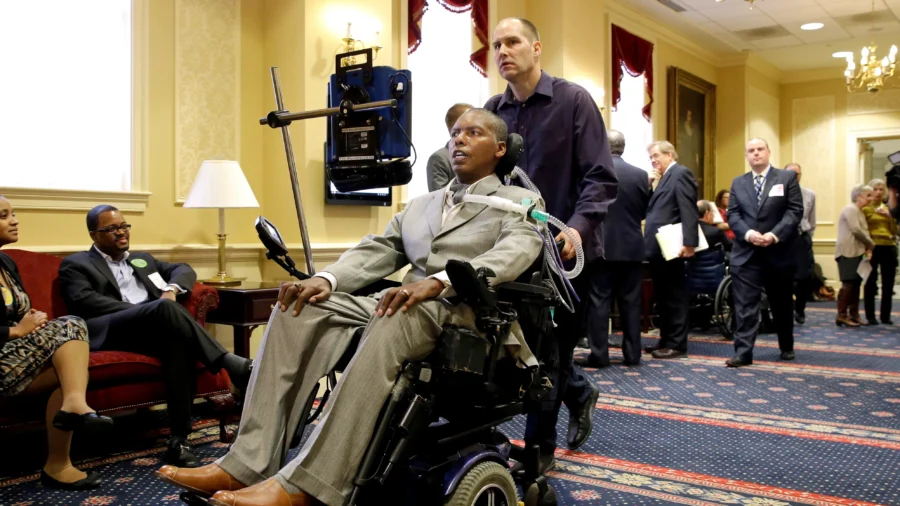
Brigance grew up in Houston and stayed close to home for college, playing at Rice University before turning professional. He launched his pro career in the Canadian Football League with the BC Lions in 1991 before moving on to the Baltimore Stallions. With the Stallions, he helped deliver the 1995 Grey Cup title.
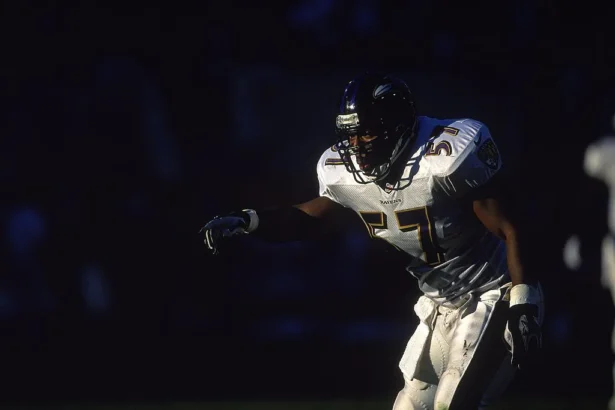
Brigance briefly signed with the Miami Dolphins before becoming a valued piece of the Ravens' 2000 championship roster, primarily on special teams. As a linebacker, he delivered the opening tackle of Super Bowl XXXV, a game Baltimore won over the New York Giants by a score of 34 to 7. His playing career wrapped up after the 2002 season, spanning 12 years overall and seven seasons in the NFL across 98 games with four franchises.
ALS, or amyotrophic lateral sclerosis, also called Lou Gehrig's disease, is a nervous system disorder that gradually destroys the nerve cells controlling voluntary muscle movement, eventually impairing walking, speaking, swallowing, and breathing, according to the Mayo Clinic.
The exact cause remains unknown in most cases, though roughly 10 percent of cases are linked to an inherited gene, and there is currently no cure. Most people live three to five years after symptoms appear, though some survive a decade or longer, with breathing failure being the most common cause of death.
Turning Diagnosis Into A Mission
After learning he had ALS in 2007, Brigance and his wife, Chanda, launched the Brigance Brigade Foundation to support people living with the disease and their caregivers.For over 15 years, the organization has assisted hundreds of families across the mid-Atlantic region by funding equipment, home accessibility upgrades, and caregiver wellness programs.
Team owner Steve Bisciotti called Brigance "a beloved legend, mentor and man to everyone who was fortunate enough to know him.” Executive Vice President Ozzie Newsome said Brigance "was a hero to this city long before his courageous battle with ALS.”
General Manager Eric DeCosta praised his outlook through the illness, saying, "We never once saw O.J. angry or frustrated by his disease. Instead, we all witnessed a hero who influenced so many people through his unwavering optimism and grit.”
Former coach John Harbaugh remembered him as "a man of great faith who was given a very challenging purpose.”