


Agriculture Secretary Brooke Rollins outlined actions on Monday that the federal government has taken to combat flesh-eating New World Screwworm after more cases had been confirmed in the United States.
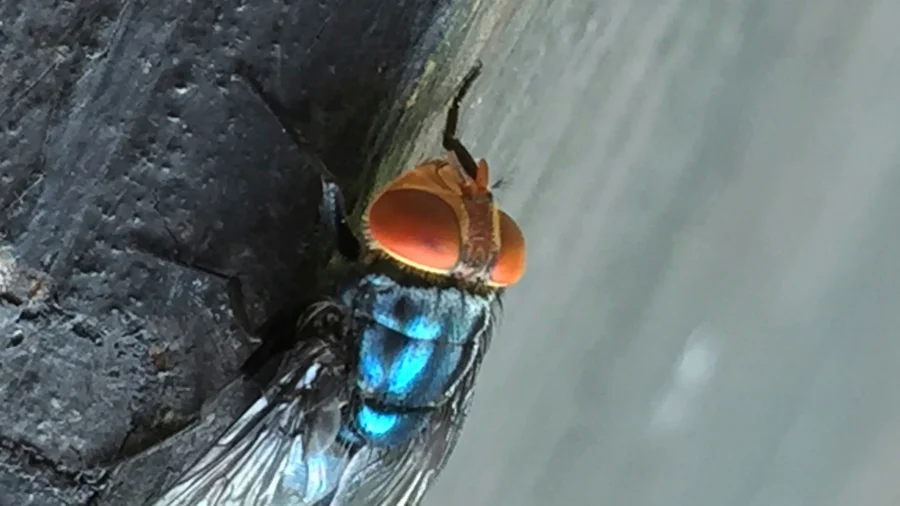
Rollins said the United States will depend on the same strategy as it did in the late 1950s, which involves releasing sterile insects to suppress the pest’s population.
She described the strategy as necessary following four confirmed cases of NWS in Texas.
Rollins noted that production has been increased at the only sterile fly-producing facility in North America. Located in Panama, the facility produces about 30 million flies a week.
“We immediately upped that to 100 million flies a week and have been flying those flies over the last year,” Rollins said during a CNBC interview
Additionally, a newly outfitted facility in Mexico will add 50 million to 100 million flies a week. Rollins said the facility will begin operating in the next few weeks.
Rollins added construction has begun on a new state-of-the-art facility in Texas, which will be able to produce 400 million flies a week, at its full capacity, by late 2027.
No locally acquired human infestations have been reported in the United States, according to the Centers for Disease Control. Infestations by NWS maggots can cause painful, foul-smelling wounds in animals and people. If not treated early, NWS can cause extensive tissue damage and potentially even death.