


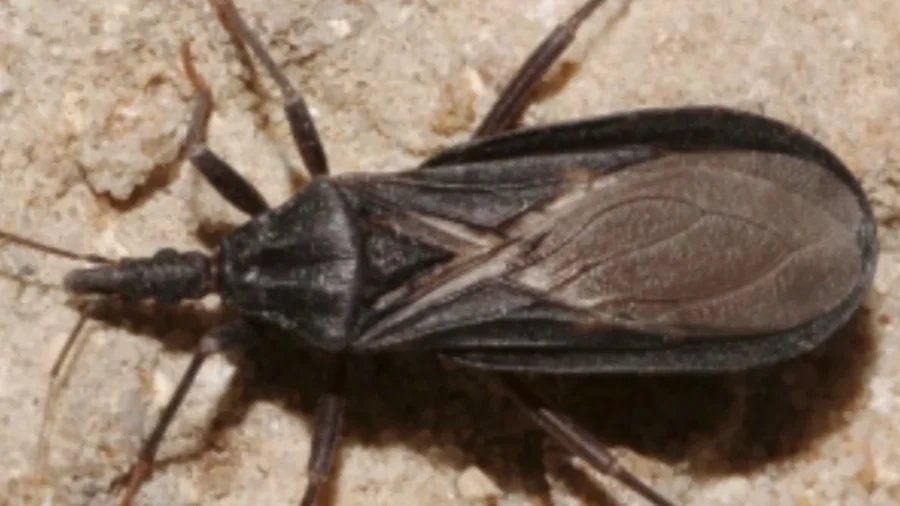
A San Diego County resident has tested positive for Chagas disease without ever having traveled to Latin America. Local health officials said Sunday the case marks the first time the parasitic illness has been confirmed as locally acquired in the region.
A Bug Already Living Here
Kissing bugs are not newcomers to California. According to the California Department of Public Health, the insects are native to the state and have been present throughout the Americas for a long time. The most common species in California, known scientifically as Triatoma protracta, is frequently found in foothill and mountainous regions and is primarily active at night. Adults can fly and are drawn to lights during warm evenings, occasionally slipping into homes through gaps under doors or open windows.How the Disease Spreads
Despite their name, kissing bugs don't transmit Chagas disease through their bite alone. The parasite responsible—Trypanosoma cruzi—lives in the bug's feces, not its saliva. Infection occurs when droppings are rubbed into the bite wound, or into the eyes, nose, or mouth. The San Diego County Health and Human Services Agency notes that people should always clean bites with iodine and avoid crushing or squishing the insects.Serious Long-Term Risks
While Chagas disease often produces no immediate symptoms, or only mild flu-like signs such as fever, headache, cough, and abdominal pain, the long-term consequences can be severe. According to the County of San Diego, between 30 and 40 percent of infected individuals will eventually develop serious complications affecting the heart or gastrointestinal system—sometimes years or even decades after the initial infection. Pregnant women with the infection can also pass it to their unborn children.Growing Local Surveillance
San Diego County made Chagas disease locally reportable in 2024 to better track its spread. Since that designation, 22 cases have been reported, four of which were laboratory-confirmed. Sunday's announcement marks the fourth confirmed case—and the first that cannot be traced to travel or residence in an endemic country.County Public Health officials say they are continuing to work with health care providers to investigate cases and monitor potential transmission.
Both the CDPH and San Diego County recommend that residents living near natural, undeveloped areas seal cracks and gaps in their homes, remove rodent nests near structures, store firewood away from the house, and keep outdoor lighting minimal at night. Those who have lived in Mexico, Central America, or South America—particularly pregnant women—are encouraged to speak with a doctor about screening. Anyone concerned about a kissing bug encounter should avoid smashing the insect and instead carefully remove it, wash affected skin with soap and water, and clean nearby surfaces with a household disinfectant.