


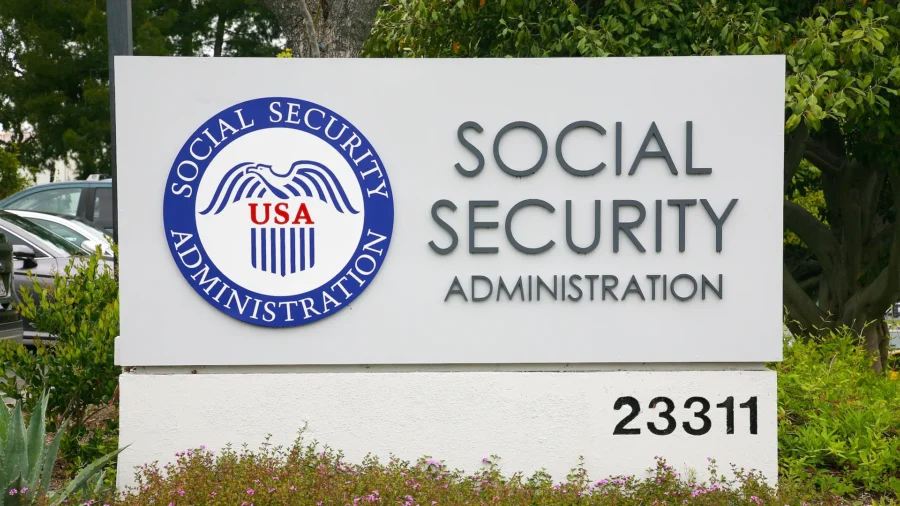
Social Security field office wait times also dropped from about 30 minutes in fiscal 2024 to just over 20 minutes in 2026, a nearly 30 percent decrease, officials said. In Ohio, the average wait is now under 20 minutes, below the national average.
The updates were highlighted during a May 22 visit to the Social Security field office in Middleburg Heights, Ohio, by SSA Commissioner Frank Bisignano, SSA Deputy Commissioner Arjun Mody, and Senator Bernie Moreno (R-Ohio).
“Under President Trump’s leadership, we have made it a priority for the agency to meet people where they want to be served, whether that’s at a field office, on the phone, or online,” Bisignano said.
About 37 percent of incoming field office calls are now handled through automated self-service options, reducing pressure on live representatives, according to the SSA.
SSA has also expanded online capacity, eliminating 29 hours per week of downtime for the "my Social Security" portal. The agency reported more than 287 million online transactions completed in fiscal 2026, a 47 percent increase from the same period in 2024.
More than 100 million accounts have been created on the platform, reflecting continued growth in the use of digital services, SSA said.
In 2025, nearly 69 million Americans are expected to receive Social Security benefits each month, with total annual payouts of about $1.6 trillion.
Recent data shows that about six out of 10 SSI recipients in this age group qualified due to mental disorders, including depression, schizophrenia, developmental, and intellectual disabilities.
For Social Security Disability Insurance (SSDI), the top diagnosis was diseases affecting the muscles, bones, and connective tissue, which made up 34 percent of approvals.
The maximum monthly SSI payment in 2026 was reported at $994 for individuals and $1,491 for couples, according to the NCOA.
Meanwhile, the average SSDI benefit was $1,492 in February 2026. SSI recipients averaged about $736 a month.
Applicants for these disability benefits face strict income and medical requirements. Only about four in 10 applications are approved, but appeals are available for denied claims, according to the NCOA.