


The Trump Administration will use tariff revenue to continue funding the Special Supplemental Nutrition Program for Women, Infants, and Children (WIC) while the federal government remains shuttered.
WIC began as a pilot program in 1972, and currently provides nutritional support and education to nearly 7 million low-income women who are either pregnant or postpartum, as well as infants and children under the age of five.
Unlike Medicare or Medicaid, which are entitlement programs guaranteed ongoing funding by federal law, this program receives annual funding approved by Congress and distributed as grants under the U.S. Department of Agriculture (USDA) to each state.
At the federal level, WIC is administered by the USDA’s Food and Nutrition Service, and it has 88 state agencies that cover all 50 States, Washington, D.C., as well as 32 Indian tribal organizations and five territories, including American Samoa, Guam, the Commonwealth Islands of the Northern Marianas, Puerto Rico, and the U.S. Virgin Islands.
According to the USDA, the program is administered by states through private nonprofits, or county and city health centers, which provide food vouchers and services such as infant formula, breastfeeding support, and health screenings.
About 41 percent of infants in the United States were served by the WIC program in fiscal year 2024, accounting for approximately 6.7 million participants each month, and costing $7.2 billion.
That spending authority expired on Sept. 30.
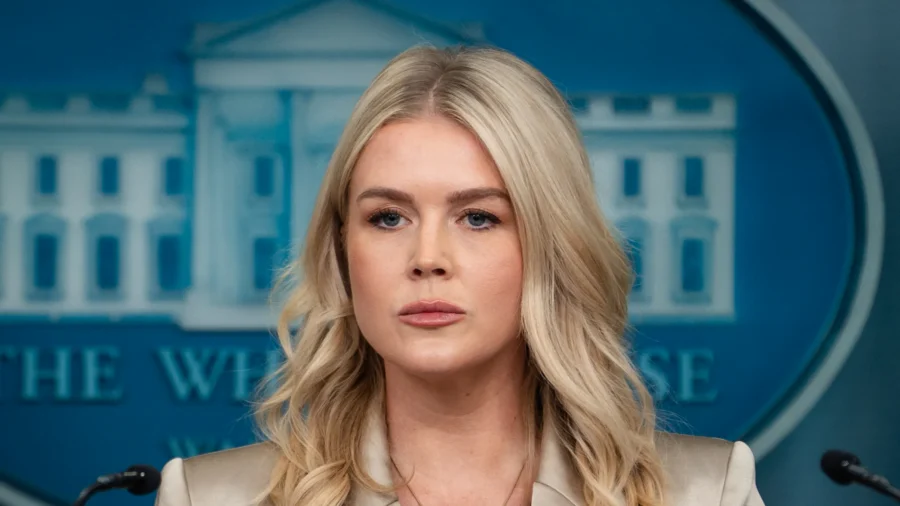
“The Trump White House will not allow impoverished mothers and their babies to go hungry because of the Democrats’ political games,” Leavitt added to her statement.