


When we talk about ceiling paintings, or frescoes, the first thing that comes to mind is probably Michelangelo and his iconic “Creation of Adam," which has become so famous that some may not even know of any other fresco artists.
But that doesn't mean that such a person doesn't exist.
“Tiepolo was really one of the greatest fresco painters of all times," Xavier F. Salomon, curator of The Frick Collection's exhibition "Tiepolo in Milan: The Lost Frescoes of Palazzo Archinto" told NTD. "He is one of the greatest fresco painters of the 18th century, one of the greatest Italian artists.”
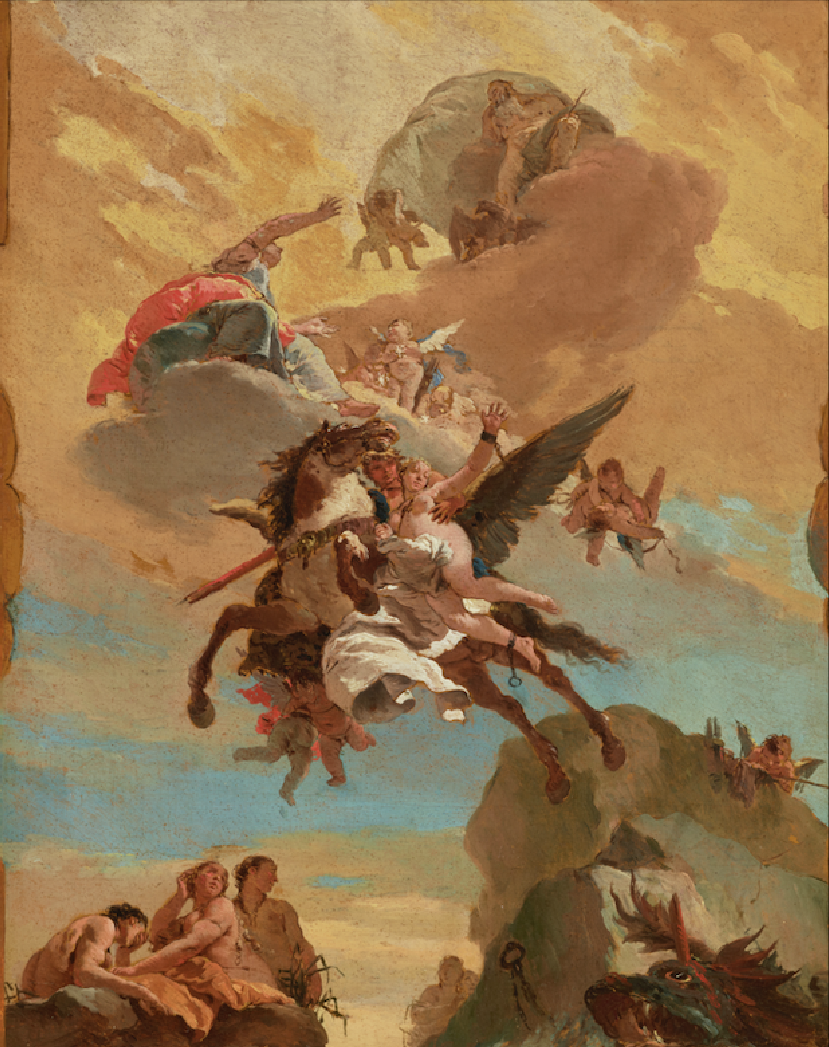
The Italian painter Giambattista Tiepolo was born roughly 200 years after Michelangelo and painted in the theatrical and ornamental "Rococo" style.
"He frescoed great ceilings in Venice, in the northern region of Italy, but also in Germany, in Spain, and in other countries in Europe," Salomon said.
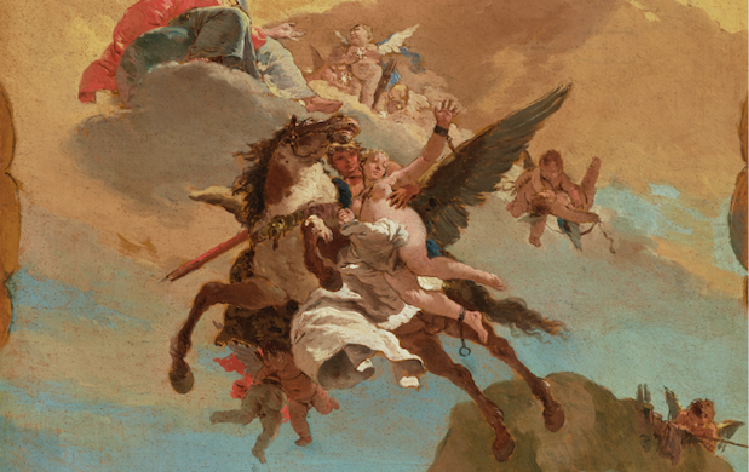
Among his most notable works are a series of ceiling paintings he did for an Italian palace called Palazzo Archinto in Milan, where Tiepolo featured mythological scenes, including the Greek hero Perseus saving the princess Andromeda from the sea monster, and the solar god Apollo warning his son Phaëton of the danger of riding the Sun Chariot.
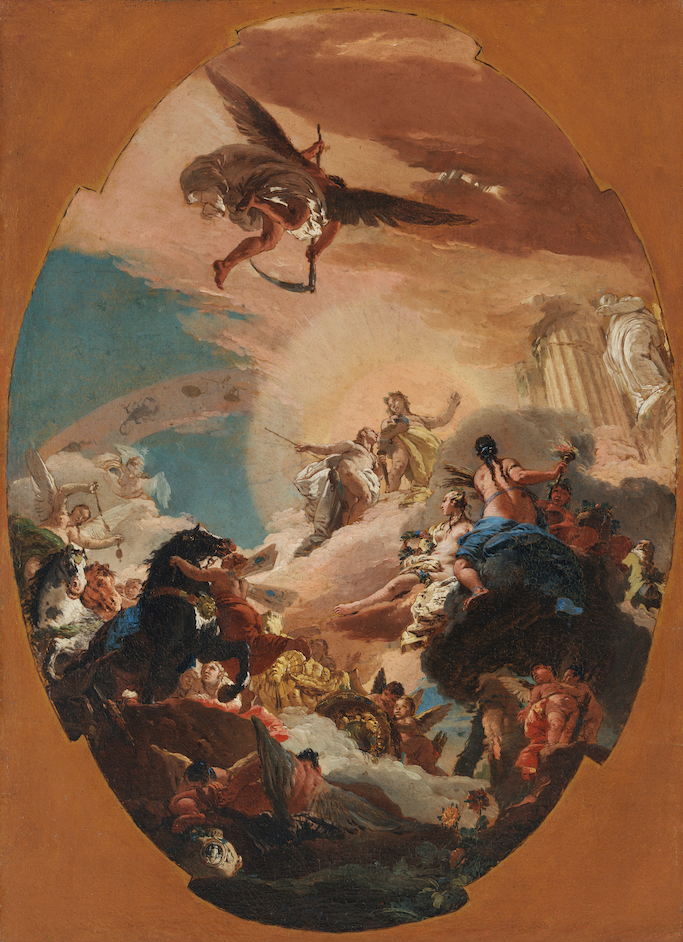
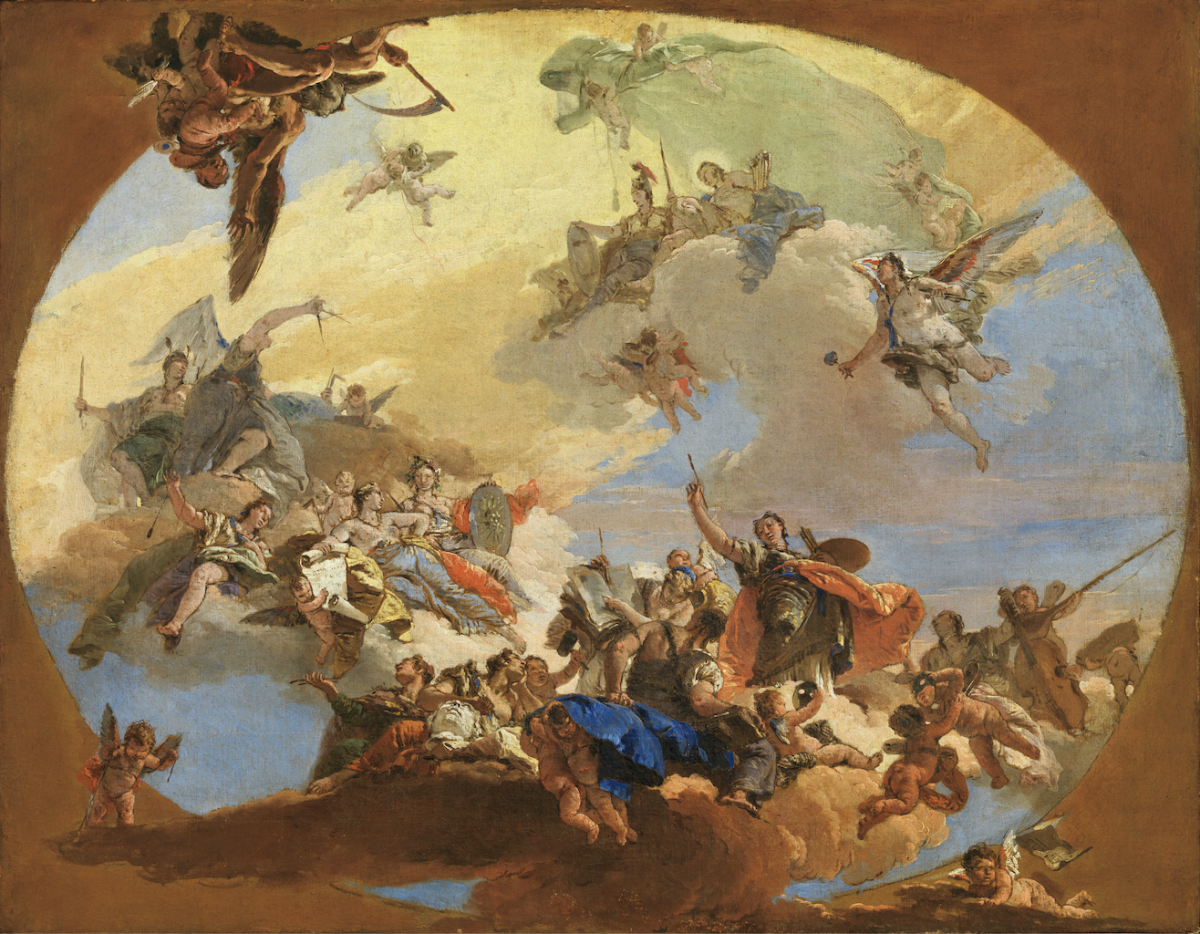
"He really creates convincing scenes of the visions of heaven on the ceilings... and transmits this sort of sense of glory and magnificence in a really wonderful way," Salomon said, "He is an incredible artist. I think he is somewhat unpopular these days because people like more minimal things, and things that are more in sync with our times. But I think 18th century artists are fantastic."
But the unfortunate reality is that the frescoes were bombed and destroyed by the Allies during World War II.
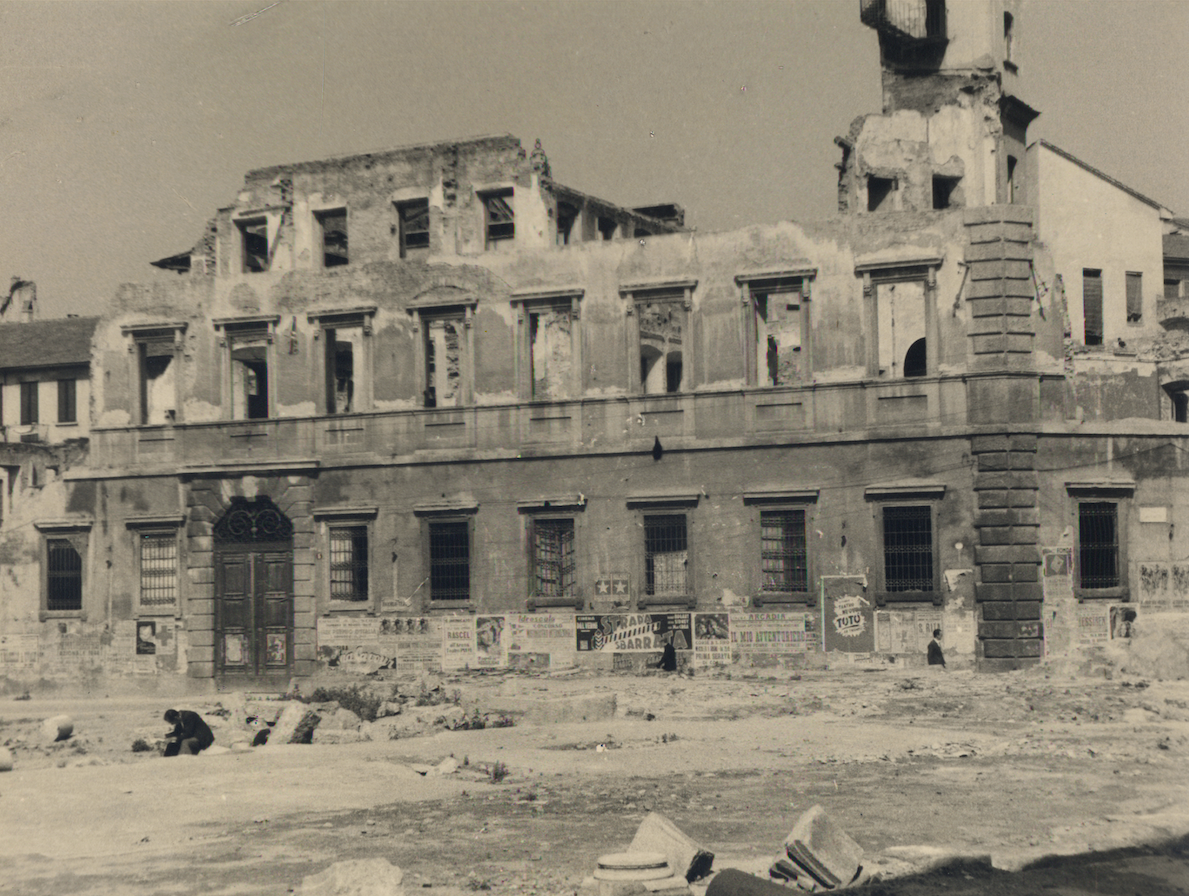
The Frick Collection in New York City displays the frescoes' preparatory oil to help the public imagine the striking beauty of the original works.
"I think what the exhibition brings along is that sadness of the fact that these objects are destroyed somewhere within the last 100 years. These things are destroyed in 1943 so fairly recently," Salomon said. "The show is to meant to celebrate these frescoes, but also make us realize how fragile these works of art are. Things can be destroyed very easily. And we have very little evidence of how it looks even though it was destroyed as recent as 1943."
The show marks the first ever reunion of these preparatory works of Tiepolo. It's open to the public until July 14th.