


The United States has imposed sanctions on the so-called Persian Gulf Strait Authority (PGSA), a newly formed Iranian body, that is part of Tehran’s effort to control and profit from transit through the Strait of Hormuz.
The Treasury Department said on May 27 that Iran’s Islamic Revolutionary Guard Corps (IRGC) uses PGSA to “monetize its campaign of state-sponsored terror by extorting vessels transiting the Strait of Hormuz.”
The sanctions freeze any U.S.-based assets linked to PGSA and ban Americans and many foreign companies or banks from doing business with it.
Violators could face civil or criminal penalties, the department said, including secondary sanctions against foreign financial institutions that facilitate prohibited transactions.
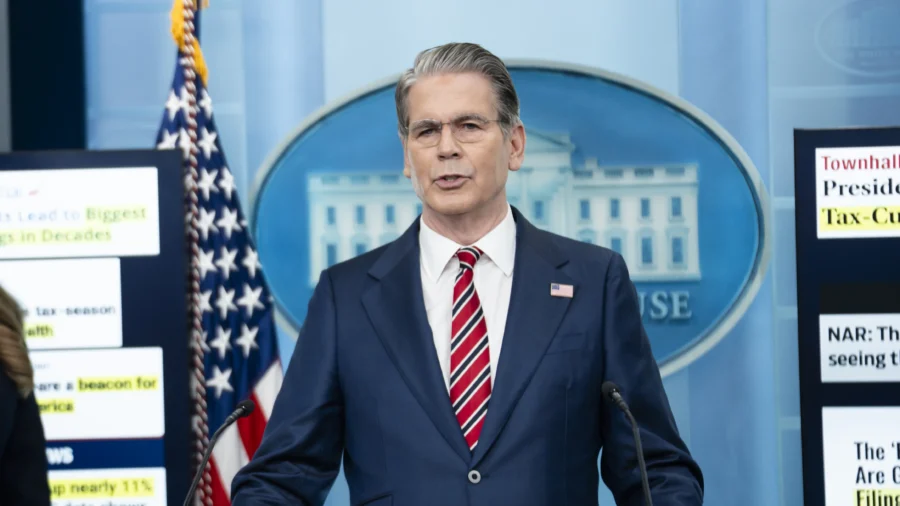
Treasury Secretary Scott Bessent said in a May 28 post on X that Washington “will not tolerate any effort to impose a tolling system in the Strait of Hormuz.”
“Oman, in particular, should know that the U.S. Treasury will aggressively target any actors involved— directly or indirectly—in facilitating tolls for the Strait and any willing partners will be penalized,” Bessent said.
Maritime Oversight
Iran announced the creation of the PGSA earlier this month amid growing tensions with the United States over sanctions enforcement and military activity in the region.Iran defined the PGSA zone of supervision to stretch from Kuh Mobarak in southeastern Iran to the southern coast of Fujairah in the United Arab Emirates (UAE) on the eastern side of the strait. It also covers the area from Qeshm Island to Umm al-Quwain in the UAE on the western side.
Beginning April 13, U.S. Central Command began blocking vessels entering or leaving Iranian ports. This includes ships traveling to or from Iranian ports in both the Arabian Gulf and the Gulf of Oman.
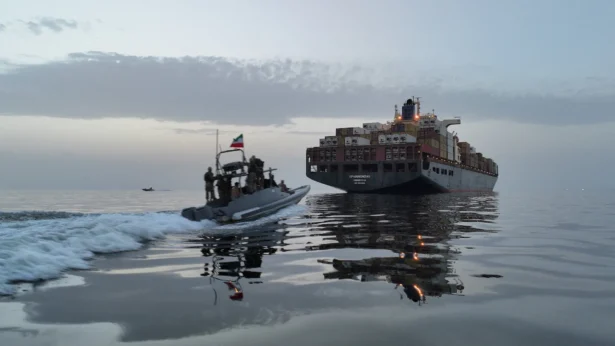
U.S. officials described the actions as “measured, purely defensive, and intended to maintain the ceasefire," as the Trump administration continues negotiations with Tehran.
Iranian Foreign Ministry spokesman Esmaeil Baghaei said over the weekend that negotiations included discussions on ending hostilities, lifting the U.S. blockade on Iranian ports, and addressing Iran’s nuclear program in later stages.
Trump also rejected suggestions that Iran could transfer its nuclear stockpile to Russia or China.