



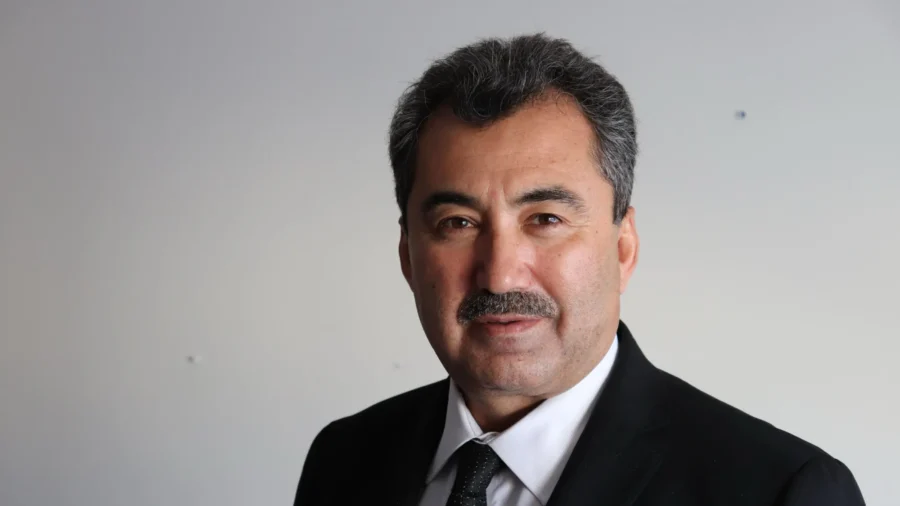
A prominent Uyghur scholar was detained and deported from Malaysia last month, in what rights advocates said illustrates how the Chinese regime silences its critics beyond its borders.
Abdulhakim Idris, a U.S. citizen, said he was stopped by Malaysian immigration officers upon arriving in Kuala Lumpur on the morning of March 29.
A man who identified himself as a Malaysian Royal Police officer informed Idris that he was denied entry and would be sent back to the United States, according to Idris’s account of the incident.
Idris described being interrogated for about five hours before being sent to a temporary detention center at the Kuala Lumpur airport, where he was held for 21 hours. At around 4 a.m. local time on March 30, he was put on a deportation flight. He only got his passport back while transiting in Istanbul.
Throughout the process, Idris said no explanation was given for his detention.
The organization that invited him to Malaysia told him the decision to deny him entry was made under pressure from Beijing.
“They informed me that my deportation was a direct request from Beijing,” Idris told The Epoch Times. Therefore, no one could “overturn the decision when they tried to stop my deportation.”
‘Wake-up Call’
Idris's experience in Malaysia has fueled concerns about the CCP's transnational repression, a campaign the Freedom House described as the “world’s most sophisticated and comprehensive.”His wife, Rushan Abbas, said what happened to Idris should serve as “a wake-up call” for the international community.
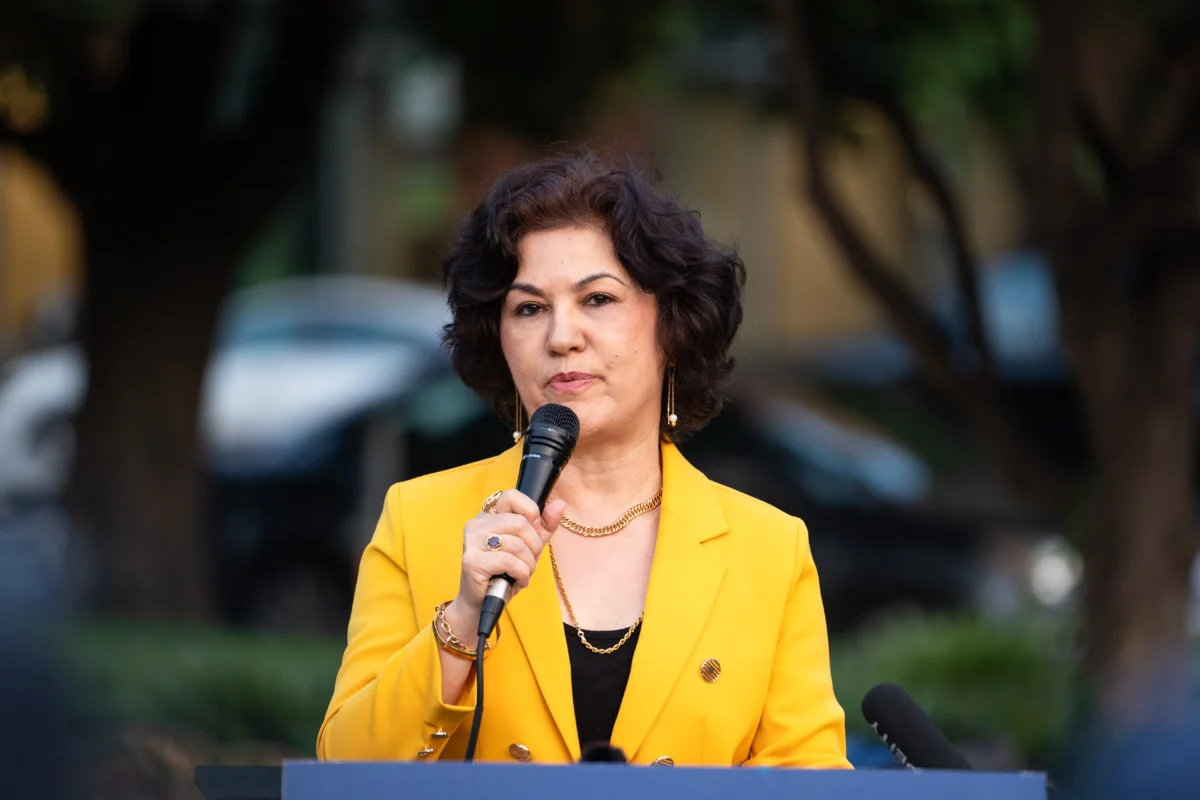
“Beijing successfully weaponized a third country to detain and expel a U.S. citizen,” Abbas, the executive director of the nonprofit Campaign for Uyghurs, said in an April 16 statement. “This poses dangerous consequences far beyond the Uyghur community.”
Adrian Zenz, a senior fellow at the Victims of Communism Memorial Foundation, a Washington-based nonprofit, denounced what happened to Idris as a “transnational repression at its most brazen” that demands “an unambiguous response.”
“If the international community allows this precedent to stand, no American advocate, journalist, or researcher operating abroad is safe from Beijing’s reach,” Zenz said in a statement on April 16.
Kazakhstan Cracks Down
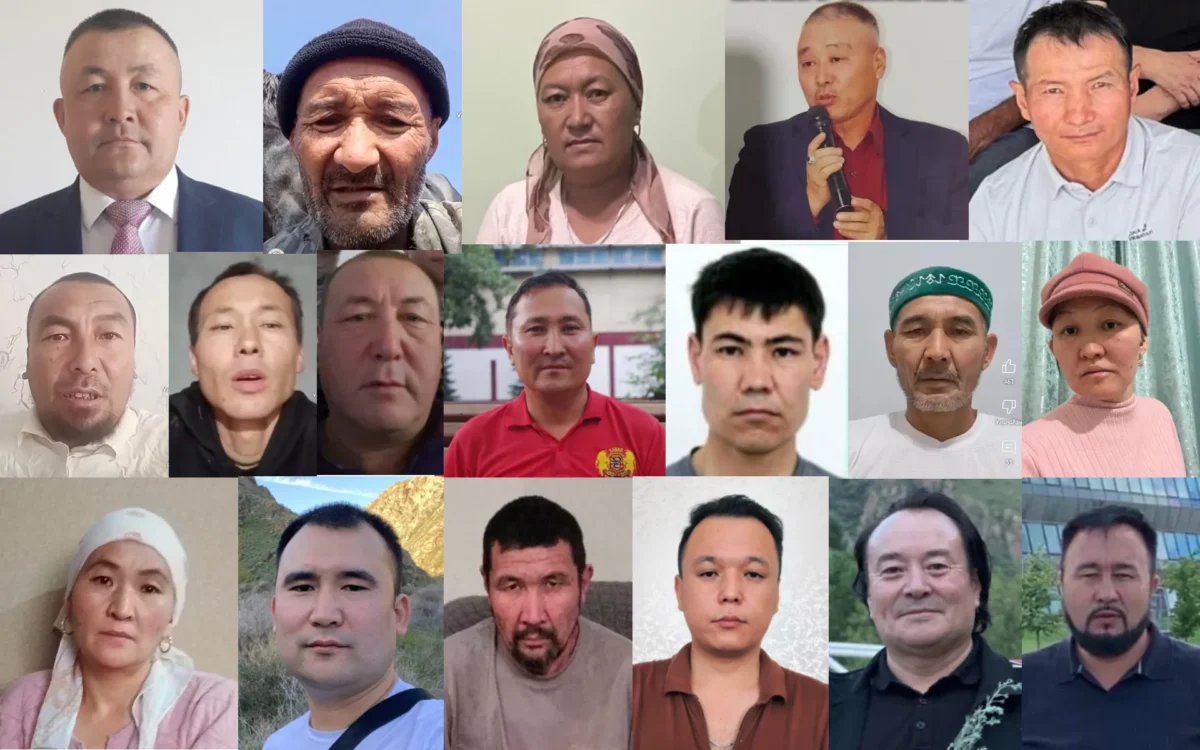
In a separate event earlier this week, a group of activists was sentenced to up to five years in prison in Kazakhstan for protesting against the human rights abuses in Xinjiang.Researchers and human rights advocates called the harsh sentence a direct result of the CCP's political pressure on its neighbor.
Yalkun Uluyol of Human Rights Watch said on X that the Kazakh authorities’ decision signaled that it's “willing to sacrifice the freedoms of its citizens in an apparent attempt to maintain increasingly cozy relations with Beijing.”
Marie Struthers, a Central Asia director at Amnesty International, denounced the ruling as “a travesty of justice” and “an affront to international human rights standards.”
“Authorities must quash their convictions and sentences,” Struthers said in a statement.
Freedom House documented more than 300 cases of transnational repression originating from China in 2025, according to its annual report released earlier this week.