


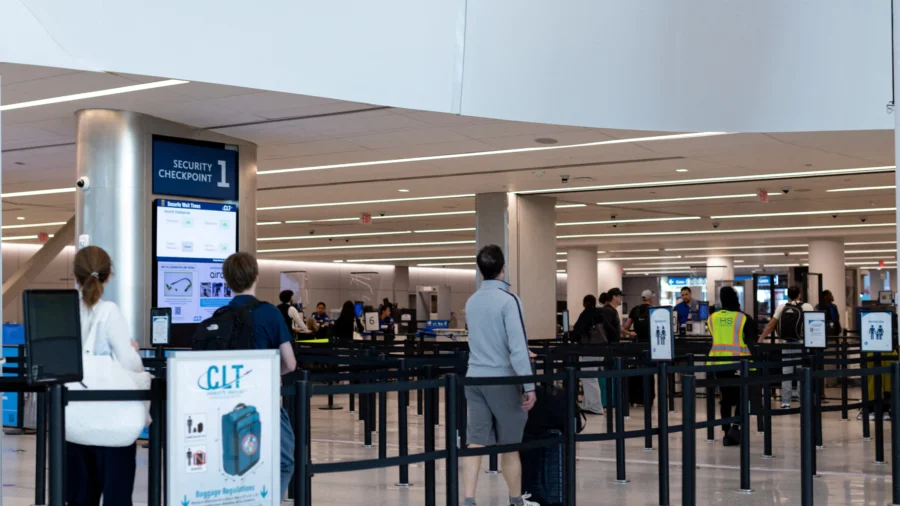
The United States has introduced Ebola-related travel restrictions, barring U.S. citizens and nationals who have visited the Democratic Republic of Congo (DRC) within the previous 21 days from entering the country via commercial aviation.
The restrictions represent the most recent measures to curtail the potential introduction of the deadly virus into the United States.
"Travelers who have been in the DRC within 21 days of their flight will not be allowed to board flights with U.S. destinations. All U.S. citizens and U.S. nationals who have been in the DRC should plan to remain outside the DRC for 21 days before entering the United States."
"If you travel and are exposed to Ebola, your life may be at serious risk. You may have to quarantine outside the United States at your own expense for up to 21 days and costs may be very significant. Your insurance may not cover these costs," the advisory adds.
Two Americans working with aid organizations have tested positive for the virus. One affiliated with Samaritan’s Purse was transported to a hospital in Germany for treatment, according to the organization's CEO Franklin Graham.
“We are contact tracing to determine if any further action needs to be taken to test or treat others. We have been working with the Centers for Disease Control and Prevention (CDC), the U.S. State Department, and the government of the DRC,” Graham said.
An administration official, speaking on condition of anonymity, told The Epoch Times that around 24 Americans had been set to fly home before the prohibition took effect. Many Americans in the DRC work with nongovernmental organizations or on international business.
The CDC has said that the chances of Ebola spreading to the United States are "very low," but the policy prioritizes prevention.
“The Trump Administration has no higher priority than the safety and security of Americans,” a State Department spokesperson said.
The agency reported receiving no Ebola-related assistance calls from Americans in the DRC over the past week.
The restrictions follow an updated order by Health Secretary Robert F. Kennedy Jr., highlighting evolving risk patterns in the outbreak, according to the official. The order, in effect for 30 days, has not been made public.
This approach differs from past U.S. responses to Ebola, in which citizens were typically allowed to return with monitoring. Former CDC official Dr. Daniel Jernigan, who spearheaded the 2014-2015 West Africa response, described the "do-not-board" policy for low-risk citizens as unprecedented.
"This change in policy risks shifting medical and public-health responsibility to third countries, it may encourage travelers to conceal itineraries or exposures, and it will make recruitment of American outbreak responders more difficult," Jernigan said.
The DRC's Ebola outbreak, one of the largest for the Bundibugyo strain or related variants, has hampered resources in conflict-affected areas. Health workers have been among those infected.