


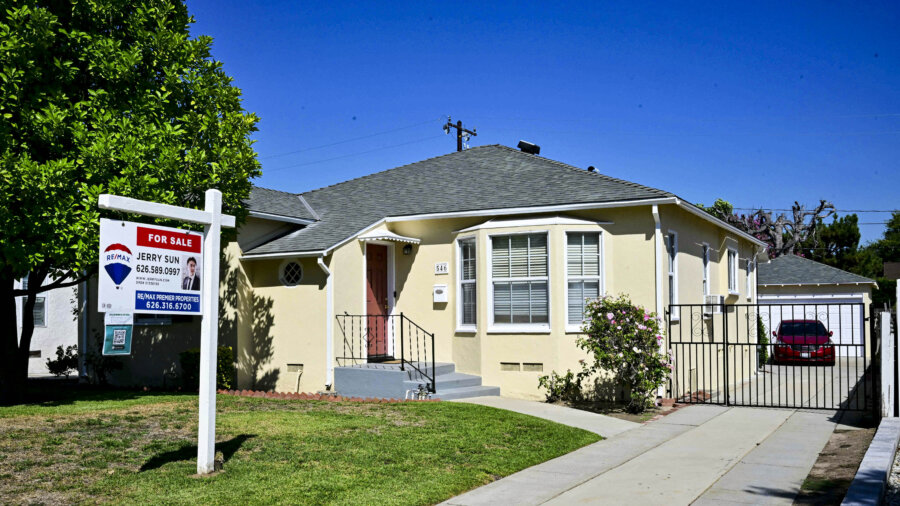
That split is creating an opportunity for first-time buyers. Zillow data shows starter home inventory is up. Also, price cuts were more common in that segment: 25 percent of starter homes (averaging about $220,000 in sales costs) reduced their asking price in June, versus just 20 percent of luxury homes.
Getting the Cash Together for a Starter Home
As the odds of landing a starter home improve for first-time homebuyers, it’s up to that cohort to have a strong down payment ready when opportunity comes knocking. Home financing experts advise taking these steps.Start Saving for a Down Payment as Early as Possible
The best first step to start saving for a home is simply to start.“It may sound silly, but I encounter countless younger people who want to buy a home but have nothing in reserve for emergencies or unexpected expenses, much less for buying a house,” Ashley Watters, a real estate agent with eXp Realty in Little Rock, Arkansas, told NTD.
Check With Your Employer on Savings Programs
Another tactic worth looking into is a 401(k) plan, if an employer offers one.“Workers should check with their plan administrator to see what options may be available for a first-time home purchase, Watters said.
Calculate Your Debt-to-Income Ratio First
Mortgage lenders typically weigh total monthly obligations against gross income, so a buyer can have a solid down payment and still be declined. “You’ll need to pull all three credit reports and dispute errors under the Fair Credit Reporting Act,” Nick Avila, founder at United Debt Relief, told NTD News.Then focus on your highest personal debts. “Attack high-interest revolving debt before aggressively stockpiling cash,” Avila said. “At an average 22.15 percent APR on cards assessed interest, paying that balance down is critical, as Experian estimates the average cardholder pays about $1,475 a year in interest. That is down payment money leaving the household.”
Target Your Affordability Number
With savings strategies in place, focus on a realistic homeownership number rather than an arbitrary savings target.“Buyers should estimate the likely purchase price, down payment, closing costs, moving expenses and an emergency reserve,” Kristina Morales, a mortgage loan officer and real estate agent at Loanfully in Cleveland, Ohio, told NTD. “Once you have that number, you can work backward into a monthly savings target.”
Morales also advises buyers not to assume you need 20 percent down to buy a home.
Work On a Test Mortgage
It’s also a good idea to conduct a “practice mortgage” before buying a home.Don’t Make These Mistakes
One of the biggest mistakes first-time homebuyers make when trying to land a first-time mortgage is focusing exclusively on the down payment and forgetting about everything else required to become a homeowner.“Buyers need to account for closing costs, moving expenses, immediate repairs, property taxes, insurance and an emergency fund,” Morales noted.
Another mistake is waiting until they are ready to buy to check their credit and understand their financing options. “Getting that information early gives buyers time to correct issues rather than discovering them when they're already shopping for a home,” Morales added.
Often, Morales also sees buyers set an unrealistically aggressive savings target that leaves them with no financial cushion. “Saving $30,000 for a down payment isn't helpful if buying the home leaves you with $500 in the bank,” she noted.