

Secret Service Director Sean Curran said the agency has already investigated about 10,000 threats in the first half of 2026—a 40 percent jump from the same period last year.
Speaking at a media briefing Wednesday, Curran described the current threat environment as “volatile” and the most challenging he has encountered in his career.
Curran said the Secret Service is changing how it responds to today's growing threats by improving threat assessments, working more closely with law enforcement partners, and expanding its use of counter-drone technology.
He said the agency is seeing threats from online activity, lone individuals, ideological beliefs, foreign actors, and people experiencing mental health crises. Instead of looking only for direct threats, the Secret Service also watches for concerning behavior that could signal someone may become dangerous before they carry out a threat.
Deputy Director Matt Quinn, speaking alongside Curran, also noted that drones represent a serious and evolving threat. The agency has expanded drone detection and counter-drone capabilities to protect the White House and other high-profile locations, Quinn said.
In June, a planned drone and sniper attack on the UFC mixed martial arts show at the White House was foiled. Eight men have since been indicted on murder and terrorism conspiracy charges for their alleged roles in orchestrating the planned attack.
The Secret Service's remarks come ahead of the White House Correspondents' Dinner, an event that has been rescheduled for July 24 after the original dinner in April was cut short.
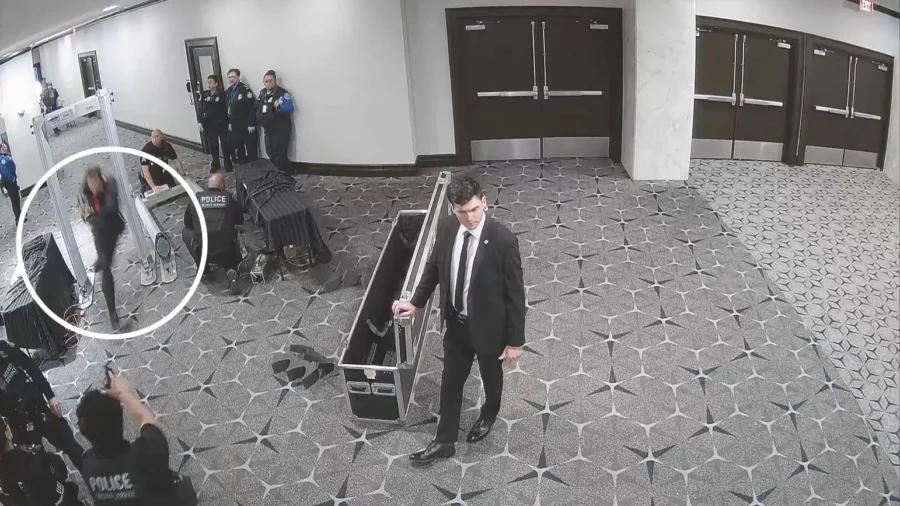
Curran defended the agency's security measures at the original event after an armed man breached a Secret Service screening checkpoint at the Washington Hilton. Curran said the incident showed the security plan worked as intended, noting that checkpoints are designed with the expectation that dangerous individuals may attempt to enter.
"That’s where it happened, and that’s where it ended," he pointed out, adding that the agency’s “system worked.”
He also noted that the upcoming rescheduled event is being treated as a new operation instead of a "redo." Every presidential visit receives a fresh security assessment because conditions and risks constantly change, Curran said.
Weijia Jiang, president of the White House Correspondents’ Association, previously stated that it would be a more intimate gathering with “significantly enhanced safety measures and new access procedures.”
President Donald Trump said he had been invited to return and speak and accepted the invitation, supporting the decision to reschedule the dinner and describing it as “a sign of Strength and Fortitude.”
During Wednesday's briefing, Curran pointed out that the Secret Service must constantly adjust to a shifting threat environment under each president.
“Every president is going to have different types of events. “This president happens to like large events,” he said.