

New Cyclospora Outbreak Under Investigation as FDA Seeks Source

The FDA said it has begun a traceback investigation, saying it is “linked to a not yet identified product.”
Published: 7/22/2026, 11:03:45 PM EDT
video poster
Trailer
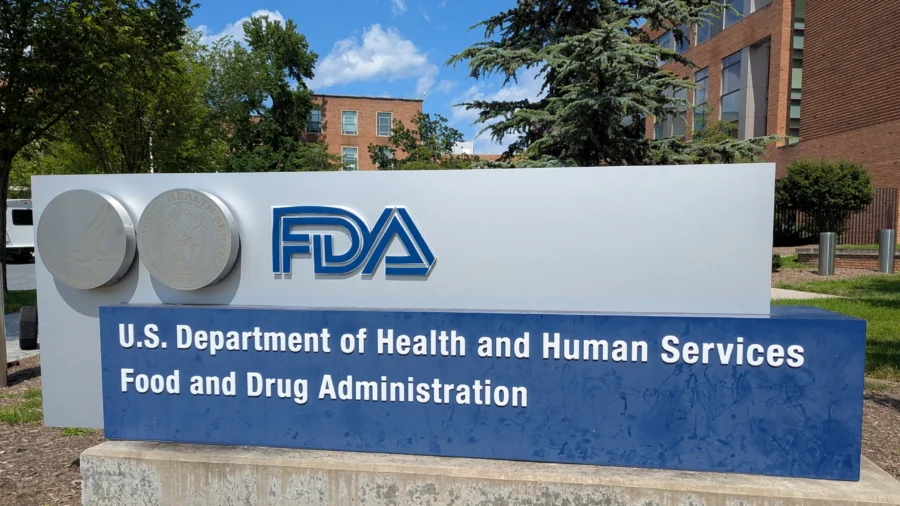
The U.S. Food and Drug Administration (FDA) has opened an investigation into a newly identified Cyclospora outbreak after 72 people became ill from an unknown source, adding another active investigation as health officials continue responding to a much larger multistate outbreak linked to recalled iceberg lettuce.

The new outbreak, identified by FDA outbreak reference No. 1392, was added to the agency's outbreak investigations table on July 22.

The FDA said it has begun a traceback investigation, saying it is “linked to a not yet identified product.”

The investigation comes as federal health officials continue responding to an earlier Cyclospora outbreak linked to shredded iceberg lettuce served in Indiana, Kentucky, Michigan, Ohio, and West Virginia.

That outbreak has sickened more than 1,644 people, hospitalized 94, and prompted a voluntary recall of iceberg lettuce sourced from central Mexico by Taylor Farms de Mexico.

On July 17, Taylor Farms recalled iceberg lettuce sourced from central Mexico. The recall includes lettuce sold in retail stores, served in restaurants, and distributed to food service customers.

On July 20, the FDA said that an imported lettuce sample initially reported as testing positive for Cyclospora was later determined to be a false positive after additional laboratory review, while adding that epidemiological evidence and traceback findings continue to point to shredded iceberg lettuce from Taylor Farms locations in central Mexico.

“To clarify, this false-positive lab sample DOES NOT change the basis for FDA’s ongoing outbreak investigation or the overwhelming epidemiological data supporting the current voluntary recall by Taylor Farms,” stated the FDA on a July 20 social media post in response to reports that it reversed the detection on Taylor Farm's lettuce.

However, Mexico said on Tuesday ​there was no evidence ​yet to suggest ⁠that lettuce sourced from it caused the outbreak in the United States.

The outbreak has also affected restaurant operators. Shares of Yum ​Brands (YUM.N), opens new tab, fell nearly 10 percent last week after reports linked Taco Bell ​to the ⁠spread of the illness, although analysts have said the impact on the chain's sales is unlikely to cause lasting damage. Taco Bell has since stopped using lettuce supplied ⁠by ​Taylor Farms.

What is Cyclospora?

Cyclospora is a microscopic parasite that causes the intestinal illness cyclosporiasis. People can get sick by eating food or drinking water contaminated with the parasite, according to the Centers for Disease Control and Prevention (CDC).

Symptoms usually start about one week after exposure, but can begin as soon as two days or as late as more than two weeks later. Common symptoms are watery diarrhea, loss of appetite, fatigue, nausea, stomach cramps, bloating, and weight loss. Without treatment, illness may last from several days up to a month or longer.

The CDC advises anyone experiencing symptoms to contact a healthcare provider and request testing for Cyclospora because routine stool tests do not always screen for the parasite.
Since May 1, the CDC has identified 4,173 laboratory-confirmed domestically acquired Cyclospora cases nationwide, and is reviewing thousands of additional reported illnesses that have not yet been laboratory-confirmed.
Cyclospora often gets onto crops through irrigation water contaminated with human waste in countries where the parasite is common, according to Stanford's School of Medicine.

Stanford Medicine recommends washing fresh produce under running water before eating or preparing it, but washing alone may not remove all Cyclospora since it can hide in nooks and crannies of fruits and vegetables.

Cooking produce to at least 158 degrees Fahrenheit (70 degrees Celsius) kills the parasite, according to the CDC.