


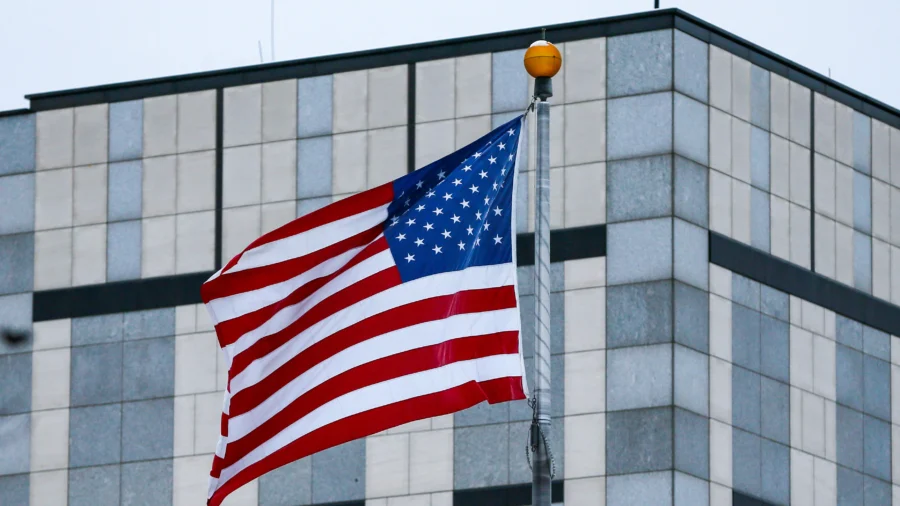
Eleven U.S. embassies across the Middle East have issued security alerts due to heightened tensions between the United States, Israel, and Iran.
This includes the U.S. embassies in Jerusalem, Baghdad, Amman, and the United Arab Emirates (UAE).
The alerts warn that American diplomatic facilities have been targeted amid the rapidly escalating military conflict.
U.S. officials have also urged Americans to exercise increased caution when considering travel to the Middle East, citing ongoing regional concerns.
Americans should be prepared for major changes to travel amid the rapidly escalating conflict.
Travelers already in the area or those planning to pass through affected regions are being advised to confirm the status of their flights directly with their airlines. Passengers whose travel plans have been disrupted should reach out to their carriers for the latest information on delays, cancellations, or alternative arrangements.
As tensions continue to rise, Gulf nations are strengthening their defenses and issuing updated security and travel advisories.
The United States has conducted additional strikes within Iran, targeting military-related infrastructure, including command centers, communications networks, drone capabilities, and maritime facilities.
In response, Iran has carried out retaliatory attacks across the region, with Iranian forces launching missile and drone strikes against U.S. positions and interests in several Gulf countries, including Bahrain, Kuwait, Jordan, and Iraq.
Earlier Friday, President Donald Trump wrote on Truth Social that the Iran-backed Houthis targeted Saudi Arabian ships on Thursday night after the group "acting very responsibly" during the U.S.-Israel conflict with Iran. Trump warned that "major military punishment" would be inflicted on Iran if it happens again.
Trump was later pressed on whether major strikes should be expected and if he has made a decision about the next military move.