


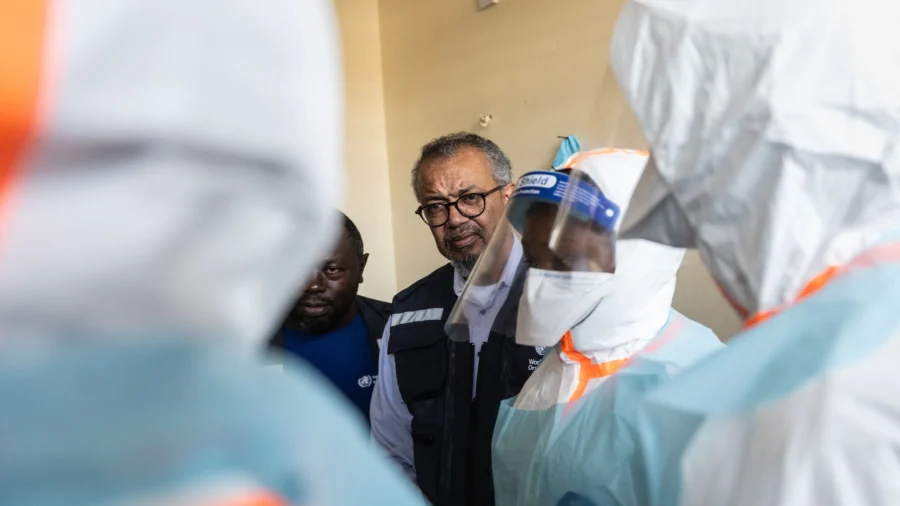
Five patients have recovered from a rare type of Ebola, the World Health Organization confirmed on May 31.
Four other patients who have recovered were scheduled for release on Sunday.
At least 43 people have died, and 263 patients currently have the strain in the Democratic Republic of Congo and Uganda as of May 30, according to the Africa Centres for Disease Control and Prevention.
More than 1,100 additional cases are being investigated for potential Ebola.
The deadly Bundibugyo strain has no approved treatment or vaccine, but doctors remain hopeful about the healing process.
“Of course, we’re still working on vaccines and treatments, but that doesn’t mean that people cannot recover from Ebola,” WHO Director-General Tedros Adhanom Ghebreyesus said on Sunday.
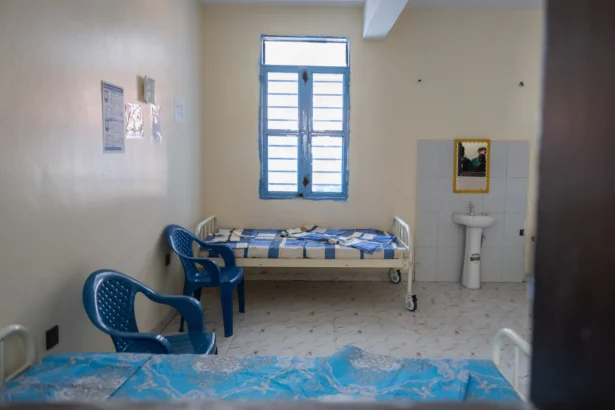
Tedros attended the opening of a new Ebola treatment center in Bunia, a city in the Democratic Republic of Congo.
“If you come to health facilities when you have symptoms, you can get the support and recover, so the key is to come forward as early as possible and to get the necessary support," Tedros added.
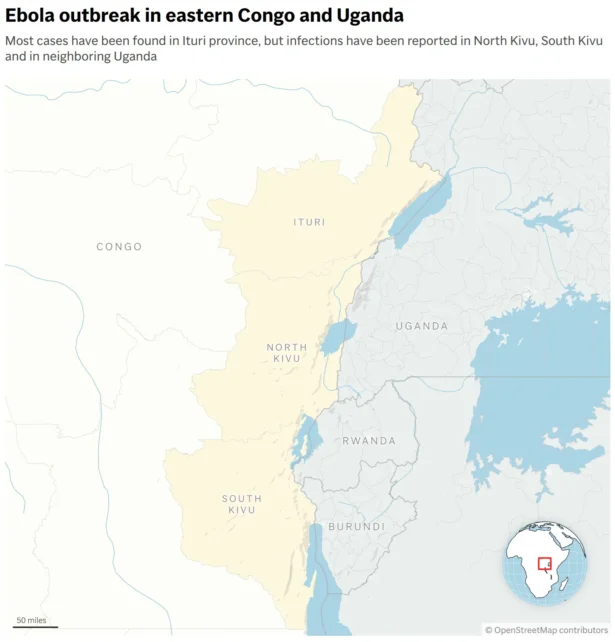
“With the symptomatic treatment that we are currently providing, we are seeing patients recover,” Pierre Akilimali, an incident manager at Congo's National Institute of Public Health, said.
Another doctor at the treatment center echoed Akilimali’s hope.
“The virus here is not as complicated as those we have dealt with in the past, and with the support of all our partners, we believe we will be able to bring this outbreak under control as quickly as possible,” Dr. Davin Ambitapio said.
“The only Exceptions are for authorized Ebola response teams, humanitarian operations, food and cargo transportation, and security under strict health screening and monitoring protocols,” Uganda’s Ministry of Health wrote in a statement.
During the Ebola outbreak between 2014 and 2015, doctors used convalescent plasma transfusions as an experimental therapy.
The therapy involved taking blood plasma from patients who had recovered from the virus and transfusing it into people who were newly infected, according to the National Library of Medicine.
The transfusions were aimed at providing the life-saving antibodies to the new patients.