


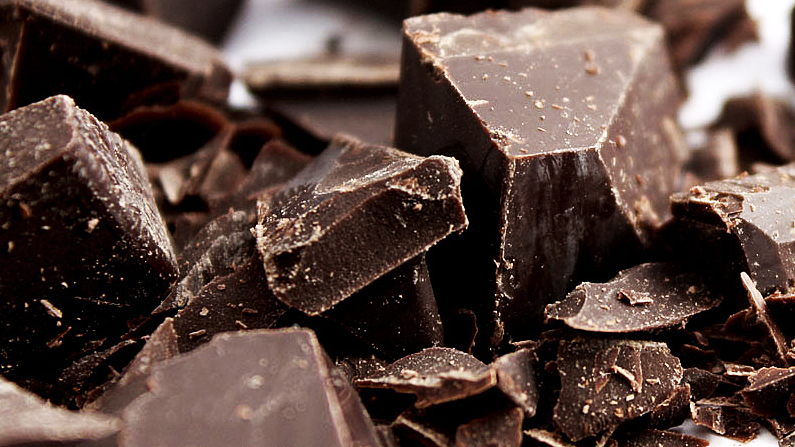
Eating dark chocolate could potentially slow the rate of aging due to a chemical found in the plant compound that comes from cocoa.
“Our study finds links between a key component of dark chocolate and staying younger for longer,” King’s College professor Jordana Bell told NTD. “While we’re not saying that people should eat more dark chocolate, this research can help us understand how everyday foods may hold clues to healthier, longer lives."
“If we compare individuals who had the lowest and highest levels of circulating theobromine, we observe that their biological ageing rate can differ by up to 1.5 years,” said Bell who is senior author of the research paper and an epigenomics professor.
The potential for dark chocolate to produce measurable effects on aging is exciting to Cape Crystal Brands founder and CEO Edmund McCormick however, he is also concerned about the impact of the sweet treat’s caffeine, sugar, and fat.
“To overcome these negatives of dark chocolate, I suggest that people consume high-quality dark chocolate that has a high cocoa content of at least 70 percent and lower sugar content, as well as to consume foods high in fiber,” McCormick told NTD.
The research also tested whether other metabolites in cocoa and coffee showed a similar link. However, they found that the effect seemed to be specific to theobromine.
"My recommendation would be to consume a minimum of 30 to 50 grams of dark chocolate per day for optimal results," McCormick added. "Any amount beyond this may be beneficial, but calorie consideration will also become a factor. Powdered cocoa supplements are another fantastic alternative especially when mixed into smoothies or hot cocoa."