


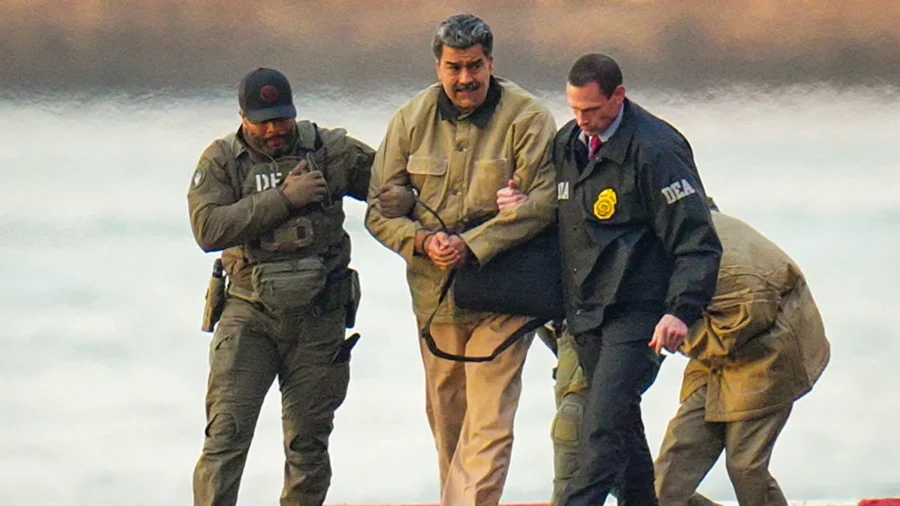
Argentina is requesting the extradition from the United States of ousted Venezuelan leader Nicolás Maduro, who was captured by the U.S. military in January and is facing federal charges in New York of narco-terrorism and conspiracy to import cocaine.
An Argentine judge made the request on Wednesday, accusing Maduro of committing crimes against humanity in overseeing the harsh suppression of protesters and political opponents during his presidency.
“The urgent translation of the international request and the documentation attached thereto is hereby ordered,” stated the warrant, signed by Argentine Federal Judge Sebastián Ramos.
'Universal Jurisdiction'
Filed in Buenos Aires in 2023 by human rights organizations, the case relies on the principle of universal jurisdiction, a legal concept that permits the prosecution in Argentina of anyone from any country who commits crimes such as genocide or terrorism anywhere in the world.One of the organizations that filed the case hailed the extradition request as an important symbolic milestone “for Argentina, for justice, and above all, for Venezuelan victims who dared to speak out.”
“Beyond this specific resolution, there remains the satisfaction of having stood up to the powerful, fiercely defending human rights,” wrote the Argentine Forum for the Defense of Democracy.
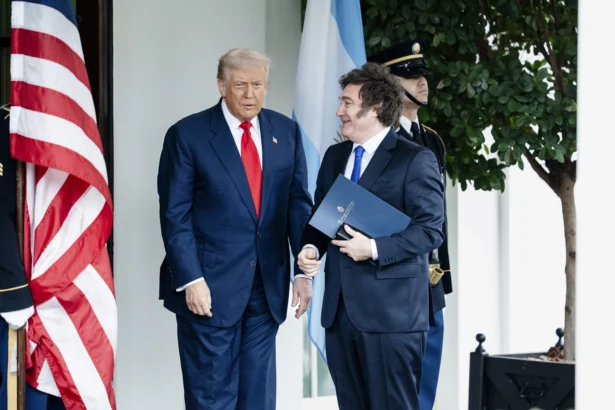
An Argentine court first issued an international arrest warrant for Maduro in 2024. The latest warrant cites the 1997 extradition treaty between the countries and references Maduro’s recent capture.
Milei Praised Capture
Argentina is one of just a handful of countries whose law permits the investigation of crimes against humanity cases beyond its borders, and has played a significant role in lawsuits ranging from atrocities committed by the military against Rohingya Muslims in Burma to the torture of dissidents under Franco’s dictatorship in Spain.“The Government of the Argentine Republic values the decision and determination shown by the President of the United States of America and his Government in the recent actions taken in Venezuela that resulted in the capture of dictator Nicolás Maduro, leader of the Cartel of the Suns, declared a terrorist organization by the Argentine Government on August 26,” the Argentine government said in a statement shared by Milei in the aftermath of the clandestine capture of the Maduros.
“Argentina trusts that these events represent a decisive step forward against the narco-terrorism affecting the region and, at the same time, open a new chapter that will allow the Venezuelan people to fully recover democracy.”
The Associated Press contributed to this report.