


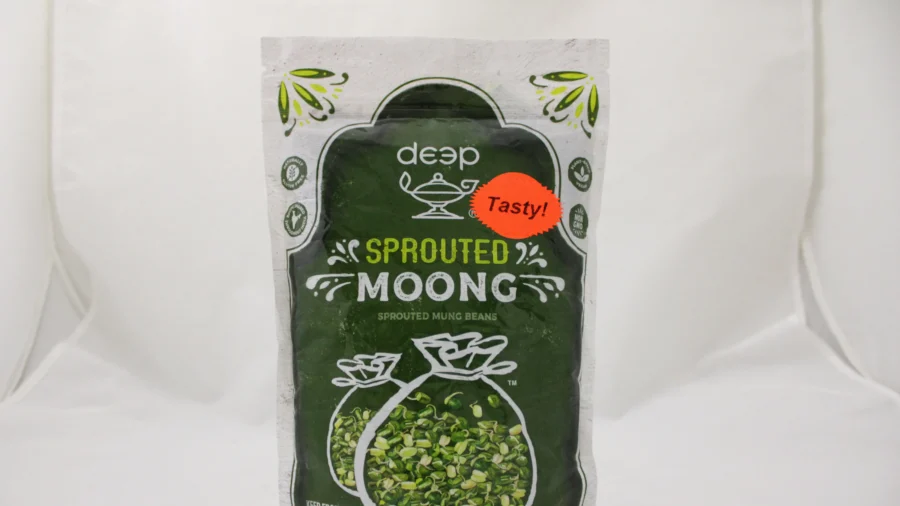
The U.S. Food and Drug Administration (FDA) announced this week that it is investigating eleven illnesses and four hospitalizations in connection with two types of frozen bean sprouts that occurred in 10 states.
"What stands out here is that the contamination was detected after distribution, which raises questions about the effectiveness of the company’s internal safety checks," Northeastern University professor, food safety expert, and Alliance for Recall Ready Communities adviser Darin Detwiler told NTD.
Company leaders did not respond to requests for comment by press time.
The FDA and the CDC, in collaboration with state and local partners, have launched an investigation.
“While the Chetak LLC Group has indicated they have not received reports of illnesses directly, the FDA and CDC’s investigation has linked these products to illnesses in this outbreak through laboratory and epidemiological evidence,” the FDA said.
Illnesses started on dates ranging from Oct. 22, 2024, to June 24, 2025.
The exotic food items had been distributed nationwide in retail stores and through mail orders.
The FDA said the illnesses and hospitalizations have so far been limited to Connecticut, Florida, Illinois, Massachusetts, Minnesota, New Jersey, Pennsylvania, Tennessee, Virginia, and Washington state.
“Sprouted mung beans, whether fresh or frozen, are considered a high-risk food by the FDA,” Registrar Corp president and FDA compliance expert David Lennarz told NTD. “They are high-risk because the conditions required for their growth also support the growth of pathogens, such as Salmonella and E. coli.”
Symptoms of salmonellosis include diarrhea, fever, and abdominal cramps.
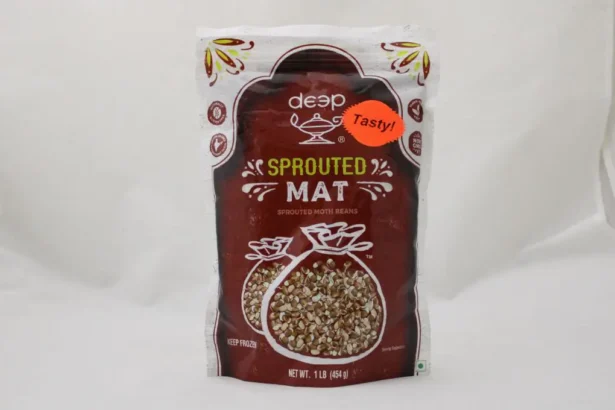
“Salmonella contamination of foods tends to reveal a huge breach in hygiene, though it could also indicate that water sources were improperly tested prior to distribution,” Agruss Law Firm consumer attorney and litigation partner Mike Bertucci told NTD. “It can even be the result of contamination somewhere in the supply chain."
For Deep-brand Sprouted Moong (Mung) in one pound packages, the lot codes printed on the back side of the bag are IN 24330, IN 25072, IN 25108, IN 24353, IN 25171, IN 24297, IN 25058, IN 25078, IN 24291, IN 25107, IN 24354, and IN 24292.
"Salmonella is especially dangerous because it doesn’t just make people sick," Detwiler added. "This pathogen sends thousands to the hospital every year and can be deadly, especially for the most vulnerable: young children, the elderly, and those with weakened immune systems."