


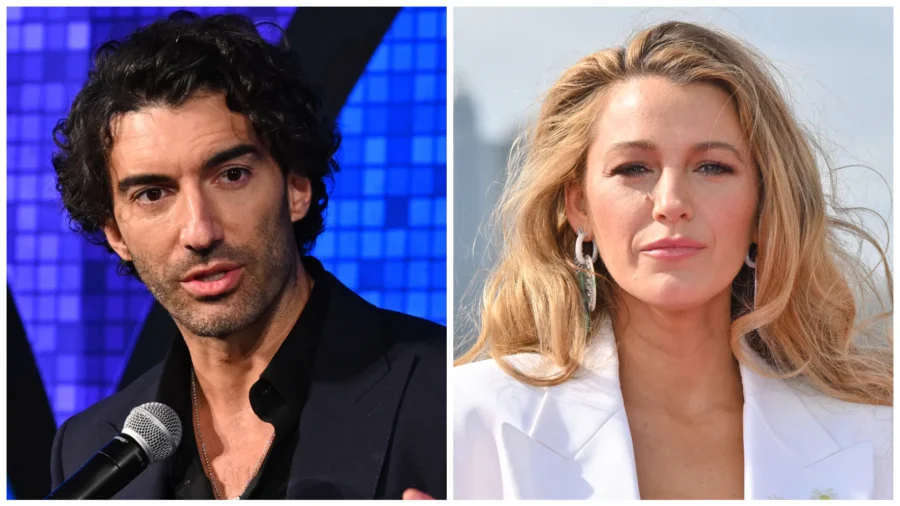
A federal judge has ruled that actress Blake Lively cannot refile her emotional distress claims against actor-director Justin Baldoni in the ongoing legal dispute stemming from the production of the film “It Ends With Us,” according to court documents filed on Tuesday.
Liman denied Lively’s request to dismiss her claims for intentional and negligent infliction of emotional distress without prejudice, meaning that she cannot refile those claims at a later time. The court’s order states that if the claims in the active case are not formally dismissed, Lively will be barred from offering any evidence of emotional distress in the case, unless permitted by the defendant.
"The parties shall stipulate to whether the dismissal is with or without prejudice, or Lively shall renew her request by formal motion," Liman wrote in an order issued on Tuesday.
The underlying lawsuit involves dueling allegations between Lively and Baldoni, who co-starred and co-produced “It Ends With Us.” Lively alleges that Baldoni sexually harassed her on set and that his production company retaliated against her, while the so-called Wayfarer Parties claim that Lively and her team orchestrated a smear campaign to damage Baldoni’s reputation.
In March, Lively asked the court to throw out Baldoni’s $400 million defamation countersuit, calling it a “vengeful” misuse of the legal system following her allegations of sexual harassment.
The recent ruling comes after weeks of escalating legal maneuvering between Lively and the Wayfarer Parties, which include Baldoni, his production company Wayfarer Studios, and several other associated defendants.
Lively had voluntarily agreed to withdraw her emotional distress claims on May 30, a move her attorneys said was made “in good faith to streamline the dispute in the ordinary litigation process given the damages she otherwise anticipates recovering,” according to filings.
“There is nothing for this Court to compel,” Lively’s attorneys wrote in a letter to the judge, arguing that there is nothing for the court to order because the Wayfarer Parties’ requests no longer matter after she dropped her emotional distress claims.
They further accused the defense of “desperately searching for an angle to make a show out of Ms. Lively’s decision to streamline her case” and of attempting to “launder their public relations narrative into the press by abusing the Court’s docket.”
The court’s order, issued on Tuesday, denied the Wayfarer Parties’ motion to compel Lively to produce such records, and also denied Lively’s request to have the court dismiss her emotional distress claims without prejudice, meaning she can no longer reignite such claims without Baldoni's permission.
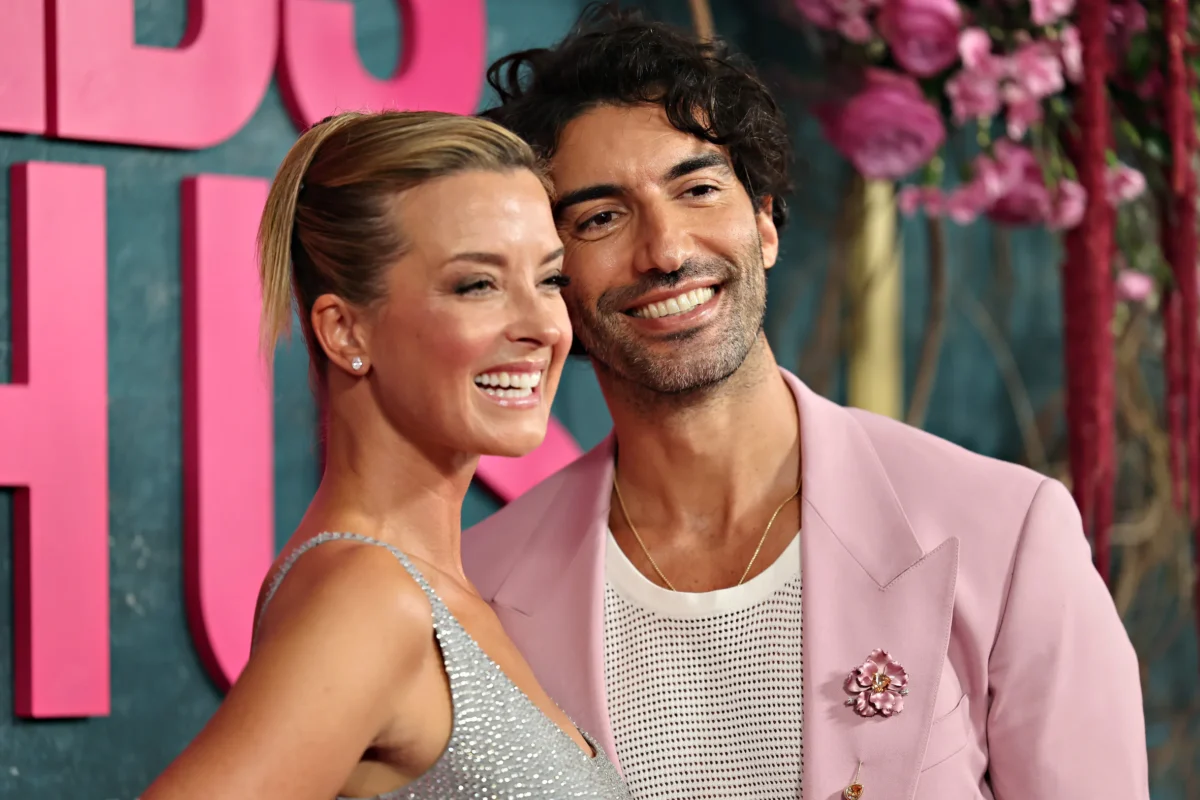
As of Tuesday, the parties have been instructed to reach an agreement on the terms of dismissal or for Lively to formally renew her request.
The dispute became public in December 2024 when Lively accused Baldoni of harassment and filed a complaint with the California Civil Rights Department. She later initiated a lawsuit in Manhattan federal court.
Baldoni countersued for $400 million, alleging that Lively, her husband and fellow actor Ryan Reynolds, their publicist, The New York Times, and others conspired to ruin his reputation and extort him.
Baldoni has claimed Lively attempted to hijack the film, which focuses on domestic violence themes, and blamed him for backlash stemming from her promotional strategies. He also filed suit against The New York Times over its Dec. 21, 2024 article “‘We Can Bury Anyone’: Inside a Hollywood Smear Machine,” which reported on the feud between Lively and Baldoni.