


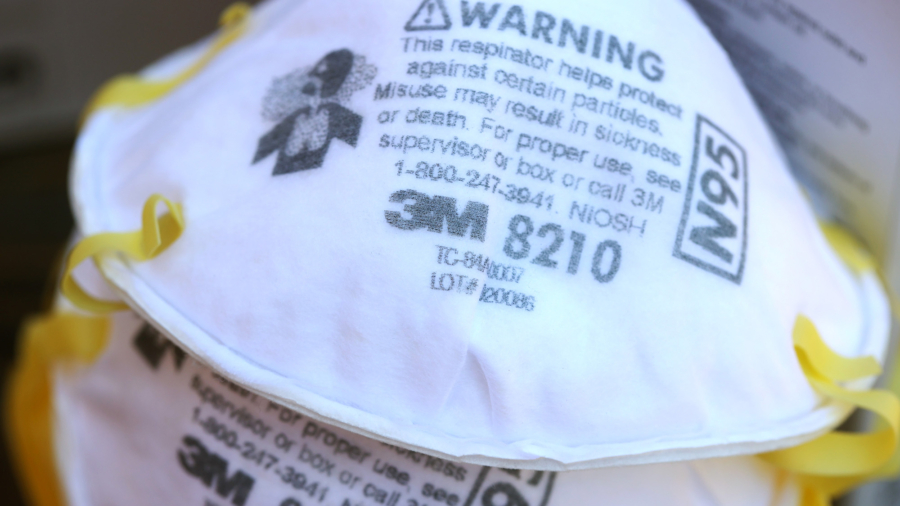
The U.S. Centers for Disease Control and Prevention (CDC) has updated its mask guidance on Friday, advising more Americans to wear masks such as N95 or KN95 masks, a type of respirators largely used by health care workers.
The federal health agency removed concerns it previously addressed that those kinds of masks are in short supply and should only be used by those in the medical sector.
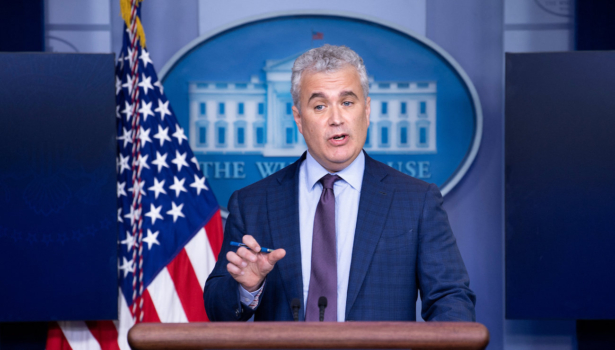
Zients added that N95 masks are currently "widely available" in the United States and the government "has a strong stockpile of over 750 million masks."
"One of the first things we did when we entered office was to significantly improve our manufacturing and stockpile of all PPE," he said.
Despite the change in the agency's mask recommendation, Walansky said that the CDC continues to advise Americans that any mask is better than no mask.
The latest CDC guidance notes that there is a special category of "surgical N95" masks that are specially designed for protection against blood splashes and other operating room hazards. Those are not generally available for sale to the public, and should continue to be reserved for health care workers, the agency said.
In an earlier update, CDC officials said disposable N95 masks could be used in certain situations if supplies allow it. The agency included being near a lot of people for extended periods of time on a train, bus, or airplane; taking care of someone in poor health; or being more susceptible to severe illness.
Compared to more commonly worn surgical masks or cloth face coverings, when worn properly, N95s fit more closely to the face and provide at least a 95 percent protection level against airborne viruses, according to the CDC.
"So, next week, we’ll announce how we’re making high-quality masks available to American people, the American people, for free," said Biden, who wasn’t wearing a mask while speaking inside the Eisenhower Executive Office Building in Washington on Jan. 13.
The Biden administration, which has been grappling with a surge in COVID-19 cases and hospitalizations in recent weeks, is responding by expanding access to COVID-19 tests and sending military medical teams to hospitals, among other initiatives.