


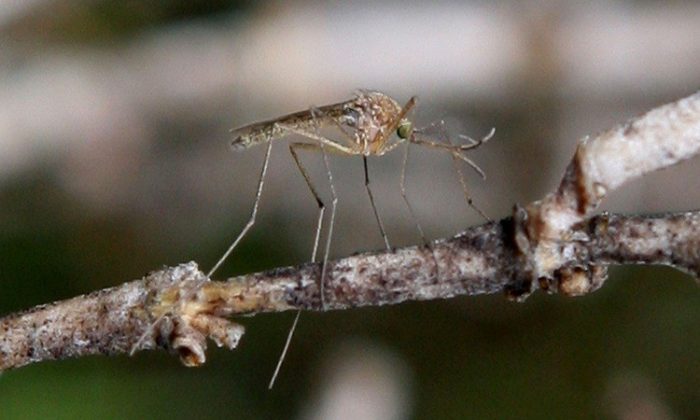
The United States is experiencing an unprecedented spike in human West Nile virus just as millions of Americans are planning outdoor festivities to celebrate the 250th annual 4th of July.
The West Nile virus is spread through mosquito bites and can cause mild to moderate symptoms like fever, headaches, body aches, joint pain, vomiting, diarrhea, a rash, and in some cases, meningitis or encephalitis.
Arkansas, California, Colorado, Florida, Hawaii, Nebraska, Oklahoma, Pennsylvania, and South Dakota each reported one case.
The CDC is seeing the earliest start to the West Nile virus season in the United States with the highest number of human disease cases reported by this time of year since 2004, according to the statement.
As of June 30, the CDC tracked 48 cases, whereas in previous years, the average was only 10 cases for the same time period.
Public health experts add that the surge is notable because 79 percent, or 38 of reported cases involve neurological disease when typically less than 1 percent of infected people report a neuroinvasive case.
"As families gather outdoors to celebrate Independence Day, we encourage everyone to enjoy their holiday while taking simple steps to protect themselves and their loved ones from mosquito bites,” Staples added.
There is no vaccine against West Nile virus, making prevention the only line of defense.
To reduce the risk of mosquito bites and subsequent West Nile virus infection, the CDC recommends using registered insect repellent, wearing protective clothing, avoiding being outside between dusk and dawn, which is when the mosquitoes that spread West Nile virus are most active, and installing screens on windows and doors.
The virus was first identified in Uganda's West Nile district in 1937 and reached the United States in 1999 when a strain linked to cases in Israel and Tunisia was detected in New York City and then spread across the entire continental U.S. in the years that followed.