


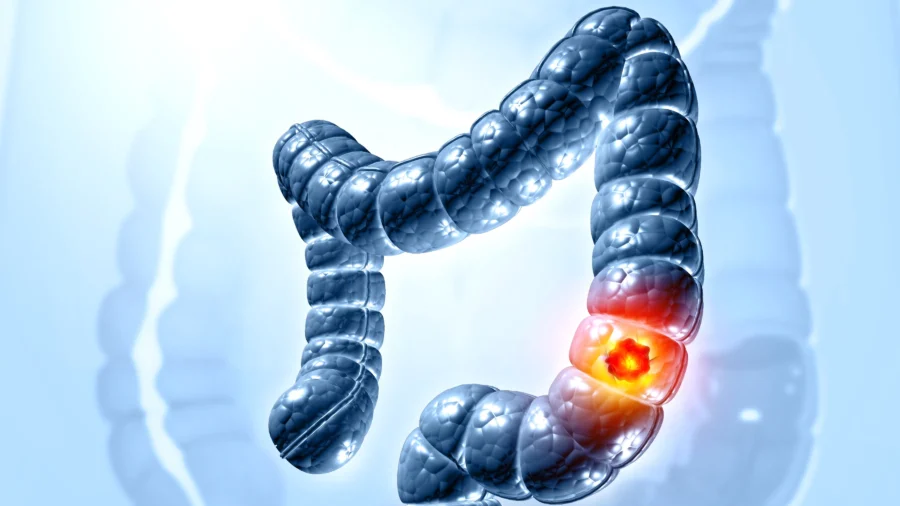
A new threat has emerged for Americans under age 50. While deaths from most cancers have plummeted over the past three decades, one disease is surging, claiming more young lives than any other malignancy.
A Decade of Decline, One Exception
According to the American Cancer Society study, overall cancer mortality for people under 50 dropped 44 percent between 1990 and 2023, plummeting from 25.5 deaths per 100,000 people to 14.2. The progress reflects major advances in treatment and prevention, with mortality from breast, lung, and brain cancers, as well as leukemia, all declining substantially during the most recent decade, researchers said in a press release announcing their findings.The statistics paint a sobering picture of mortality trends. From 1990 through 2023, a total of 1,267,520 Americans died from cancer before reaching age 50. During the 2014 through 2023 period, lung cancer mortality fell by 5.7 percent annually, leukemia by 2.3 percent, breast cancer by 1.4 percent, and brain cancer by just 0.3 percent. Only colorectal cancer bucked this trend, climbing steadily upward.
The Screening Blind Spot
Three in four people diagnosed with colorectal cancer before age 50 already have advanced disease, according to Rebecca Siegel, MPH, senior scientific director of surveillance research at the American Cancer Society and lead author of the report.A Diet Connection Emerges
Researchers at Mass General Brigham may have identified a major culprit: ultra-processed foods. In a study published in JAMA Oncology on Nov. 13, 2025, scientists analyzed nearly three decades of dietary data from almost 30,000 women and discovered a correlation between processed food consumption and precancerous colorectal growths in younger patients.According to the research, women who consumed the highest levels of ultra-processed foods—averaging 10 servings daily—faced a 45 percent elevated risk of developing conventional adenomas, the polyps that frequently precede early-onset colorectal cancer, compared to those consuming the lowest amounts, around 3 servings daily.
The study participants, drawn from the Nurses' Health Study II, consumed an average of 5.7 servings of ultra-processed foods daily, accounting for 35 percent of their total daily calories—slightly below the national average for Americans. Ultra-processed foods typically contain elevated levels of sugar, salt, saturated fat, and food additives, and their consumption has risen alongside the spike in early-onset cases.
"The increased risk seems to be fairly linear, meaning that the more ultra-processed foods you eat, the more potential that it could lead to colon polyps," according to Dr. Andrew Chan, chief of the Clinical and Translational Epidemiology Unit at Mass General Brigham and senior author of the study.
Incomplete Picture, Ongoing Investigation
According to Dr. Chan, "Diet isn't a complete explanation for why we're seeing this trend—we see many individuals in our clinic with early onset colon cancer who eat very healthy diets."The data in the latest study from the American Cancer Society reveals that people aged 45 to 49 account for half of all colorectal cancer diagnoses in those under 50, suggesting that even modest expansions in screening could identify disease at more treatable stages.
According to Lisa Lacasse, president of the American Cancer Society Cancer Action Network, the advocacy affiliate of the American Cancer Society, "This research underscores the urgent need to protect and expand access to care, especially at a time when increasing health care premiums and cuts to prevention and screening programs threaten to reverse our progress and undo the gains we have achieved."
The research employed data from the National Center for Health Statistics as provided by the Surveillance, Epidemiology, and End Results program at the National Cancer Institute, tracking mortality trends from 1990 through 2023.