


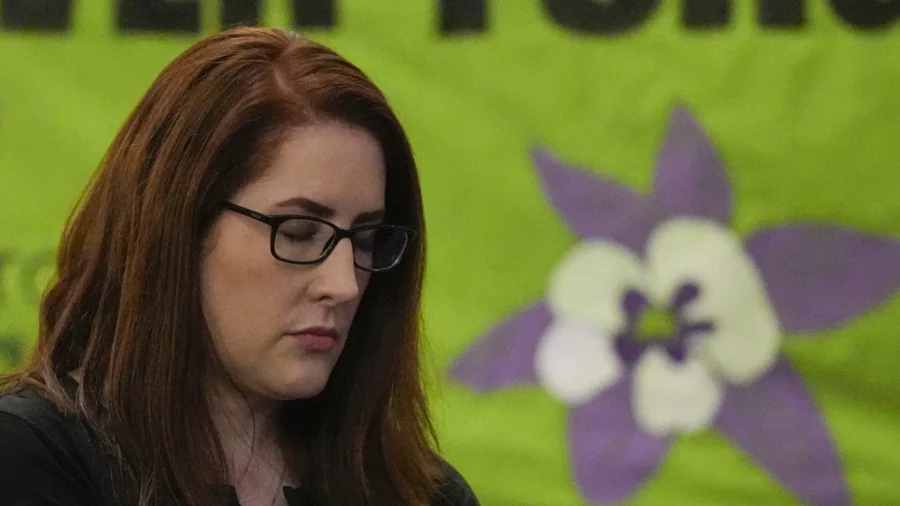
Anne Marie Hochhalter, who was left partially paralyzed in the 1999 Columbine High School shooting, passed away at the age of 43.
Hochhalter was found deceased in her suburban Denver home on Sunday.
While the coroner’s office has yet to determine an official cause of death, Hochhalter’s family believes she died of natural causes related to injuries from the shooting.
Over the years, Hochhalter had found strength through bonding with another family devastated by the tragedy.
“My wounds were the worst ones the doctors saw that day,” Hochhalter shared on Facebook two years ago. “They still don’t know how I survived, and I don’t either.”
Narrowly Saved from Death
The Columbine High School shooting occurred on April 20, 1999, in Colorado, when two 12th-grade students killed one teacher and 12 students, while injuring an additional 21 people, before killing themselves.Hochalter survived by a miracle—several miracles in fact.
First, a pipe bomb was thrown at her but landed where it couldn’t hurt her. Later, the two killers fired at nearby propane tanks—which miraculously didn’t explode. According to police, that would have demolished the entire school building.
“When I was dying on the sidewalk, I was suddenly in a tunnel surrounded by brilliant golden white light crossing over to the other side,” Hochhalter recalled.
Then, a paramedic showed up and scooped her up, prompting the killers to open fire from the library windows while she was carried into the ambulance.
At the hospital, the surgeon, a former army medic experienced in treating “war wounds” in the Gulf War, saw that she was shot in the vena cava and about to die. Right away, he began opening her chest in the emergency room. With another surgeon holding his finger on the gushing hole in her heart artery, she was rushed into the operating room.
Hochhalter sustained severe damage to her liver, lungs, diaphragm, and spine—and trauma from experiencing the cruel, senseless horror of the event.
Spiritual Healing and Forgiveness
But the trauma she endured did not stop Hochhalter from becoming a beacon of forgiveness and healing. In 2016, she made headlines for writing a heartfelt letter to Sue Klebold, the mother of one of the Columbine gunmen.“It's been a rough road for me, with many medical issues because of my spinal cord injury and intense nerve pain, but I choose not to be bitter towards you,” Hochhalter wrote. “A good friend once told me, ‘Bitterness is like swallowing a poison pill and expecting the other person to die.’ It only harms yourself. I have forgiven you and only wish you the best.”
Last year, on the 25th anniversary of the Columbine tragedy, Hochhalter attended a memorial vigil alongside her brother, Nathan, who had been trapped in a classroom during the shooting.
“I’ve truly been able to heal my soul since that awful day in 1999,” she wrote.
“It’s so interesting, everyone’s grief and healing journey is completely different. It ebbs and flows, triggered by certain moments, taking us back to memories we once thought were frozen in time.”
She shared how the event stirred happy memories from being a teenager at school, mundane things like music videos, sports, and sleepovers at friends' houses.
“It’s like my heart has wanted to flood my mind with happiness instead of trauma.”
She also shared finding closure for the question that plagued her for many years—why she survived, while others didn’t.
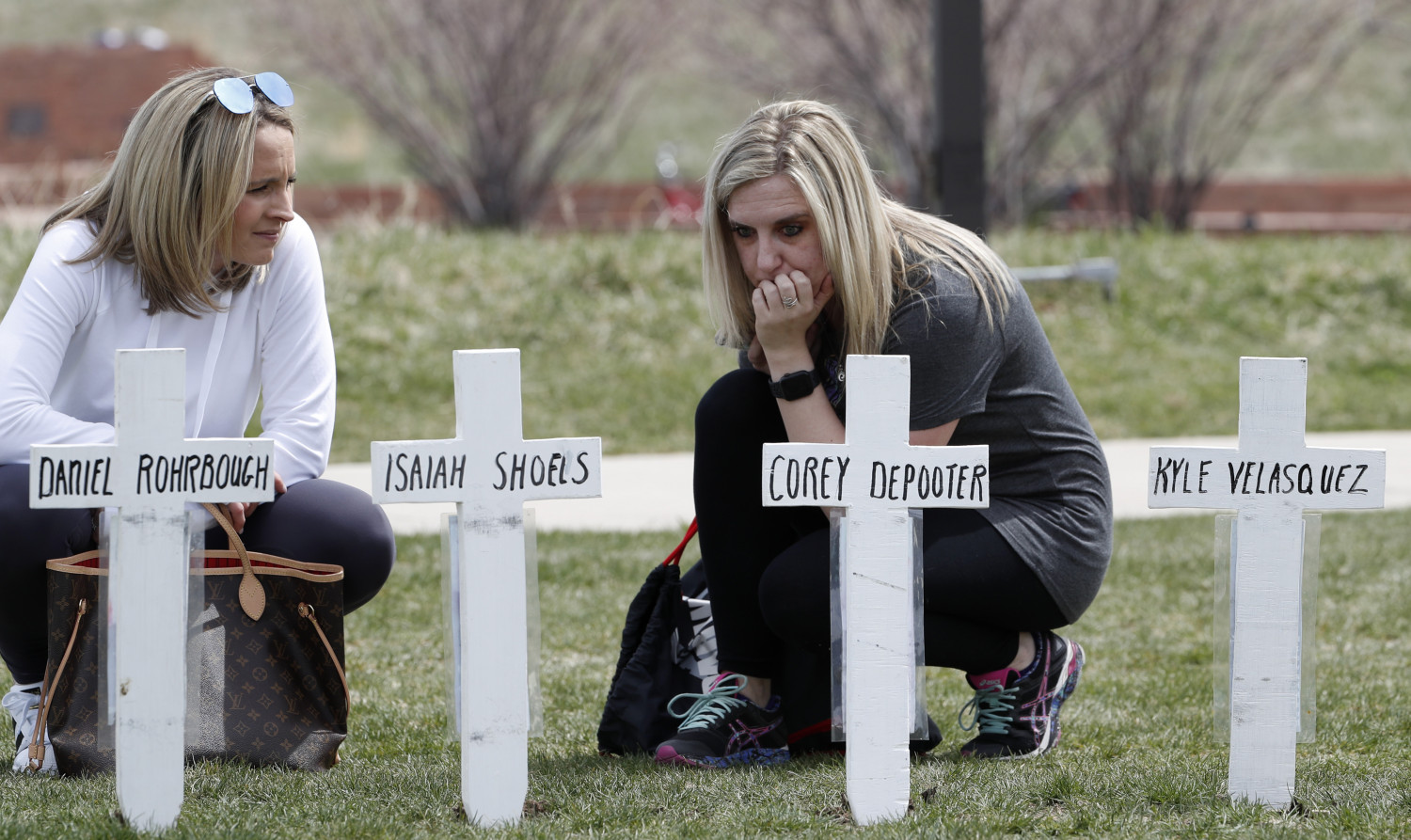
“I still feel sadness at the loss of the 13 people who died that day, but I felt their presence at the vigil,” she said. “When the song 'Over the Rainbow' started playing, I looked at the empty chairs and suddenly felt all of them sitting there, with smiles on their faces, wanting us to remember the good times.”
Helpful Souls
Hochhalter’s trauma was compounded six months after the shooting, when her mother went into a pawnshop, and asked to look at a gun before using it on herself.In the wake of this tragedy, another family impacted by the shooting reached out to her.
The Townsends, who had lost their daughter Lauren in the Columbine shooting, stepped up to help the wheelchair-bound Hochhalter to doctor’s appointments and physical therapy. Their bond soon deepened as they got lunch and went shopping together and eventually began sharing family dinners and vacations, eventually considering her their “acquired daughter.”
“This relationship would never have happened if it weren’t for Columbine,” Sue Townsend reflected. “But I choose to focus on the gift Columbine gave us in Anne Marie, instead of what it took away.”
In 2016, when Sue Klebold published a memoir about her son and the mental health struggles that contributed to the tragedy, Hochhalter acknowledged Klebold's decision to donate the proceeds of the book to help those with mental illness.
“The shootings didn't directly cause her to do what she did, but it certainly didn't help.”
Hochhalter’s brother Nathan said his sister was tireless in her drive to help others—from people with disabilities to rescue dogs and members of her family.
“She was helpful to a great many people. She was really a good human being and sister,” he said.