


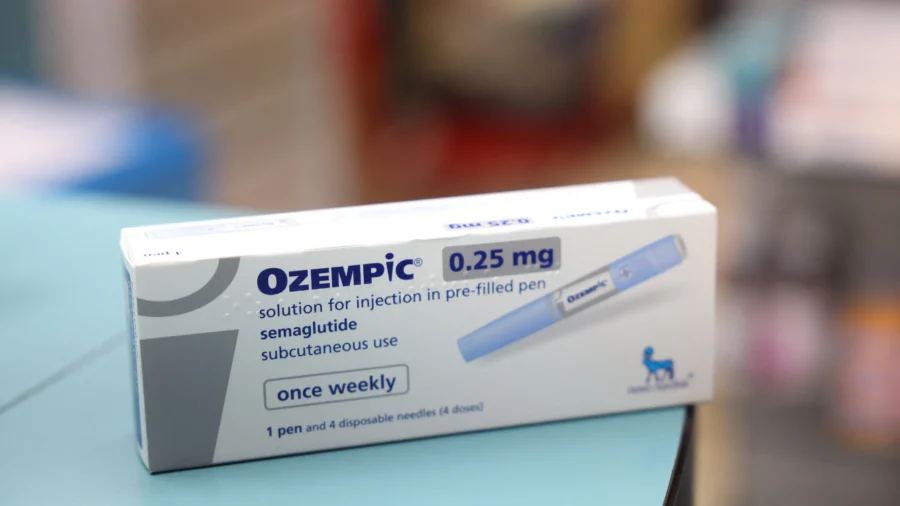
Standing before a crowd of seniors at The Villages in Florida on May 1, President Donald Trump made a statement that sent applause rolling through the room: starting July 1, Americans on Medicare will be able to get popular weight-loss drugs like Ozempic and Zepbound for just $50 a month.
The announcement puts a presidential spotlight on a program that was quietly set in motion weeks earlier by the Centers for Medicare & Medicaid Services (CMS)—a temporary initiative called the Medicare GLP-1 Bridge, which is designed to give Medicare beneficiaries access to a class of drugs known as GLP-1s that are used to treat both obesity and diabetes.
GLP-1 medications—glucagon-like peptide-1 receptor agonists—have surged in popularity in recent years, but their list prices have put them out of reach for millions of Americans. Medicare has generally not covered these drugs when prescribed for weight loss, leaving a large gap for seniors who could benefit from them.
That longer-term solution—a program called the BALANCE Model, short for Better Approaches to Lifestyle and Nutrition for Comprehensive hEalth—had been expected to launch in January 2027. But CMS announced in late April that the BALANCE Model rollout would not proceed as planned, citing the need for additional time to evaluate the program's structure. In the meantime, CMS extended the Bridge program through the end of 2027 to fill the gap.
According to the Obesity Action Coalition, details about enrolment and the approval process are still being finalized, with more information expected from CMS in the coming months.
The advocacy group called the program "a meaningful step toward improving access to obesity care," while cautioning that it "will work differently than typical Medicare prescription coverage."
The drugs Trump named—Ozempic, Zepbound, and Wegovy—have become household names in the national conversation about weight loss, and making them accessible at $50 a month marks a major shift for seniors who have been paying hundreds or thousands of dollars out of pocket.