


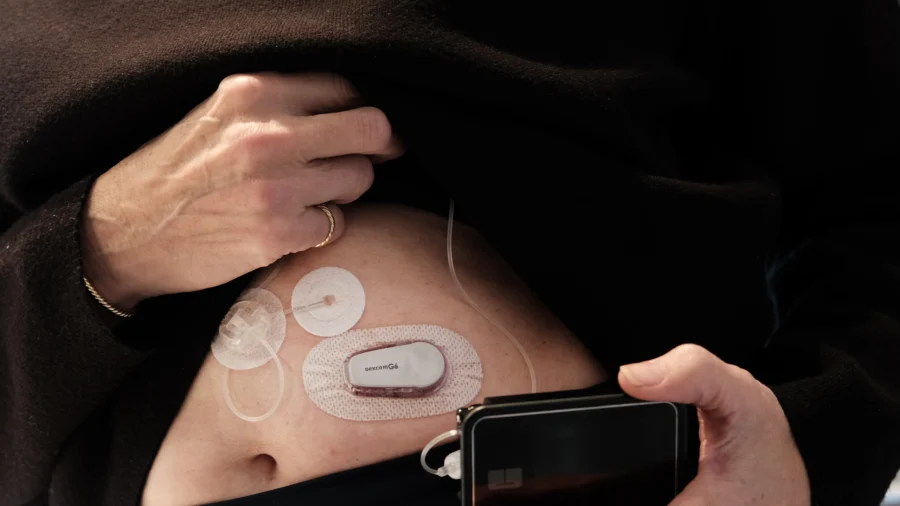
The company announced a medical device correction for specific lots of Omnipod 5, Omnipod DASH, and Omnipod Insulin Management System, also known as Omnipod Eros, distributed in the U.S. and select international markets. The FDA published the notice on May 26.
The devices are intended to deliver insulin under the skin, a process known as subcutaneous delivery, where the medication is absorbed into the bloodstream to help control blood sugar levels in people with diabetes.
“Insulet identified that some Pods from specific lots may have a small tear in the tubing (cannula) just above the skin, between the Pod and the point where the cannula enters the body,” it stated.
“If this occurs, insulin may leak outside of the Pod instead of being fully delivered into the body as intended, potentially leading to under-delivery of insulin,” the company announcement said.
The company said about seven million pods are affected by this needed correction, although about 60 percent have already been used or have expired. The affected devices account for about 8.5 percent of global Omnipod pod production in 2025.
In severe cases, prolonged high blood sugar can lead to diabetic ketoacidosis, or DKA, a potentially life-threatening condition that requires immediate medical treatment.
“Globally, there have been 24 reports of serious adverse events associated with high blood glucose levels, including hospitalization and DKA. There have been no deaths reported,” the company said.
Users may notice wetness on the skin or around the pod's adhesive area, or smell leaking insulin, according to the company. However, the problem may not be noticeable.
The defect was discovered during ongoing product monitoring, according to Insulet. The company said it has identified the manufacturing cause and implemented corrective actions and additional quality control measures to prevent similar problems.
“Insulet is communicating proactively with affected customers and providing clear instructions to help them identify affected lots, discontinue use of impacted Pods, and obtain replacement Pods at no cost,” stated the announcement, adding that Insulet “has sufficient supply available to replace affected Pods and does not anticipate any disruption to product availability.”
The issue does not affect continuous glucose monitoring systems or glucose readings, according to the company.
There was also an earlier separate issue in March involving some Omnipod 5 pods, and the company said this is a new announcement and correction involving different batches of Omnipod pods.