


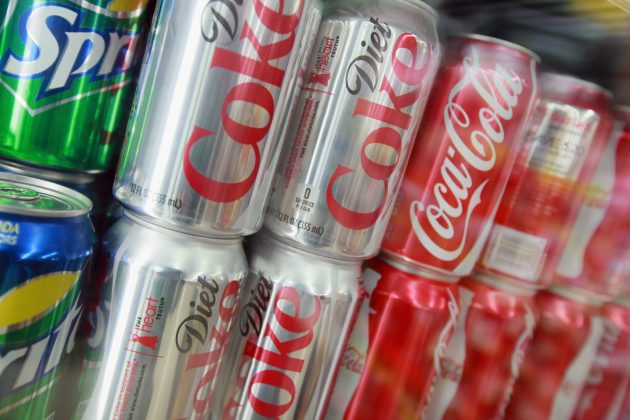
New research has found that both regular and diet sodas significantly increase the risk of a common liver condition, challenging widespread beliefs that artificial sweeteners are a healthier alternative.
The research, presented Tuesday at UEG Week 2025 in Berlin, Germany, found that people who drink more than one cup of either sugar-sweetened or artificially sweetened beverages daily face up to a 60 percent higher chance of developing metabolic dysfunction-associated steatotic liver disease.
The findings showed similar results for both drinks. Researchers found that consuming more than 250 grams per day of artificially sweetened drinks raised liver disease risk by 60 percent, while the same amount of sugar-sweetened beverages increased risk by 50 percent.
Over the study's median follow-up period of 10.3 years, 1,178 participants developed the liver condition and 108 died from liver-related causes. The study found that artificially sweetened drinks were also linked to higher rates of liver-related deaths, though no connection was drawn for sugary beverages.
The liver disease examined in the study was formerly called non-alcoholic fatty liver disease. Such condition occurs when fat builds up in the liver, potentially causing inflammation and symptoms including pain, tiredness and loss of appetite over time.
The disease affects more than 30 percent of people worldwide and represents the most common chronic liver disease, with rapidly increasing death rates, according to researchers in the study.
"SSBs have long been under scrutiny, while their 'diet' alternatives are often seen as the healthier choice. Both, however, are widely consumed and their effects on liver health have not been well understood," said lead author Lihe Liu, a graduate student in the department of gastroenterology at the First Affiliated Hospital of Soochow University, in Suzhou, China.
Liu noted the surprising finding that artificially sweetened drinks carried greater risks than those with sugar.
"Our study shows that LNSSBs were actually linked to a higher risk of MASLD, even at modest intake levels such as a single can per day. These findings challenge the common perception that these drinks are harmless and highlight the need to reconsider their role in diet and liver health, especially as MASLD emerges as a global health concern," Liu said.
The study explored possible reasons behind such results. According to Liu, sugar-sweetened drinks can cause rapid blood sugar and insulin spikes, promote weight gain, and increase uric acid levels, all contributing to liver fat buildup.
Artificially sweetened beverages may harm liver health differently. "LNSSBs, on the other hand, may affect liver health by altering the gut microbiome, disrupting the feeling of fullness, driving sweet cravings and even stimulating insulin secretion," Liu said.
The research offered hope through a simple solution. Replacing either type of beverage with water significantly reduced liver disease risk by 12.8 percent for sugar-sweetened drinks and 15.2 percent for artificially sweetened ones. On the other hand, switching between the two drink types provided no health benefits.
"The safest approach is to limit both sugar-sweetened and artificially sweetened drinks. Water remains the best choice as it removes the metabolic burden and prevents fat accumulation in the liver, whilst hydrating the body," Liu said.
The research team plans to continue investigating how sugar and artificial sweeteners interact with gut bacteria and influence liver disease through long-term, randomized, and genetic studies.