

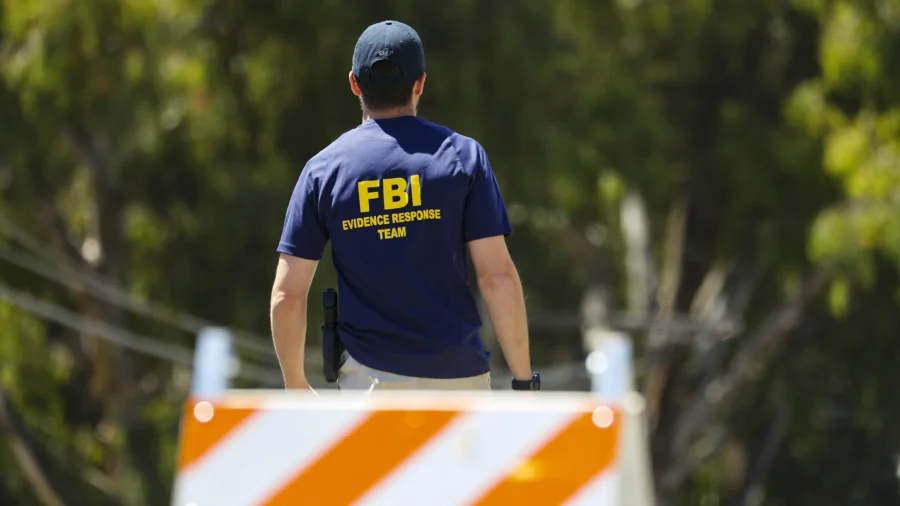
The Department of Justice (DOJ) and the FBI will increase support for tribal law enforcement under Operation Not Forgotten 2026, focusing on unresolved cases on tribal land, the DOJ said on April 2.
The FBI will work with U.S. Attorneys’ Offices, the Bureau of Indian Affairs Missing and Murdered Unit, the Bureau of Alcohol, Tobacco, Firearms, and Explosives, as well as tribal and other federal law enforcement agencies across multiple territories to investigate cases and find resolution for victims and their families.
Cases involving violence against women and children, including those who are missing or murdered, are the highest priority, according to a news release from the DOJ.
The department said that Operation Not Forgotten is “a comprehensive surge of resources to address a wide range of violent crime threats, including gangs and criminal enterprises, violent crimes against children, and fugitive apprehension cases, while working to improve public safety measures impacting Tribal communities.”
This marks the fourth year of the operation.
“This surge will comprehensively address Indian Country violent crime—from gangs, guns, and drugs to domestic and sexual violence—while strengthening partnerships and public safety in Tribal communities,” Attorney General Pam Bondi stated.
The FBI's Indian Country program started the fiscal year with about 4,100 open investigations—into deaths, child abuse, domestic violence, and adult sexual abuse, according to the DOJ.
The department said this shows the “persistent and urgent need for sustained resource investment in these communities.”
Previous operations provided investigative support for more than 700 cases, resulting in the recovery of child victims, arrests, and federal indictments, according to the DOJ.
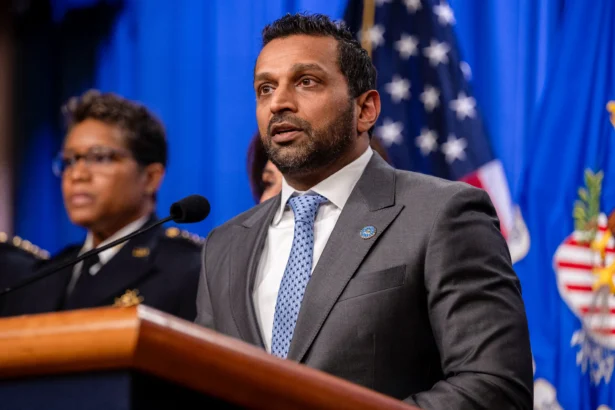
FBI Director Kash Patel said the operation demonstrates his agency’s commitment to improving public safety for the tribal communities.
“Last year’s Operation Not Forgotten was a tremendous success in delivering the resources long needed in Indian Country,” Patel stated in the release.
“This FBI will continue working together with our Tribal and federal partners to again surge personnel to block violent actors who think they can act lawlessly within these revered communities.”
Investigative, intelligence, and victim service support personnel will be temporarily assigned to 11 FBI field offices in Indian territory.
These include Albuquerque, Billings, Detroit, Denver, Jackson, Las Vegas, Minneapolis, Oklahoma City, Omaha, Portland, and Phoenix.
Working with tribal law enforcement agencies, the Bureau of Indian Affairs Missing and Murdered Unit, and U.S. Attorneys' Offices.
According to its website, the FBI has special jurisdiction to investigate crimes committed on about 200 reservations nationwide.
The FBI’s jurisdiction is set by the General Crimes Act and the Major Crimes Act, in addition to other federal laws.
According to the website, three conditions must be met for the FBI to investigate an alleged crime on a reservation.
The investigation must be based on a crime over which the FBI has jurisdiction, the crime must have occurred on a reservation where the FBI has jurisdiction, and the subject or victim must be American Indian or Alaska Native.
In addition, the Violence Against Women Act empowers tribes to address violence against Indigenous women and girls and gives them greater authority to incarcerate the accused.