


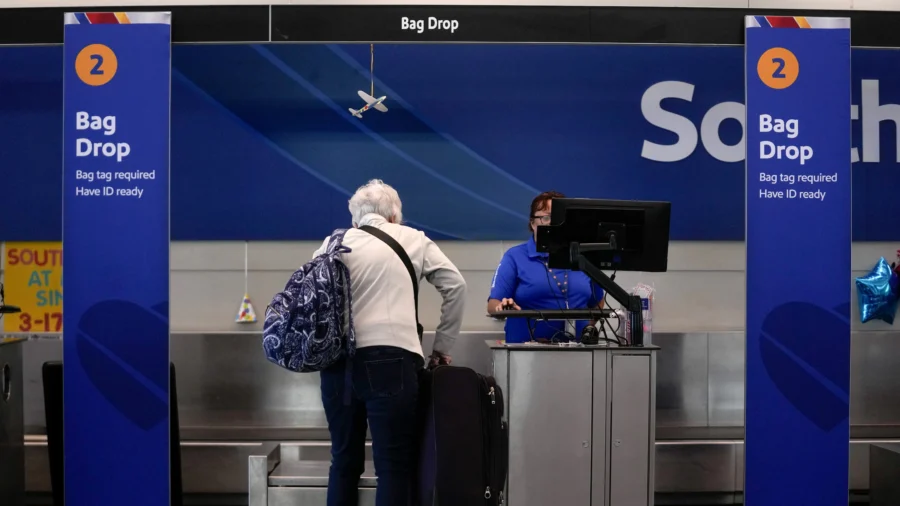
If you're flying soon, you’ll want to double-check what’s in your luggage.
Why the Change?
The FAA warns that lithium batteries pose a fire risk when stored in the cargo. These batteries can overheat and enter thermal runaway—a rapid, uncontrollable increase in temperature that can result in fire or even explosion. Triggers include exposure to water, being overcharged, damaged, or simply malfunctioning.Flight crews are trained to respond to lithium battery fires in the cabin if a device smokes or overheats, this is why planes urge passengers to notify crew members immediately.
The updated rules apply to spare lithium-ion and lithium-metal batteries, power banks and external battery packs, battery-charging cell phone cases, as almost all portable chargers and power banks use lithium batteries. Lithium batteries are also in e-cigarettes and vape pens, cellphones, cameras, and tablets.
All of these must now be stored in carry-on luggage only, not checked bags.
Damaged batteries or devices containing damaged batteries are also prohibited unless the battery can be safely removed before boarding.
Even well-intentioned travelers can run into issues at airport security if they’re not aware of certain restrictions. Scissors, for example, can be a problem. You might pack a pair in your carry-on to remove clothing tags, but unless the blades are shorter than 4 inches, they are not allowed and will likely get confiscated.
Liquids also apply to most people who travel. The TSA enforces the 3-1-1 rule: all liquids must be in containers of 3.4 ounces (100 milliliters) or less, and all containers must fit within a single quart-sized bag. This applies to toiletries such as shampoo, lotion, and toothpaste.
Passengers may pack one container up to 4 ounces (118 milliliters) in checked baggage only. These items are not allowed in carry-on luggage under TSA rules.
Travelers are advised to keep all battery-powered devices easily accessible in their carry-on, in case additional screening is required. Always check with your airline for any carrier-specific restrictions, as some may have even stricter policies.
Knowing what’s allowed could save you from delays and having your items confiscated.