

“Warrant-proof encryption has created lawless digital spaces where bad actors are sexually exploiting children, conducting human trafficking, sharing terrorist propaganda, and distributing drugs like deadly fentanyl while evading law enforcement detection,” the FBI said.
Currently, a person’s smartphone data can be end-to-end encrypted under Advanced Data Protection, which prevents Apple from accessing it even under a court order.
The FBI says it is “a strong advocate for the wide and consistent use of responsibly managed encryption—encryption that providers can decrypt and provide to law enforcement when served with a legal order.”
Apple did not respond to requests for comment by the time of publication.
What’s at stake isn’t just personal data, according to retired U.S. Drug Enforcement Administration (DEA) Supervisory Special Agent Brian Townsend, who is concerned about the safety of American communities.
“We already tolerate pervasive surveillance by private companies we pay every month through phone bills and internet service, and yet we resist accountable, lawful access by law enforcement when lives are at stake,” Townsend told NTD. “That inconsistency undermines both justice and public safety.”
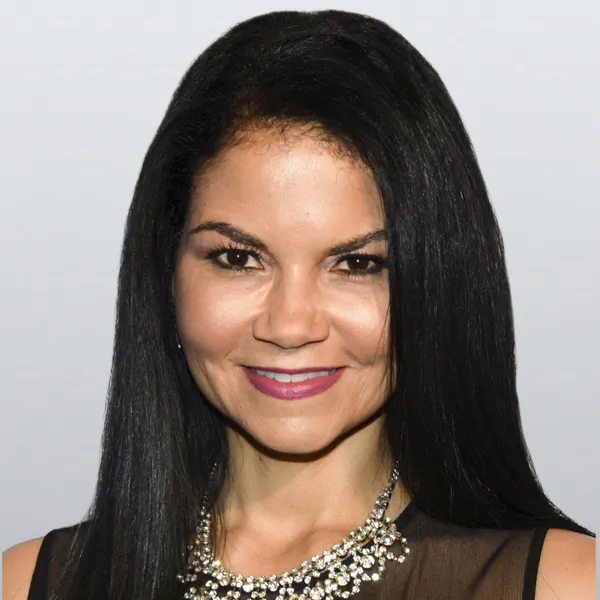
Former FBI senior forensic examiner and current owner of Silicon Prairie Cyber Services Stacy Eldridge has a different point of view. She believes that even the user data of criminals is worth protecting in order to uphold the U.S. Constitution.
"Civil liberties apply to criminal behavior," Eldridge told NTD. "If there were no civil liberties, then due process would be dead. Without due process, innocent until proven guilty would disappear from the United States."